Five Ways GLP-1 Drugs Are Reshaping Supplement Demand
GLP-1 drug users are driving supplement demand for nutrient gaps, digestion, muscle, beauty and weight maintenance after stopping treatment.

food news. food policy. food tech.
food news. food policy. food tech.
GLP-1 drug users are driving supplement demand for nutrient gaps, digestion, muscle, beauty and weight maintenance after stopping treatment.
Starting October 12, DKSH distributes GNT's EXBERRY colors in Vietnam, with technical support for beverages, confectionery and dairy.
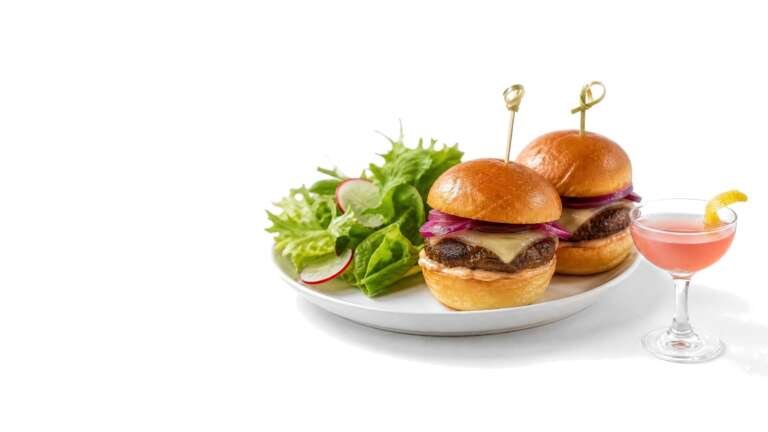
A Lumina Intelligence report finds GLP-1 users pick restaurants for health, want smaller high-protein portions, and are swapping beer for wine and lighter cocktails.
Patent applications for high-protein foods rose to 5,626 in the year to June 30, up 80% from five years earlier, according to IP firm Mathys & Squire.
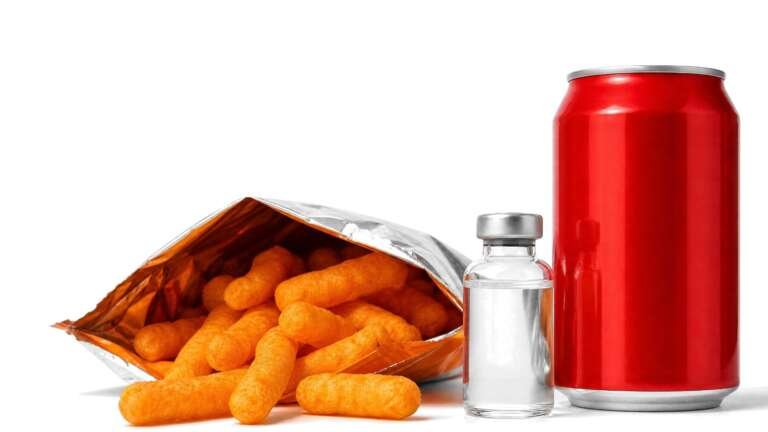
A study in Science of 171 young adults tied an inflammatory gut microbiome, associated with diets higher in fat or processed food additives, to fever after mRNA vaccination.
A new FDA final rule lets makers of 139 standardized foods use salt substitutes. It is voluntary and takes effect 60 days after October 13 publication.

Natural color maker Oterra will use HowGood's sustainability data to give customers product carbon footprints for selected colors, to support Scope 3 reporting.
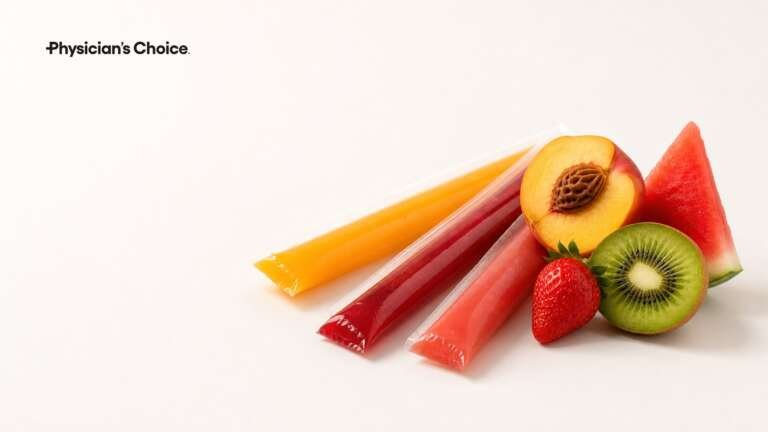
Physician's Choice Fiber Jelly packs 6 grams of prebiotic fiber per stick, with no artificial dyes, and reaches 4,501 Walmart stores on October 24.

New research links GLP-1 drugs to hair loss, prescriptions for children aged 8 to 11 have risen 310-fold, and the WHO advises against the drugs for kids under 10.
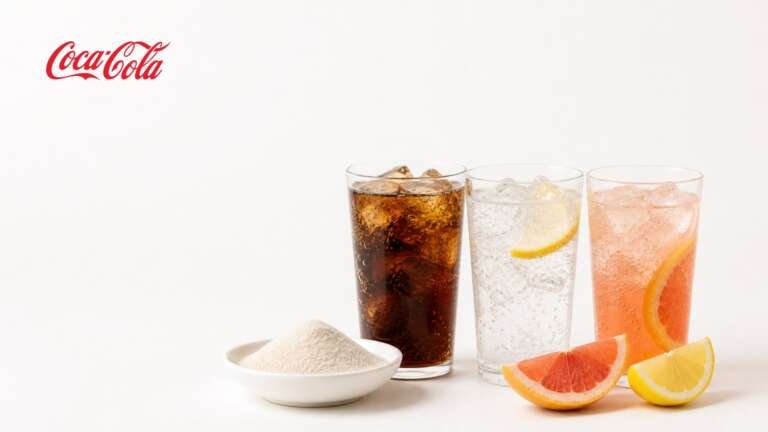
Coca-Cola is piloting versions of Coca-Cola Zero Sugar, Sprite Zero Sugar and Fresca with 6 grams of prebiotic fiber, starting in late October.
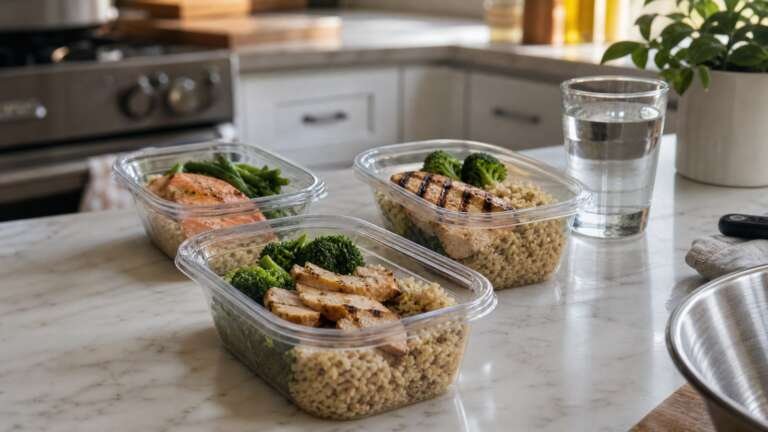
In a 39-person pilot study, people who stopped GLP-1 drugs regained about 3.6% of body weight with meals or an app, versus 10.75% without support.
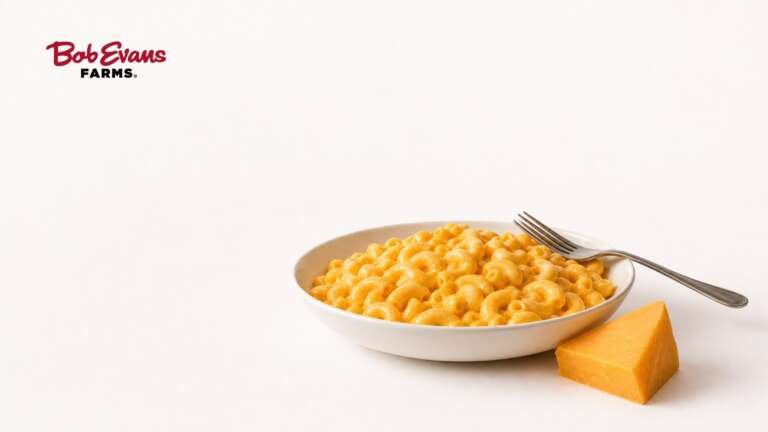
Bob Evans has added a Protein Macaroni & Cheese to its refrigerated sides, with 18 grams of protein per serving from milk, cheese and whey protein.