A House Bill Would Ban Every Batch-Certified Synthetic Dye

Two House bills from Rep. Nancy Mace would ban certified color additives and three preservatives two years after enactment. FDA's voluntary dye target is the end of 2027.
food news. food policy. food tech.
food news. food policy. food tech.
The Future of Food · Newsroom
Food news, food policy and food tech. What is changing on the label, in the lab and in the law, and what it means for the people who make our food.
534 stories
Two House bills from Rep. Nancy Mace would ban certified color additives and three preservatives two years after enactment. FDA's voluntary dye target is the end of 2027.
USDA approved four state projects that remove sugary drinks, and in three states candy, from SNAP purchases, effective Nov. 1, 2026.

Anheuser-Busch CEO Brendan Whitworth is leaving at the end of November to run Equinox. AB InBev CEO Michel Doukeris will lead the North American business until a new leader is named.
UNC and Harvard Law School launched a Food Policy Accelerator to help governments write ultra-processed food policy, as the federal definition sits unreleased at the White House.
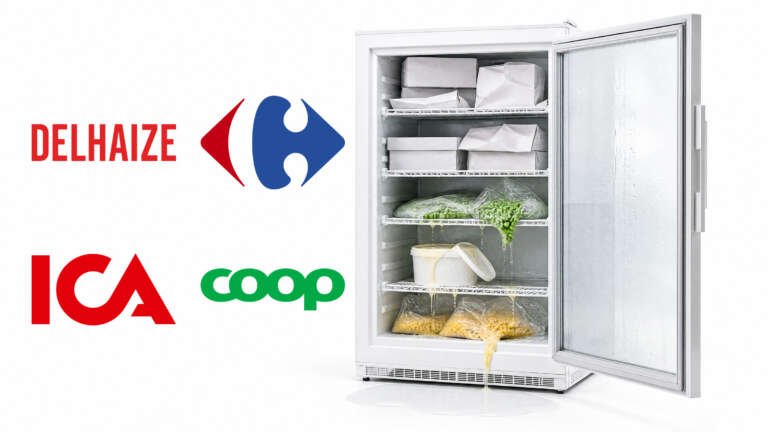
Three weeks after a similar attack in France, new attacks on supermarket refrigeration warmed fridges and freezers from Sweden to Belgium, forcing stores to throw food away, Reuters reported.
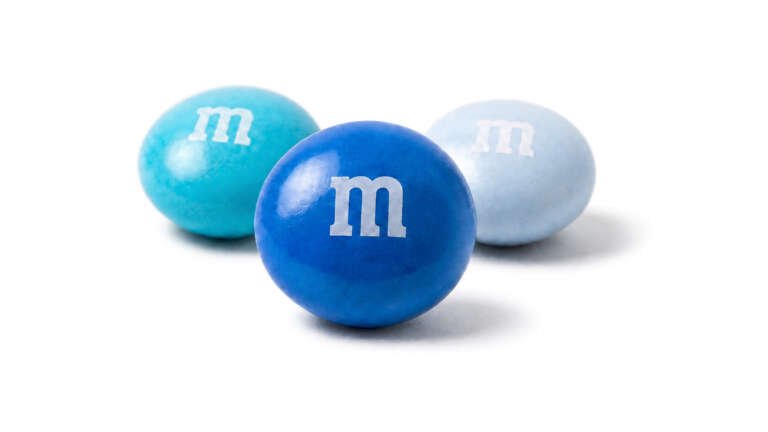
Blue remains one of the hardest colors to replace with natural sources. Mars began selling M&M's without artificial dyes with blue and brown left out for now, and FDA is also reviewing a petition to widen the use of gardenia blue.
Mondelēz has filed a High Court claim against Catherine's Originals, alleging its O'bar infringes Toblerone's trademark. The founder rejects the claim and plans to defend it.
Oatly's third-quarter revenue rose 9.1%, but fuel and freight costs cut its full-year profit outlook. It plans a U.S. fiber launch in January and U.S. price increases next year.
Numerator data shows households that stopped GLP-1 drugs cut fast-food spending more than active users did, while some big grocers did better with former users.
Mexico removed Red 3 from its permitted additives in May, with 24 months to reformulate authorized uses. A new agreement replacing its 2012 additive rules is due to take effect this month, with numeric limits on more colorants.
Kennedy adviser Calley Means resigned Oct. 22. With the midterms on Tuesday, the white paper remains under review, and both sides have written to the White House budget office.
The draft guidance covers purees, cereals, yogurts and meats for children under two. FDA estimates the biggest exposure cuts would come from carrots and from fruits, vegetables and mixed foods.