WK Kellogg Bets on Less Sugar, More Fiber and School Cereals as Artificial Colors Set to Exit by Year-End
The Froot Loops maker is cutting sugar, adding protein and fiber and launching K-12 cereals, and says it still expects to remove artificial colors from all its cereals by the end of 2026, a year early.

Cereal sales are slipping, and WK Kellogg Co is answering with nutrition. The maker of Froot Loops, Frosted Flakes and Kashi is cutting sugar, adding protein and fiber and launching new school cereals, and it says it remains on track to finish its switch away from artificial colors a year ahead of schedule.
TLDR
- WK Kellogg expects to remove artificial colors from all its cereals by the end of 2026, a year ahead of its original end-of-2027 goal.
- Frosted Flakes Reduced Sugar has 25% less sugar than the original, at 9 grams per serving.
- Two new school cereals, Tony’s Power Pops and Kellogg’s Super Stars, are designed to meet USDA K-12 nutrition requirements.
- U.S. cereal dollar sales fell 1.1% in the 52 weeks ending April 19, according to Circana data.
The Color Switch
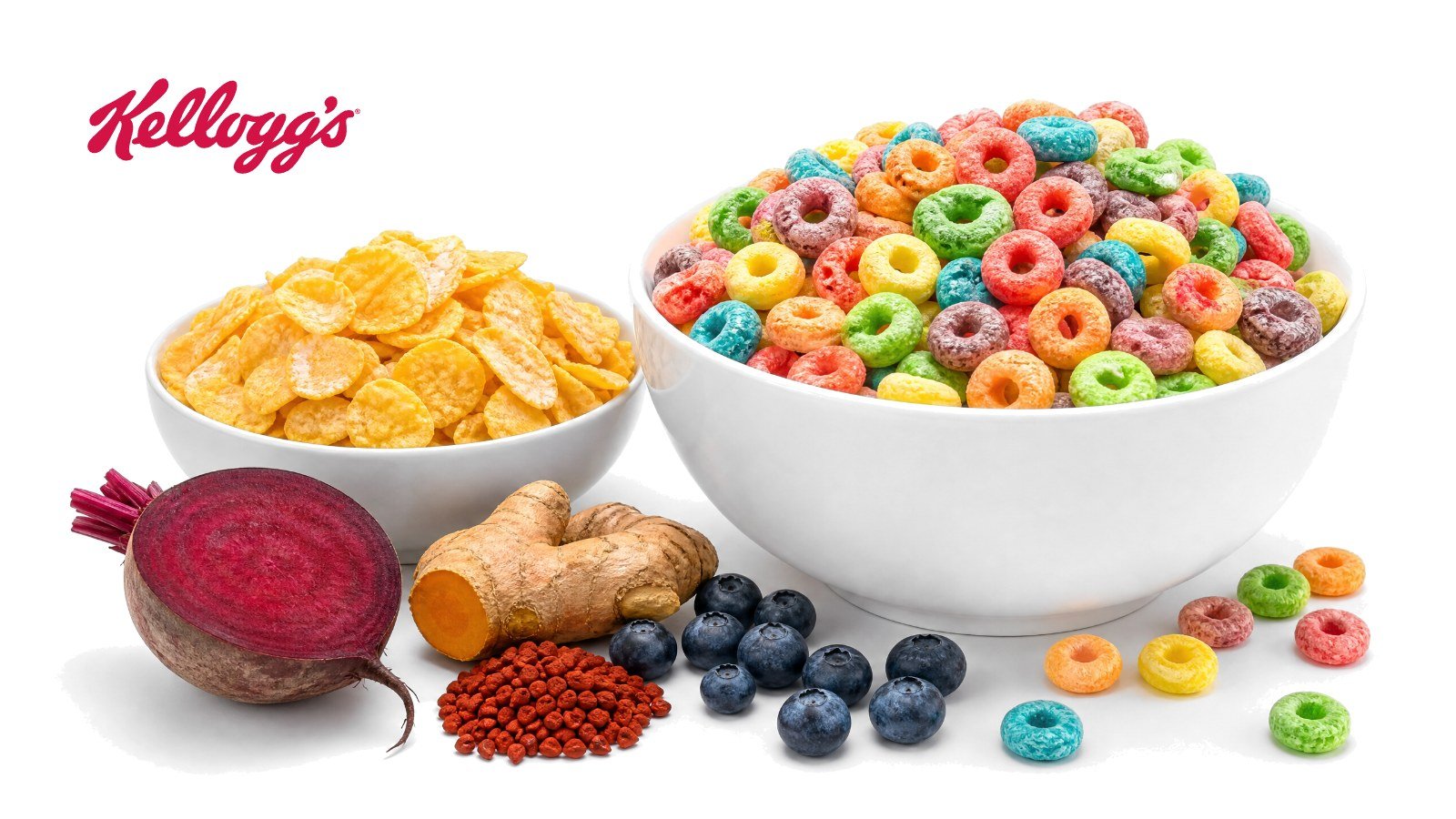
WK Kellogg had committed in 2025 to eliminate synthetic colors by the end of 2027, and later signed a legally binding agreement with the Texas attorney general’s office to remove artificial dyes from Froot Loops and other cereals by that date. In August, the company said it would finish nearly 12 months early, Food Dive reported. At the time, Froot Loops, Apple Jacks and a handful of limited-time products, about 15% of the portfolio, still used synthetic dyes.
The replacements come from fruit and vegetable juices and other plant-based ingredients, including turmeric for yellow and annatto for orange. For Froot Loops without artificial colors, the company tested hundreds of ingredients and recipes and validated them with thousands of consumers, FoodNavigator reported. Chief growth officer Doug VanDeVelde told Food Dive in August that the switch was a “complicated and challenging process” that required a “significant investment” in its manufacturing facilities.
Less Sugar, More Protein and Fiber
- Frosted Flakes Reduced Sugar: 9 grams of sugar per serving, 25% less than the original.
- Kellogg’s Raisin Bran Protein: a “good source of protein” and an “excellent” source of fiber and iron, with single-digit added sugar per serving.
- Kashi GO: 10 grams of protein and 10 grams of fiber per serving.
The company also uses an on-pack guide called SPOONS, short for Simple ingredients, Protein, Outstanding fiber, Other nutritious foods, Nutrients you need, and Single-digit sugars. “Cereal has strong fundamentals: It’s affordable, convenient, familiar and nutritious,” said Sarah Ludmer, a registered dietitian and the company’s chief wellbeing and sustainable business officer.
Into the Lunchroom
Tony’s Power Pops and Kellogg’s Super Stars launch this fall for schools. Super Stars comes in ready-to-serve bowls, cups and 1-ounce pouches in four flavors and has twice the fiber of most other K-12 cereals, according to FoodNavigator. Ludmer said operator response has been “overwhelmingly positive.” Kashi is the fastest-growing cereal in foodservice, according to Circana.
Why It Matters
Froot Loops became a symbol of the synthetic dye fight, with a state legal agreement aimed at its cereals. If WK Kellogg finishes on schedule, one of the most recognizable dyed products in the cereal aisle will be on natural colors well before FDA’s end-of-2027 target, and pairing the switch with sugar cuts and school products shows how big brands are trying to win back shoppers and lunchrooms at the same time.
Sources: FoodNavigator; Food Dive.