The EU Just Bet €10M on Mycelium Steak
Adamo Foods wins a €10M Horizon Europe grant to scale whole-cut mycelium meat using food industry byproducts as feedstock.

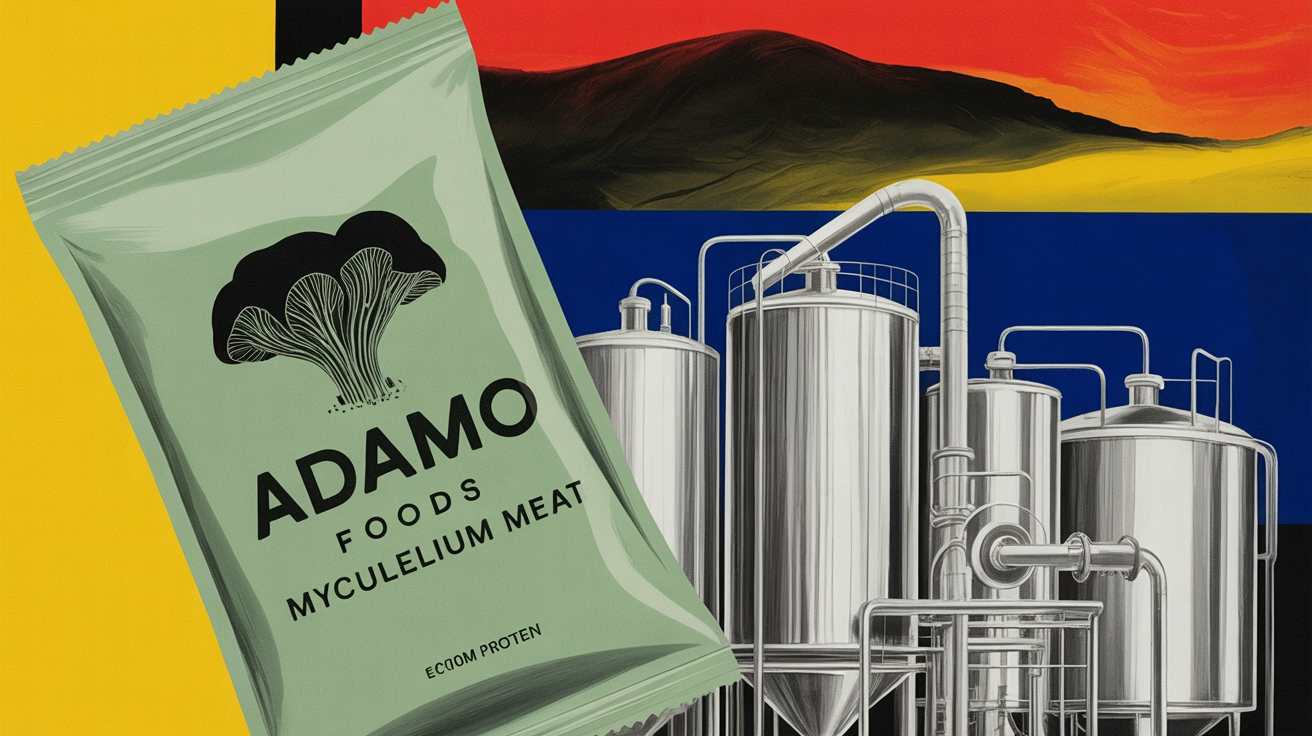
The EU is putting real money behind fungal protein. UK startup Adamo Foods has secured a €10M ($11.7M) Horizon Europe grant to bring whole-cut mycelium meat from lab to market. This is not a pilot. It is a three-year commercialization push.
TLDR
- Adamo Foods wins €10M EU Horizon Europe grant for mycelium protein.
- Project converts food industry byproducts into whole-cut mycelium meat.
- Three-year timeline targets full commercial launch, not just R&D.
- Grant signals EU regulatory and financial confidence in mycelium fermentation.
- Whole-cut format sets Adamo apart from minced or extruded alt-protein rivals.
Horizon Europe Backs Whole-Cut Mycelium Meat at Scale
Adamo Foods, a UK-based startup, has landed a €10M grant from the EU’s Horizon Europe programme. The funding backs a three-year project to convert food industry sidestreams into whole-cut mycelium meat via fermentation. Sidestreams, the byproducts of existing food manufacturing, become the feedstock. That circular input model cuts raw material costs and reduces upstream waste simultaneously.
Significant.
Mycelium fermentation produces a fibrous, structured protein matrix. That natural texture is critical. Most alt-protein manufacturers rely on extrusion or binding agents to mimic whole-cut meat. Adamo’s mycelium-first approach targets the format directly, without reconstruction.
Why the Whole-Cut Format Changes the Supplier Equation
For food-industry operators, the whole-cut mycelium meat category has long been the hardest to crack. Burgers and nuggets scaled first because they tolerate reformulation. Steaks and fillets demand structural integrity that processing typically destroys. Adamo’s mycelium scaffold grows that structure natively.
Additionally, the sidestream feedstock model has direct supply-chain implications. Manufacturers generating grain, brewery, or produce byproducts become potential upstream partners. That creates procurement incentives beyond the consumer-facing sustainability story.
The EU grant also carries regulatory signal value. Horizon Europe funding requires scientific and commercial due diligence. Approval implies the project cleared meaningful scrutiny. Mycelium protein has faced a slower EU novel food approval path than some alternative proteins. Sustained public investment may accelerate that timeline.
Adamo now has three years and €10M to prove the model at commercial scale. Watch this.
Source: Green Queen. https://www.greenqueen.com.hk/adamo-foods-eu-horizon-europe-grant-funding-mycelium-meat-steak/