Five Ways GLP-1 Drugs Are Reshaping the Supplement Aisle
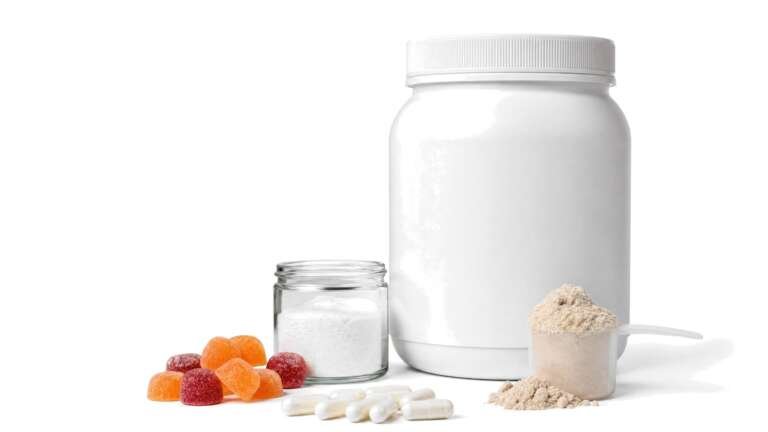
Nutrient gaps, gut side effects, muscle loss, hair and nail changes and weight regain are driving a new category of GLP-1 companion supplements.

food news. food policy. food tech.
food news. food policy. food tech.
Nutrient gaps, gut side effects, muscle loss, hair and nail changes and weight regain are driving a new category of GLP-1 companion supplements.

GLP-1 drug users are driving supplement demand for nutrient gaps, digestion, muscle, beauty and weight maintenance after stopping treatment.

A Lumina Intelligence report finds GLP-1 users pick restaurants for health, want smaller high-protein portions, and are swapping beer for wine and lighter cocktails.
PepsiCo now expects 1% to 2% core earnings growth for 2026, down from the low end of 4% to 6%. CEO Ramon Laguarta says more structural cost cuts are coming.

FSSAI has issued show-cause notices over Celevida GLP+, flagging claims about preserving lean muscle during GLP-1 therapy. Amazon, Flipkart and Netmeds were also served.

New research links GLP-1 drugs to hair loss, prescriptions for children aged 8 to 11 have risen 310-fold, and the WHO advises against the drugs for kids under 10.

In a 39-person pilot study, people who stopped GLP-1 drugs regained about 3.6% of body weight with meals or an app, versus 10.75% without support.

The Giant Company is running one-hour tours at six Pennsylvania stores to help GLP-1 users shop for protein-rich, high-fiber foods.
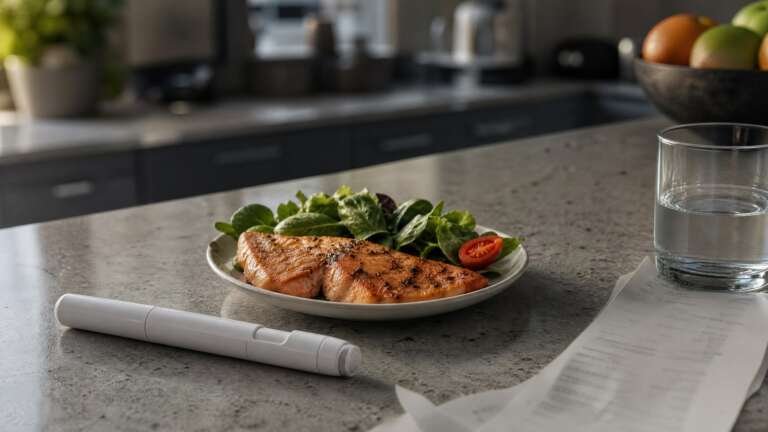
With one-year GLP-1 discontinuation rates of 36% to 65%, analysts see a new market in helping people keep weight off after the drugs.
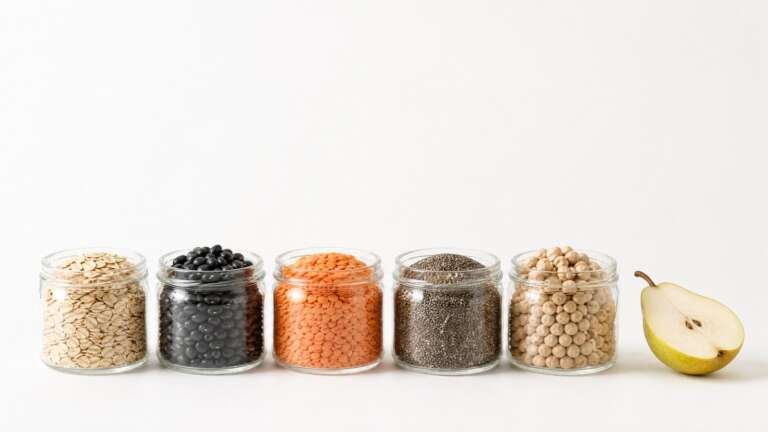
Gut health experts back the fibermaxxing trend but warn that jumping from little fiber to a lot can bring bloating and discomfort.
BODi CEO Carl Daikeler says active nutrition simplicity is the strategy, even as AI, GLP-1 drugs, and longevity trends reshape consumer expectations.

Costco's Q3 results show Costco protein private label is no accident: GLP-1 drug adoption is actively reshaping club retail's product strategy.