Costco Is Betting Big on Protein. Here’s What That Means.
Costco's Q3 results show Costco protein private label is no accident: GLP-1 drug adoption is actively reshaping club retail's product strategy.

Costco is not waiting for the protein trend to peak. The club retailer posted strong third-quarter earnings and credited, in part, a deliberate push into protein-focused private label items. GLP-1 drug adoption is changing what members put in their carts, and Costco is moving fast to meet them.
TLDR
- Costco’s Q3 results were strong, with protein sales cited as a driver.
- GLP-1 drug popularity is reshaping consumer demand inside club retail.
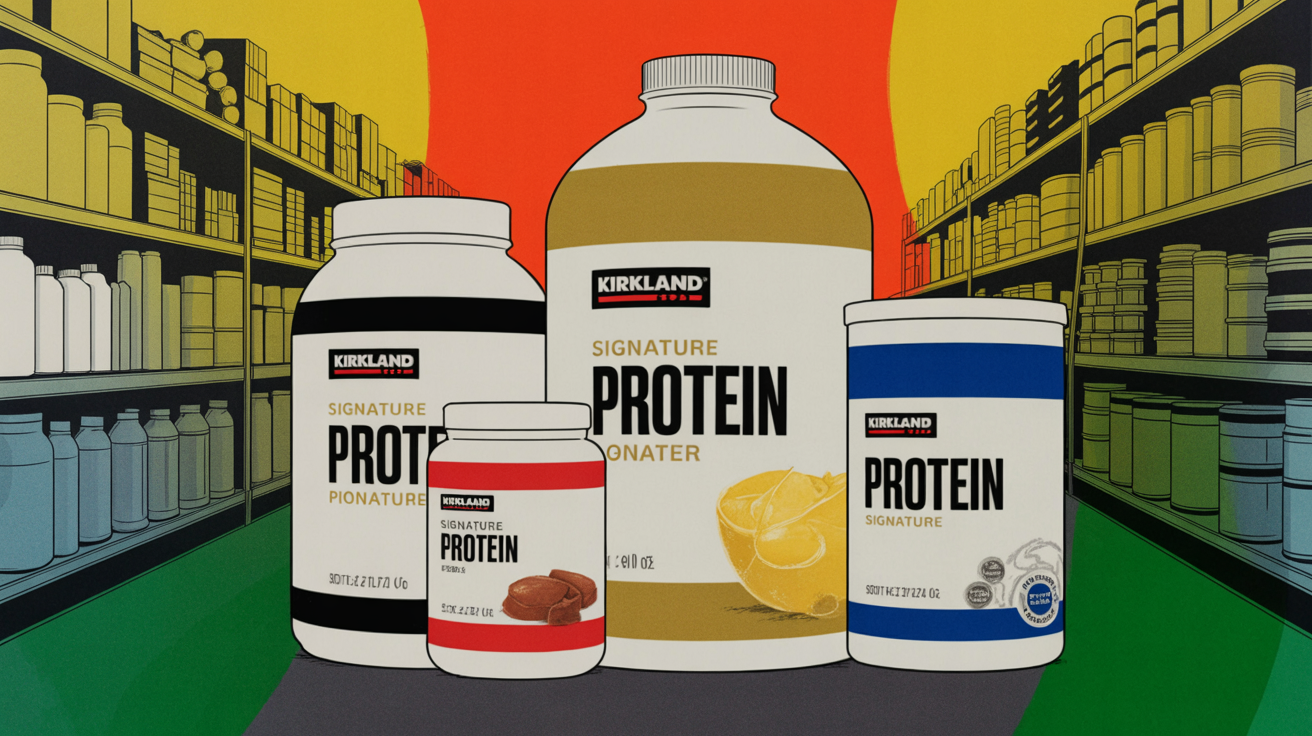
- Kirkland Signature protein SKUs are expanding to capture the shift.
- Suppliers ignoring GLP-1-linked demand signals risk losing shelf position.
- Clean-label protein formats stand to benefit most from this repositioning.
Costco Protein Private Label Tracks the GLP-1 Shift
Grocery Dive reports that Costco’s third-quarter 2026 earnings reflected meaningful momentum in food and grocery. The retailer specifically called out protein as a growth category. That attribution matters: it signals intentional merchandising, not passive category performance.
Costco launched new Kirkland Signature protein items to capture demand tied to GLP-1 drug adoption. GLP-1 users typically eat less volume but prioritize protein density per meal. That behavioral shift is now large enough to move the needle at Costco’s scale.
However, this is not simply a trend play. Costco is structuring private label to own the category margin. Suppliers selling commodity protein formats into club retail face direct competition from Kirkland now.
What Operators and Suppliers Should Watch
Additionally, the GLP-1 signal is accelerating demand for cleaner, higher-protein SKUs across formats: bars, ready-to-eat meals, and refrigerated snacks. Costco’s move validates what thefutureoffood.org has tracked for over a year: protein is converging with clean-label as a single purchasing criterion, not two separate ones.
Significant. Retailers that move early on private label protein lock in margin and loyalty simultaneously. Brands that do not reformulate toward higher protein density or cleaner ingredient decks risk displacement, not just at Costco but across the club channel.
In short, Costco’s Q3 results are a data point that operators cannot afford to treat as isolated. The GLP-1 cohort is growing, its purchasing behavior is distinct, and Costco is already building infrastructure around it. Watch this.
Source: Grocery Dive. https://www.grocerydive.com/news/costco-earnings-third-quarter-2026-grocery-food-protein/821550/