Blue Is Still the Hardest Color to Replace, and Mars Left It Out of Its New M&M’s
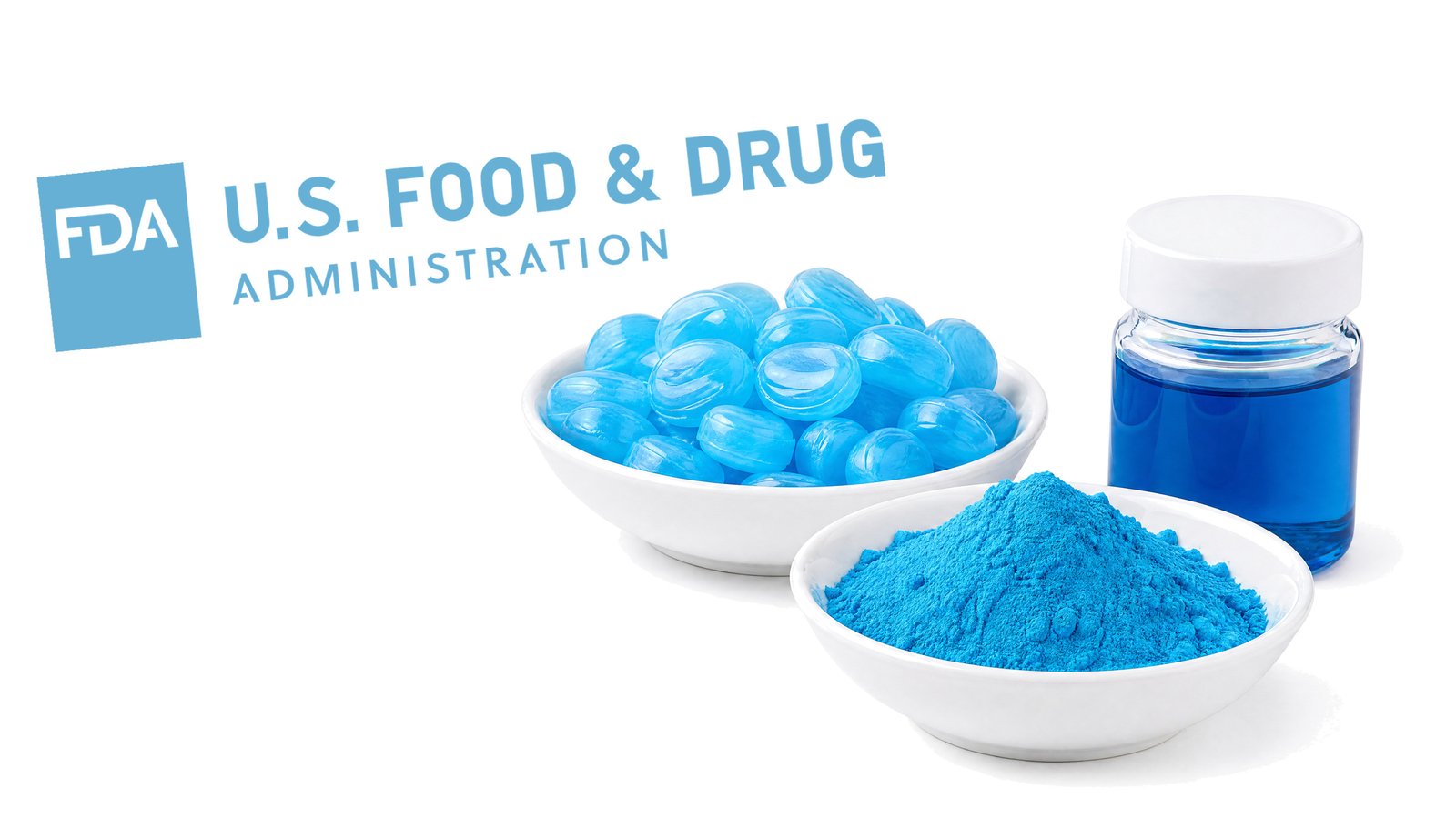
Blue remains one of the hardest colors to replace with natural sources. Mars began selling M&M's without artificial dyes with blue and brown left out for now, and FDA is also reviewing a petition to widen the use of gardenia blue.

Blue remains one of the hardest colors to replace with natural sources. Mars began selling M&M’s without artificial dyes in August, with blue and brown left out for now. The Food and Drug Administration (FDA) is also reviewing a petition to widen the use of gardenia blue. The notice names no brand.
TLDR
- FoodNavigator reported Nov. 2 that natural blue sources often give softer aqua or teal shades, not bright blue.
- Mars began selling M&M’s without artificial dyes on Amazon in August, ABC News reported. Blue and brown were left out for now, and Mars expects them by 2028, according to FoodNavigator and NewsNation.
- A petition FDA filed on Aug. 4 would add 20 uses for gardenia (genipin) blue, from carbonated drinks to cereal. FDA listed it as under review on Oct. 28.
- FDA’s voluntary target for removing the six remaining synthetic dyes is the end of 2027.
Why Blue Is Hard
The biggest challenge is matching the performance of synthetic dyes, Dr. Brendan Niemira told FoodNavigator. He is chief science and technology officer at the Institute of Food Technologists. The outlet reported that blue is among the toughest colors, with natural sources often landing on softer aqua or teal shades.
Natural colors can also be more sensitive to heat, light, oxygen and pH. FoodNavigator said they are typically less concentrated than synthetic dyes, so manufacturers need more raw material. They also often cost more.
What Mars and Others Have Done
Mars pledged in August 2025 to offer versions of M&M’s, Skittles and Starburst without artificial dyes. The new M&M’s went on sale on Amazon on Aug. 13, 2026. ABC News reported that the colors include beet juice for red and turmeric for yellow.
Mars is using spirulina to help create blue, ABC News reported, but Claire Hewitt, its senior director of ingredient transformation, said it is hard to work with at large scale. She said the colors are not going away.
FoodNavigator, citing The Wall Street Journal, reported in June that blue and brown would be missing because they could not be replicated naturally for now. A Mars spokesperson told Nexstar that both are expected without artificial dyes by 2028, NewsNation reported. FDA’s pledge tracker lists Mars’ commitment to offer options without certified colors as complete.
Nestlé’s global portfolio will be free of artificial colors by the end of 2026, technology chief Stefan Palzer told Reuters, FoodNavigator reported in July. He said the work took years of research and shelf-life testing. FDA’s tracker lists Kraft Heinz as in progress on its plan for Crystal Light, Kool-Aid, MiO, Jell-O and Jet-Puffed. That plan runs to the end of 2027.
The Gardenia Blue Petition
FDA approved gardenia (genipin) blue, which comes from the fruit of the gardenia, in July 2025. The approved uses are sports drinks, flavored or enhanced non-carbonated water, fruit drinks and ades, ready-to-drink teas, and hard and soft candy.
FDA filed a new petition from the Gardenia Blue Interest Group on Aug. 4, 2026. It lists 20 new uses, including carbonated drinks, breakfast cereals, chewing gum, sugar coating, icing, ice cream, flavored milk, yogurt and snack foods. It would also lower the arsenic specification from 2 parts per million to 1. FDA’s petition list dated Oct. 28 shows it under review. A filing is not an approval, and the notice names no brand that would use the color.
FDA’s tracker also lists galdieria extract blue and butterfly pea flower extract among the natural colors it has approved.
Why It Matters
FDA’s tracker shows the Consumer Brands Association encouraging food makers to stop manufacturing with certified colors by Dec. 31, 2027. FoodNavigator reported that natural and artificial colors will likely coexist during the transition. It also said shoppers focused on clean labels may come to accept softer shades. For products built around a bright blue, the next step depends on formulation work, scale and, for uses not yet approved, what FDA clears.
Sources: FoodNavigator, Nov. 2; ABC News; FoodNavigator on Mars; NewsNation; FoodNavigator on Nestlé; Federal Register, gardenia blue petition; FDA petition list; FDA pledge tracker; FDA on gardenia blue.