Trader Joe’s Chicken Salad Wraps Linked to E. coli Outbreak That Has Sickened at Least 50
USDA's food safety agency confirmed Trader Joe's Tarragon Chicken Salad Wraps as a common exposure in an E. coli O157:H7 outbreak. The wraps were pulled from shelves in 9 states, with no formal recall.

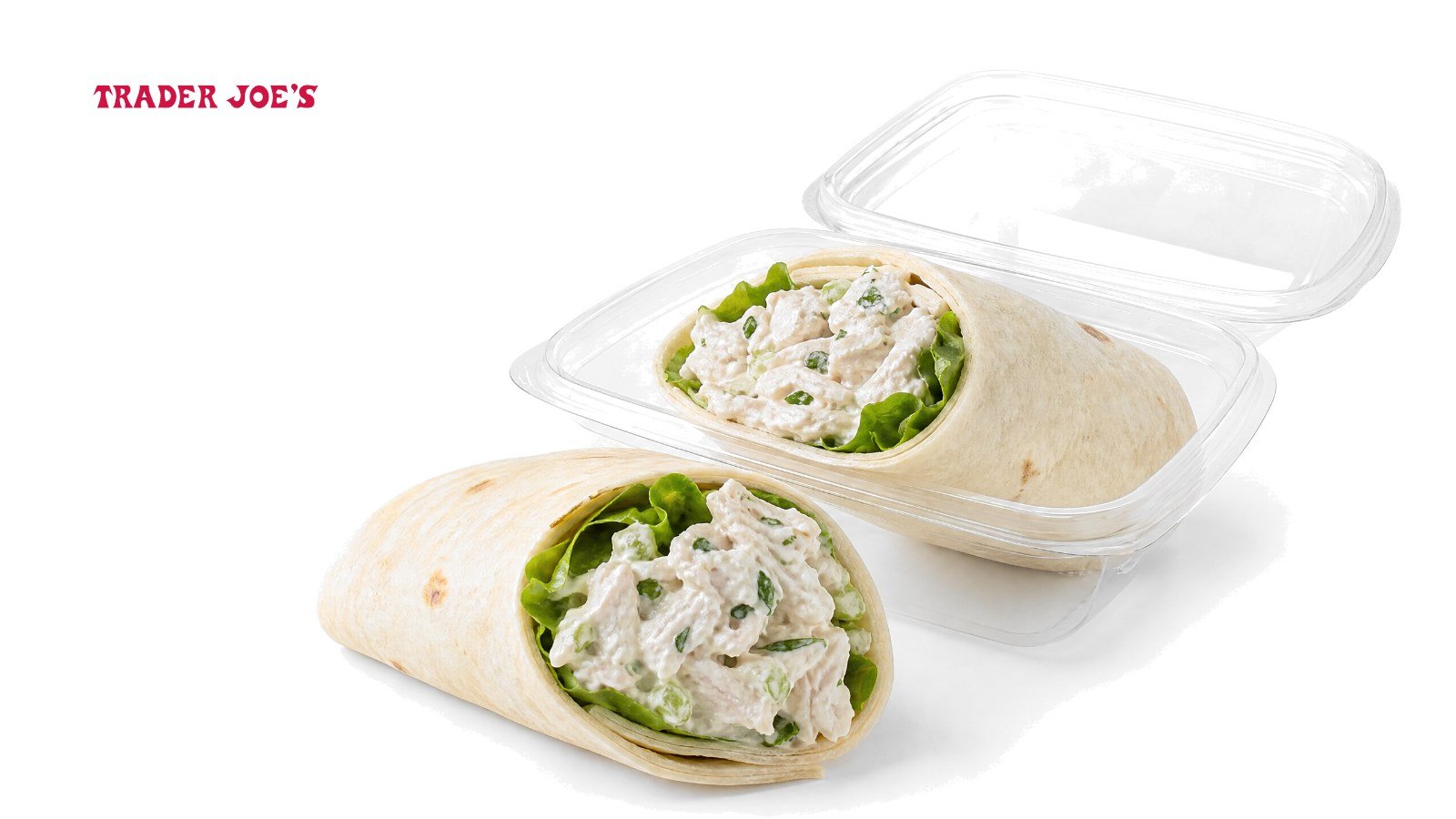
For weeks, federal agencies described the source of an E. coli outbreak only as a “ready-to-eat multi-ingredient wrap with chicken.” Now the product has a name: Trader Joe’s Tarragon Chicken Salad Wraps.
TLDR
- At least 50 people have been sickened by E. coli O157:H7 in the outbreak.
- USDA’s Food Safety and Inspection Service (FSIS) confirmed the link to Trader Joe’s wraps on October 23.
- Trader Joe’s pulled the wraps from shelves in 9 states after FDA flagged a “possible issue” in September. No formal recall has been issued.
- Testing has not yet found the contaminated ingredient, and chicken is considered an unlikely source.
How the Product Was Named
A lawsuit and state investigation records identified Trader Joe’s Tarragon Chicken Salad Wraps as the source, USA Today reported. FSIS then confirmed the link in an email to the paper, saying its investigation “identified ready-to-eat, multi-ingredient chicken wraps from certain Trader Joe’s stores as a common exposure” among people who became sick.
Until then, the public outbreak listings from FDA and FSIS described the product only in general terms and did not name the brand, the manufacturer or the states involved.
What Trader Joe’s Did
Trader Joe’s said it removed the wraps from stores in 9 states after FDA notified it in September of a “possible issue” with them. FSIS said the wraps reported by early cases were “proactively removed from the market by Trader Joe’s before a link to the outbreak was established.” No formal recall has been announced.
The Investigation
FSIS said “extensive product testing” has come back negative so far and that the source ingredient is still under investigation. The agency said chicken is unlikely to be the cause, because it is rarely the source of this strain of E. coli.
Food safety attorney Bill Marler, who represents two women who say they became ill after eating the wraps, argued the agencies should have named the product publicly much sooner. “The public has the right to know,” he said.
Why It Matters
When agencies don’t name a product, shoppers can’t check their refrigerators. This is the second outbreak this fall, after the sprouting seed Salmonella outbreak, in which federal agencies were slow to name a brand or supplier while illnesses climbed. The pressure to name names quickly is growing, and in this case a lawsuit and a reporter’s questions got there first.
Source: USA Today via The Spokesman-Review.