Texas Sues Gerber and Nestle, Alleging Parents Were Misled About Heavy Metals in Baby Food
Texas Attorney General Ken Paxton says Gerber's own tests found arsenic, lead and cadmium in ingredients. Gerber says its products meet FDA limits.

Texas is taking one of America’s best-known baby food brands to court, and the case shows how thin federal limits on heavy metals in baby food still are.
TLDR
- Texas Attorney General Ken Paxton sued Gerber and its parent, Nestle USA, on October 9.
- The suit alleges Gerber’s own testing found arsenic, lead and cadmium in ingredients.
- It seeks more than $10 million in civil penalties under Texas consumer protection law.
- Gerber says its products meet FDA’s heavy metal requirements.
The Allegations
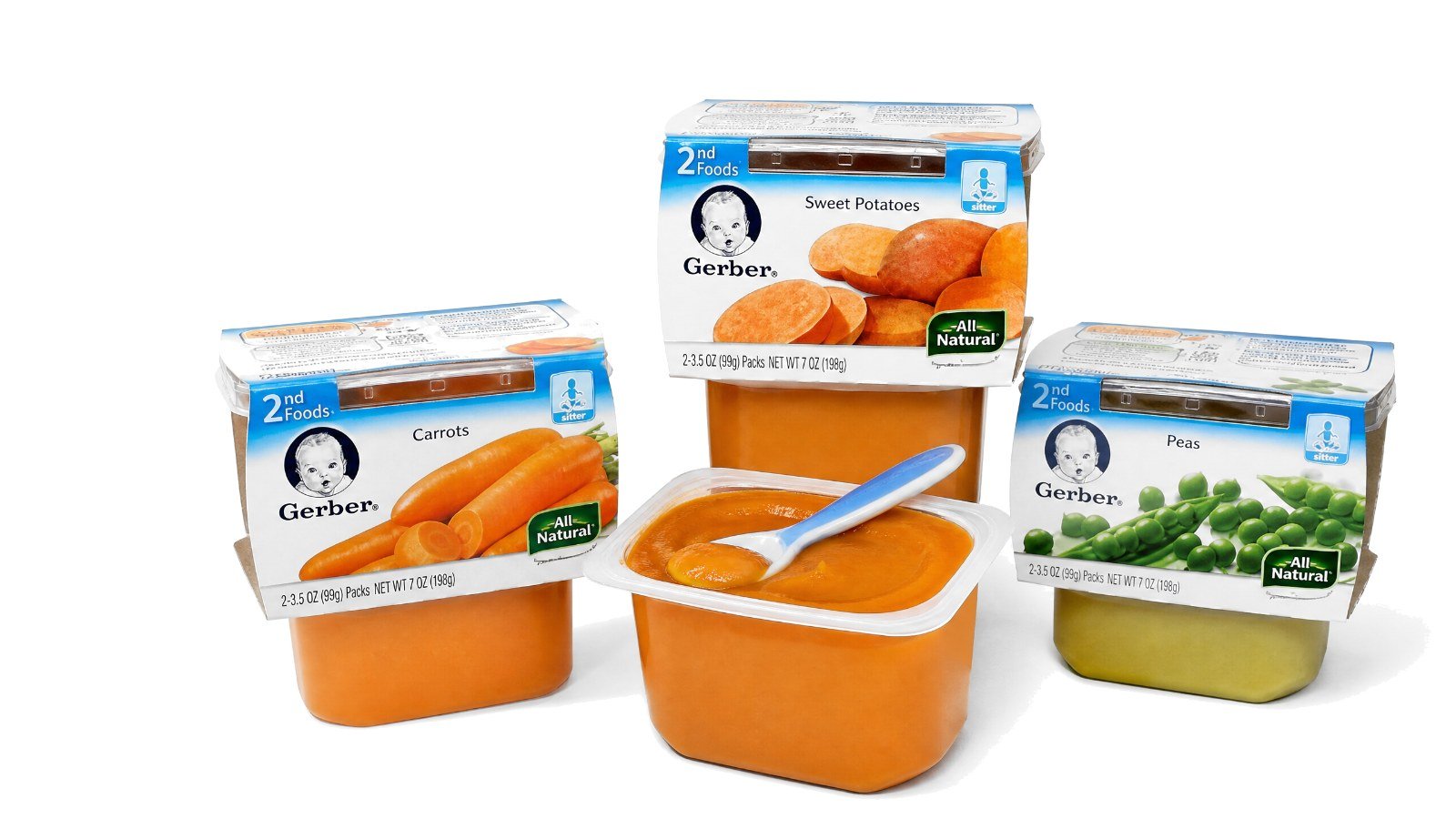
The lawsuit claims Gerber told parents its food was safe and rigorously tested while its internal results showed heavy metals in certain ingredients, FoodNavigator and The Hill reported. Among the claims:
- Arsenic: 67 batches of rice flour used from 2017 to 2019 with more than 90 parts per billion, which the suit compares to the 10 ppb limit for bottled water.
- Lead: sweet potatoes with up to 48 ppb.
- Cadmium: carrots with up to 87 ppb.
- Mercury: the suit alleges Gerber “rarely tested” for it.
The case was brought under the Texas Deceptive Trade Practices Act and filed in Collin County.
What the Rules Actually Say
The comparison matters. FDA’s action level for inorganic arsenic in infant rice cereal is 100 ppb, so the arsenic levels cited do not appear to exceed it, FoodNavigator noted. For lead, FDA’s level for single-ingredient root vegetable baby foods is 20 ppb, well under the 48 ppb alleged in sweet potatoes. FDA has not finalized a level for cadmium and has none for mercury in baby food.
Gerber’s Response
“Every Gerber product undergoes rigorous testing of more than 500 toxins and contaminants,” a spokesperson said, adding that “heavy metals cannot be completely eliminated from the food supply” and that the company works to reduce them through sourcing, supplier requirements and testing.
Why It Matters
Where federal limits are missing or voluntary, states and courts are filling the gap. Paxton previously settled with Plum Organics, which agreed to stronger testing. Virginia, California and Maryland have their own baby food testing rules, and a federal multidistrict case over heavy metals in baby food now has nearly 500 pending actions.
Sources: FoodNavigator; The Hill.