Paris Hilton’s AI Deepfake Warning Has a Food Industry Echo
Paris Hilton's new TikTok docuseries on AI deepfake exploitation spotlights synthetic-media risks that food brands and their spokespeople cannot ignore.

Paris Hilton is not usually a food-industry story. But her new TikTok docuseries on AI deepfake exploitation lands at exactly the moment food brands are rushing to deploy AI in marketing, packaging, and influencer campaigns.
TLDR
- Hilton’s TikTok series exposes how AI deepfakes can destroy reputations fast.
- Any brand using AI-generated likeness faces real legal and trust exposure.
- Synthetic media risks are escalating beyond celebrity targets to everyday faces.
- Food operators using AI influencers should audit consent and disclosure policies now.
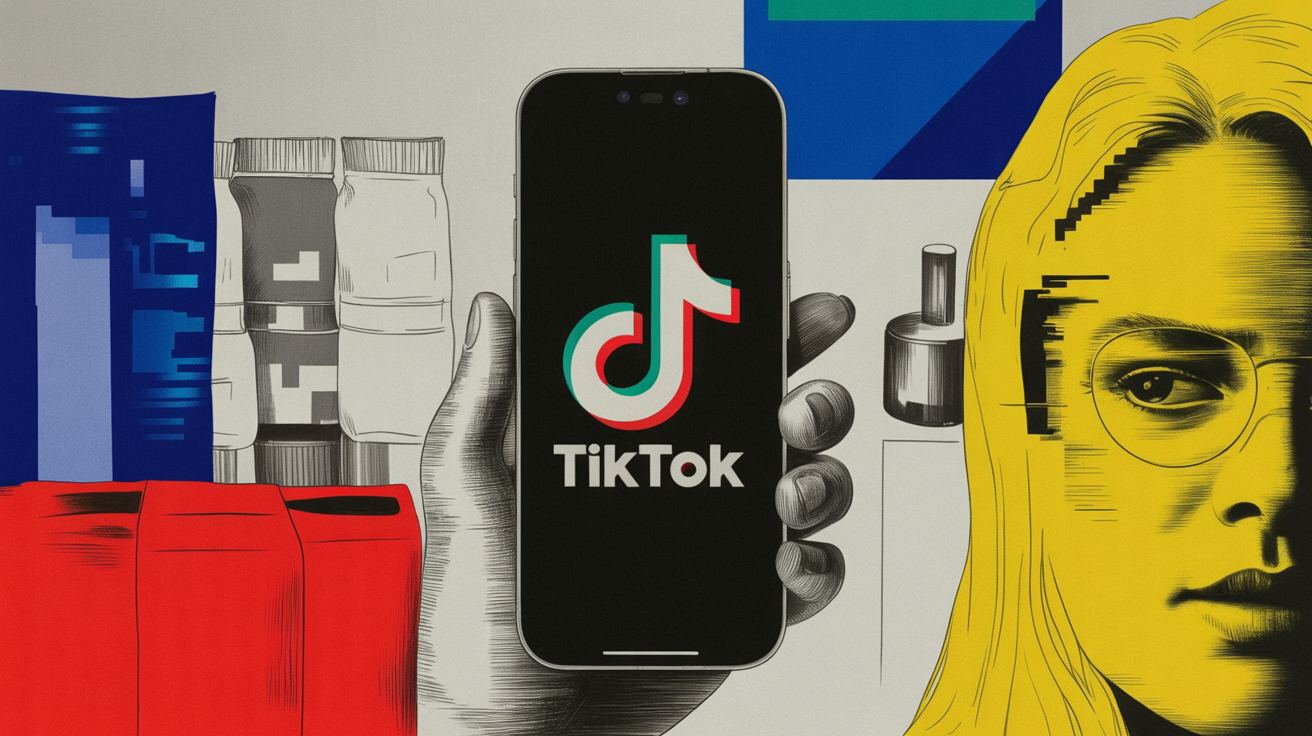
Paris Hilton launched “Searching for Mr. Deepfakes” exclusively on her TikTok channel, according to The Hill. The rapid-fire docuseries targets a younger audience and focuses on explicit, AI-generated images she says could “ruin someone’s life.”
Significant.
AI Deepfake Exploitation Is No Longer a Fringe Problem
Hilton’s framing is direct: “It could happen to literally anyone.” That includes brand ambassadors, employees featured in food-company campaigns, and the growing roster of AI-generated influencers now hawking products across social platforms.
Food manufacturers and retailers have moved aggressively into AI-assisted marketing. However, few have published clear policies on synthetic likeness, consent, or disclosure. That gap is becoming a liability.
The Federal Trade Commission has already signaled scrutiny of deceptive AI-generated endorsements. Brands that cannot demonstrate explicit consent from real people whose likenesses inform AI avatars face regulatory and reputational exposure simultaneously.
What Food Operators Should Take From This
The food industry’s AI deepfake exploitation risk is not hypothetical. A supplier’s regional sales rep, a brand’s on-pack face, or a co-packer’s social media manager could all become targets. Synthetic media tools are cheap and widely available.
Leaders in responsible AI use, including some CPG brands already publishing AI transparency disclosures, are setting a standard others will eventually be forced to match. Operators tracking clean-label and clean-technology commitments increasingly view AI governance as part of the same transparency mandate.
Hilton’s platform reach, particularly among Gen Z consumers, means this conversation is moving fast. Brands that get ahead of synthetic-media policies now avoid being the cautionary example later.
Source: The Hill. https://thehill.com/blogs/in-the-know/5916412-paris-hilton-ai-generated-deepfakes/