Oterra Launches a Radish-Based Red Color to Replace Red 40 in Cereals, Snacks and Baked Goods
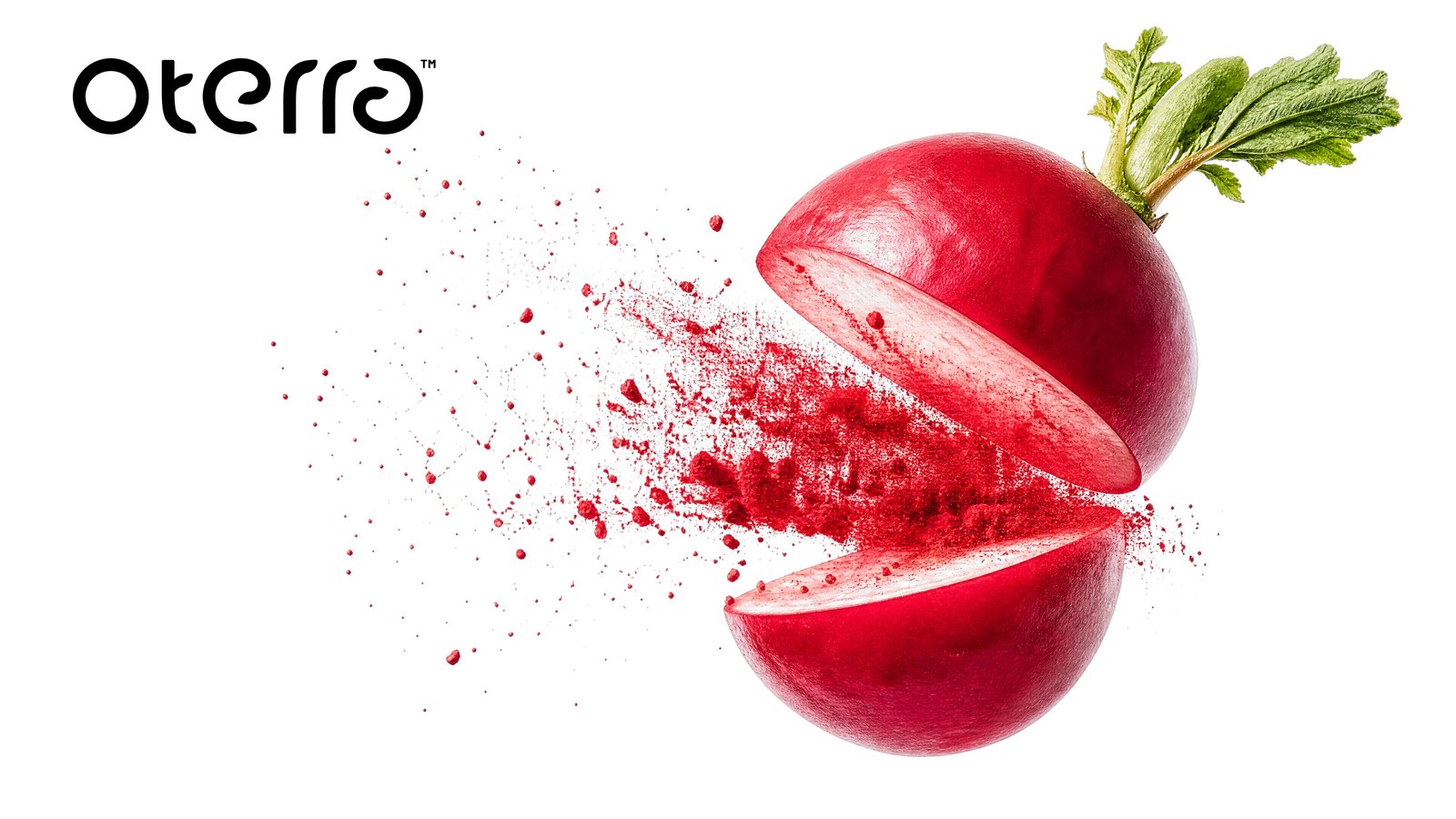
Natural color maker Oterra launched ColorFruit Red Radish Powder, a red food color it positions as a replacement for synthetic Red No. 40 in cereals, snacks, baked goods and frostings. The company says it holds its shade through baking and extrusion.

Natural food color maker Oterra launched a radish-based red color on Nov. 12 that it is positioning as a replacement for Red No. 40, one of the most widely used synthetic dyes in the U.S. The product, ColorFruit Red Radish Powder, is aimed at cereals, snacks, baked goods and frostings, the company said.
TLDR
- Oterra says the radish red stays vivid at neutral pH and holds its color at processing temperatures above 350°F (175°C), conditions where many natural reds fade or shift shade.
- About 70% of U.S. food and beverage launches with synthetic colors contained Red 40 in the 12 months ending October 2026, Oterra said, citing Innova Market Insights.
- The U.S. Food and Drug Administration (FDA) is working with industry toward a voluntary goal of removing Red 40 and five other certified colors from food by the end of 2027.
- Oterra is also developing a fermentation-made Red 40 alternative with biotech company Debut. That color still needs FDA approval.
What Oterra Launched
Oterra announced the color from Mount Pleasant, Wisconsin. The company describes itself as one of the largest natural color suppliers in the world. It was formerly the natural colors business of Chr. Hansen, Food Dive has reported.
According to Oterra, the radish red works through baking and extrusion, the process used to puff cereals and many snacks. The company also claims consistent color through shelf life, high color strength at low use levels and a competitive cost in use. These performance claims come from Oterra. The announcement did not include independent test data.
The announcement did not name any customers, a price or the radish variety used. It also did not say how the color will appear on ingredient labels.
Why Red Is Hard to Replace
Bakery, cereals and snacks are among the largest categories using red colors, Oterra said. Those foods are baked, toasted or extruded at high heat, and many natural reds lose color or change shade under those conditions.
Brands looking to drop Red 40 need more than the right color in the lab. They need a red that stays consistent and holds up in the finished product, Oterra said.
A Second Red in Development
The radish color is separate from a project Oterra announced in May with Debut, a biotech company. That partnership is working on a Red 40 alternative made by precision fermentation, which uses microorganisms such as yeast to produce the pigment. Food Dive reported in May that the companies would work toward FDA approval, with a goal of a commercially scaled product in three years.
The radish powder has launched. The fermentation color has not.
Why It Matters
FDA says on its industry pledge tracker that it is working with manufacturers, retailers and trade groups to eliminate six remaining certified color additives by the end of 2027. They are Red No. 40, Yellow No. 5, Yellow No. 6, Blue No. 1, Blue No. 2 and Green No. 3.
Innova Market Insights data cited by Oterra puts Red 40 in about 70% of new U.S. launches that use synthetic colors. A natural red that survives baking and extrusion gives cereal, snack and bakery brands one more option as the 2027 target gets closer.
Sources: Oterra (Nov. 12, 2026); FDA, Tracking Food Industry Pledges to Remove Petroleum-Based Food Dyes (current as of Oct. 16, 2026); Food Dive (Sarah Zimmerman, May 6, 2026).