
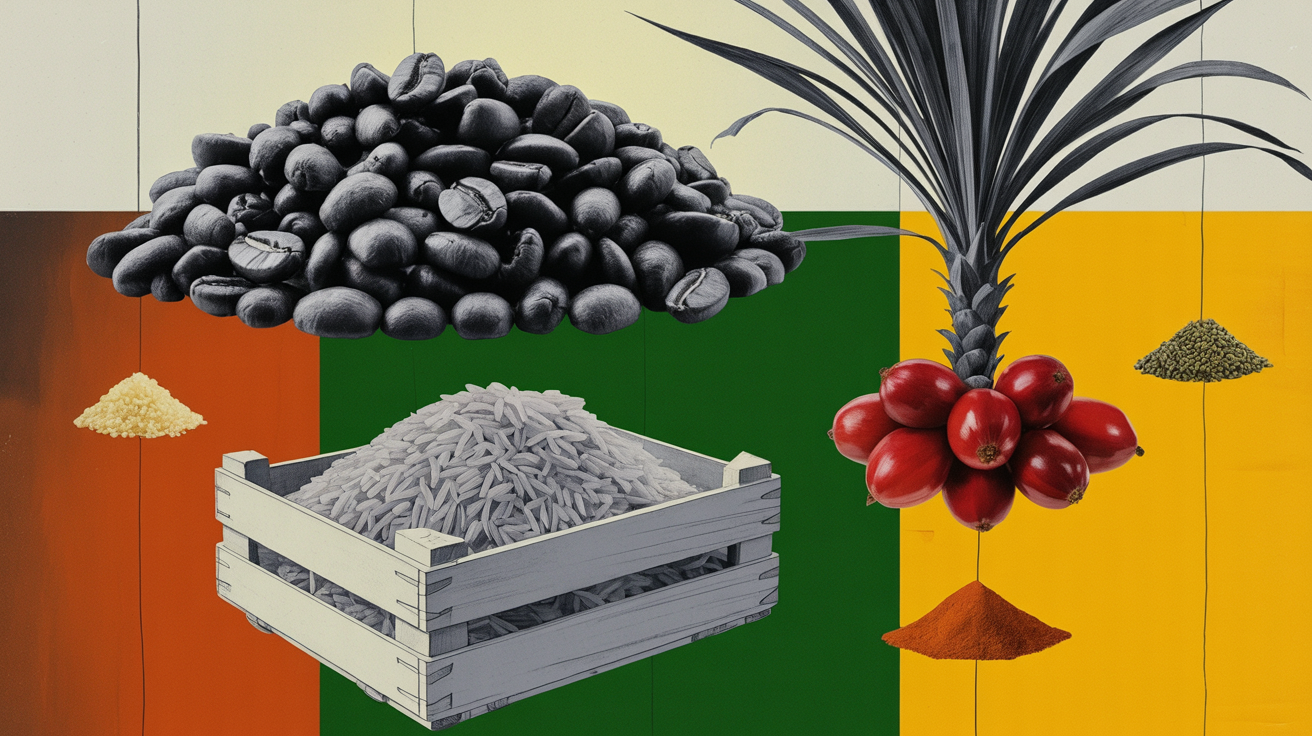
Nestlé, Mars and McCormick Seek Tariff Relief on Ingredients the US Can’t Grow

Some ingredients cannot be reshored, no matter the tariff. Food giants including Nestlé, Mars, McCormick and Treehouse Foods are asking the US Trade Representative to exempt core imports, coffee, palm oil, spices, and rice, from a set of proposed tariffs, arguing that climate and geography make domestic production impossible, according to Supply Chain Dive.
TLDR
- Food companies filed comments urging the US Trade Representative to exempt ingredients that cannot be produced domestically from proposed tariffs.
- Nestlé sought relief on instant coffee, palm oil, guar gum, and bovine collagen; Mars on basmati and jasmine rice; McCormick on spices and herbs; Treehouse Foods on palm oil.
- The proposed levies include a 25% tariff on Brazilian imports and a 10% to 12.5% tariff on goods from 60 trading partners tied to forced-labor investigations.
- The core argument: tariffing a crop the US climate cannot grow raises food costs without reshoring anything.
- More than 1,500 stakeholders filed exemption requests ahead of the hearings.
The Ingredients That Can’t Come Home
The food industry’s requests share a single, hard-to-argue premise: you cannot grow a coffee plant, an oil palm, or a black pepper vine in a country whose climate will not support them. Nestlé told the agency that domestic palm oil alternatives with equivalent quality “do not exist,” and that the oil, largely imported from Thailand and Malaysia, should be shielded from the levies. Mars asked for relief on basmati and jasmine rice; Treehouse Foods, like Nestlé, flagged palm oil. Nestlé’s list ran further still, into instant coffee, guar seeds and gum, and bovine collagen, the kind of functional ingredients that quietly hold modern formulations together.
A Tariff Can’t Grow a Coffee Plant
The proposed tariffs stem from Section 301 trade investigations, including one targeting goods made with forced labor. That rationale fits some products; it fits poorly against a spice or a coffee bean that simply has no domestic source. McCormick made the point sharpest, arguing that exemptions for its spices and herbs were not only necessary for lack of domestic availability, but would “promote efficiencies in US food ingredients manufacturing.” Translation: taxing an import you cannot replace at home is a tax on the finished product, not a lever that moves any factory back to American soil.
Where It Lands: The Grocery Shelf
Input costs do not evaporate; they travel downstream to the price of a jar of coffee, a bag of rice, a bottle of hot sauce. For formulators, the watch-list is specific: palm oil, guar gum, and collagen are workhorse ingredients with thin domestic supply and few clean substitutes. Whether the US Trade Representative narrows the levies will decide how much of this trade fight ends up printed on a grocery receipt.
Source: Supply Chain Dive; public comments filed with the US Trade Representative.