More Than 70 Health Experts Urge the White House to Release the Federal Ultra-Processed Food Definition
The proposed definition has sat at the White House budget office since August. Signers say industry pressure is holding it up; HHS says the work "never stalled."

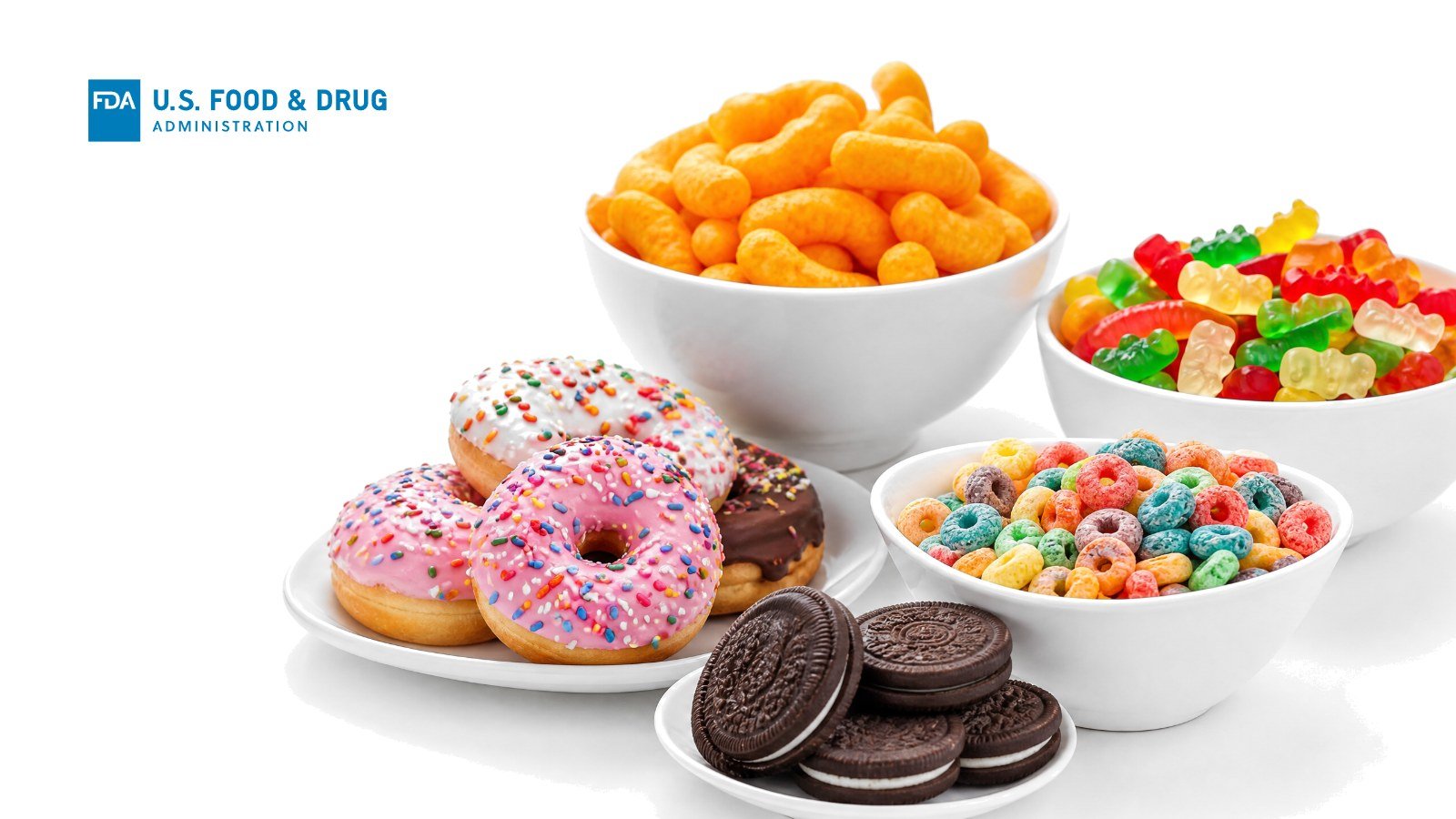
The federal government’s first definition of ultra-processed food has been finished since August. It has not been released. Now more than 70 public health experts are asking the White House to publish it.
TLDR
- More than 70 experts signed a letter to the Office of Management and Budget (OMB) urging it to release the proposed definition.
- FDA and USDA sent the definition to OMB for review in August. It is still listed as pending.
- Tufts’ Dariush Mozaffarian says industry pressure is holding it up. HHS says the work “never stalled.”
- The Consumer Brands Association warns a broad definition could raise grocery prices.
The Letter
The signers, who expected to pass 100 by October 23, argue that ultra-processed foods make up nearly 60% of calories for U.S. adults and 70% for children, Newsweek reported. They say a national definition would help consumers, support consistent state policies and lower compliance costs for businesses, and that publishing it would not by itself restrict sales, impose new requirements or raise prices.
“The federal UPF definition is being held up by intense industry pressure on the White House,” said Dariush Mozaffarian, director of the Food is Medicine Institute at Tufts University. Newsweek noted that the claim of industry pressure has not been independently established.
Where It Stands
FDA and USDA asked the public for input in July 2025. On August 10, 2026, Health Secretary Robert F. Kennedy Jr. said the agencies had sent their proposed definition to OMB for final review. No details have been released, and the agencies have not announced a timetable. FDA has already missed an earlier April deadline, Food Safety News noted.
An HHS spokesperson told Newsweek the work “never stalled” and that the administration is moving forward with the first federal definition. “We cannot reverse America’s chronic disease epidemic without transforming our food system,” Kennedy has said.
The Industry View
“America’s packaged food supply is safe,” said Rhonda Bentz of the Consumer Brands Association. She pointed to a new University of Chicago study estimating that a federal ultra-processed food label could cost consumers $8.1 billion a year in higher grocery prices, well above the $100 million threshold for an “economically significant” regulation.
Why It Matters
A federal definition would shape school meals, nutrition programs, state laws and possibly future labels. California has already written its own into law. The longer the federal version sits unreleased, the more states, certifiers and courts will define ultra-processed food on their own, and the less consistent the rules will be for brands that sell everywhere.
Sources: Newsweek; Food Safety News; Food Safety Magazine.