Harvard and UNC Launch a Food Policy Accelerator for Ultra-Processed Food Rules
UNC and Harvard Law School launched a Food Policy Accelerator to help governments write ultra-processed food policy, as the federal definition sits unreleased at the White House.

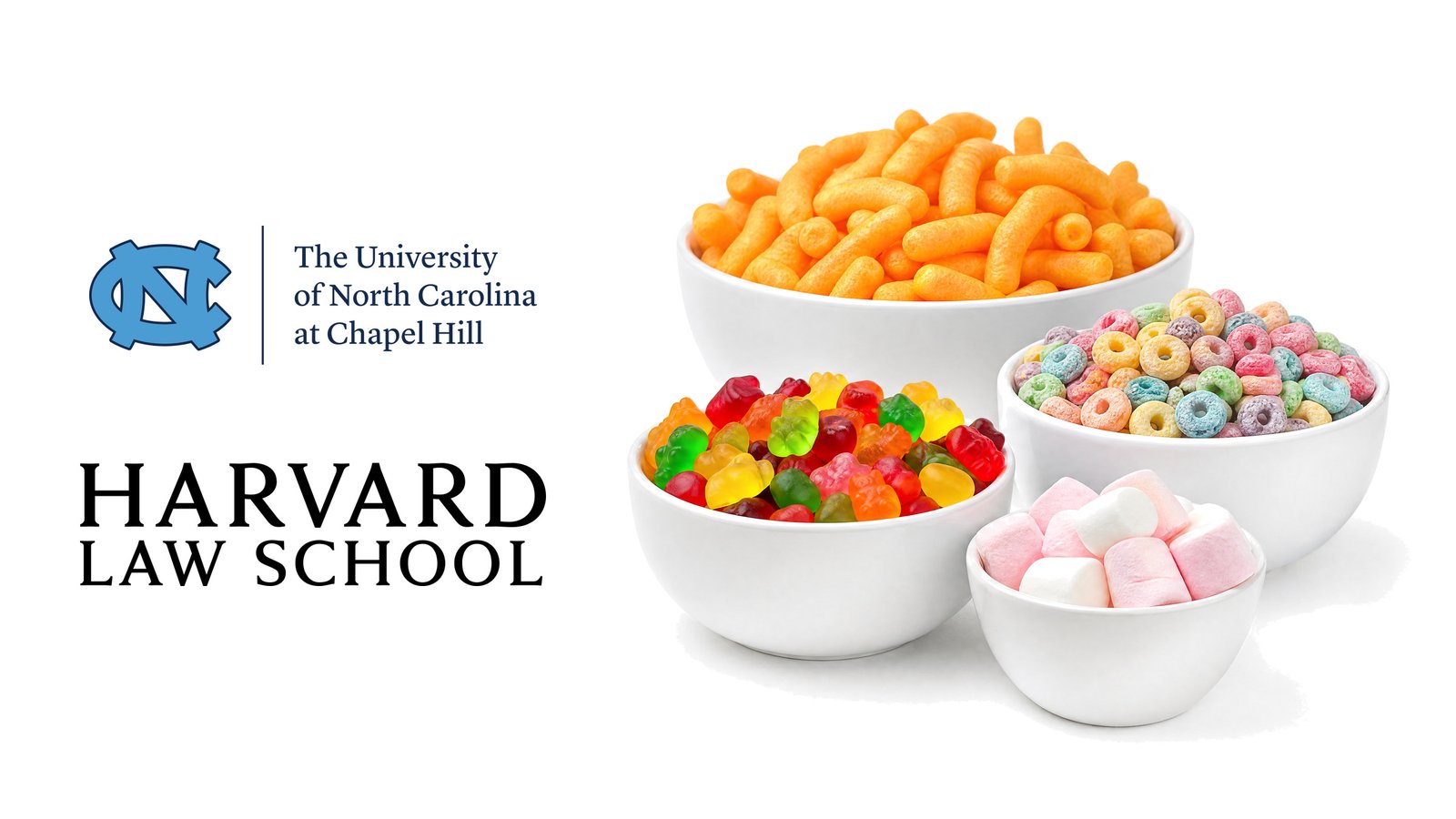
The University of North Carolina at Chapel Hill and Harvard Law School launched a Food Policy Accelerator on Monday to help lawmakers and agencies write policy on ultra-processed food. It arrives as the first federal definition of ultra-processed food sits unreleased at the White House.
TLDR
- UNC’s Global Food Research Program and Harvard Law School’s Food Law and Policy Clinic announced the Accelerator with Fed UP!, a group that researches and raises awareness of ultra-processed food and its potential health effects.
- It will offer food supply analysis, legal research and technical help to federal, state and local governments, legislative offices and advocates. Its work starts Jan. 1, 2027.
- The announcement did not say how the Accelerator is funded.
- The Food and Drug Administration (FDA) and U.S. Department of Agriculture (USDA) sent a proposed federal definition of ultra-processed food to the White House Office of Management and Budget in August. It has not been released.
What the Accelerator Will Do
The group plans to profile the food supply so policymakers can see which products a proposal would cover, and how it could affect availability, prices and purchases. It will give feedback on proposed laws on food labeling, marketing restrictions, school nutrition standards and public food procurement. It will also produce fact sheets, issue briefs, expert testimony and public comments.
A state weighing front-of-package labels, for example, could ask for help deciding which products would be covered and which nutrition criteria to use, according to the announcement. The federal government could work with it to help implement a federal definition, FDA chemical safety rules and school meal guidelines.
Lindsey Smith Taillie, a nutrition professor at UNC, and Emily Broad Leib, who directs Harvard Law School’s Center for Health Law and Policy Innovation, are both scientific contributors to Fed UP!. Both are named in the announcement. Taillie and others are scheduled to discuss the Accelerator at the American Public Health Association’s annual meeting in San Antonio on Tuesday.
Where the Federal Definition Stands
The proposed definition went to the budget office in August, and the office has been discussing it with industry representatives, Food Safety Magazine reported, citing Food Fix. The announcement notes that a definition would not itself regulate products.
Critics argue that defining food by processing rather than nutrient content could label nutrient-dense foods as unhealthy, Food Safety Magazine reported. California recently passed a bill creating a certification seal for foods that are not ultra-processed.
Why It Matters
A federal definition could give agencies, schools and researchers a shared starting point, but the rules that follow would be written by states, cities and agencies. The Accelerator aims to supply the data and legal work behind those rules. For food companies, state and local proposals may increasingly come with food supply data behind them.
Sources: Harvard Law School Center for Health Law and Policy Innovation, Food Safety Magazine.