Grupo Bimbo Wants Its White Bread to Count as a Fiber Source by 2030
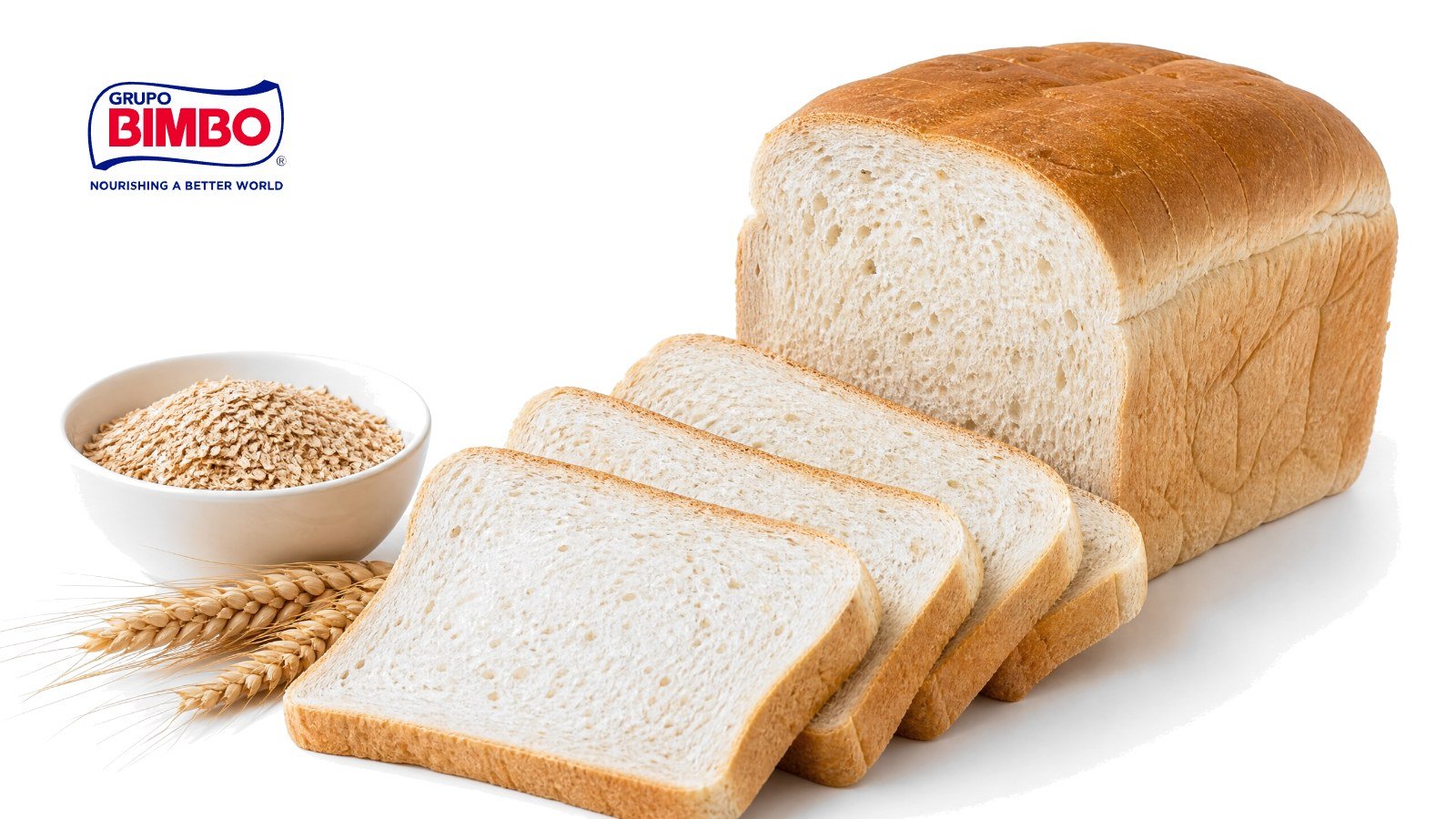
The world's largest baker says 97% of its white bread and baked goods already have at least 2 grams of fiber per 100 grams. The 2030 target is 3 grams.

Fiber is the next nutrient brands are chasing, and the world’s biggest baker is putting it into white bread.
TLDR
- 97% of Bimbo’s white bread and baked goods have at least 2 grams of fiber per 100 grams.
- By 2030, it wants all of them at 3 grams, the Codex threshold for a “source of fiber.”
- By 2027, its breads and bagels are to have fewer than 15 ingredients.
- Its packaged bread is made without preservatives or azo dyes.
The Plan
Patricia Villalobos, vice president of global research and development at Grupo Bimbo, outlined the targets to Food Business News. Today, 97% of the company’s white bread, baked items, bagels and English muffins contain at least 2 grams of dietary fiber per 100 grams. By 2030, the goal is for all of its white bread and baked foods to reach at least 3 grams per 100 grams, the Codex Alimentarius benchmark for a product to qualify as a fiber source.
By 2027, bread, baked items, English muffins and savory bagels are to contain fewer than 15 ingredients. Bimbo says its packaged bread and savory baked foods are made without preservatives or artificial azo colorants, and its flour is fortified with iron, folic acid and B vitamins.
What the Company Says
“Since 2005, we have been transforming our recipes with the goal of continuing to offer nutritious and delicious products that meet our consumers’ evolving needs, preferences and expectations,” Villalobos said.
Why It Matters
Most people do not get enough fiber, and white bread is one of the most-eaten foods there is. Adding fiber to the bread people already buy may do more than any new high-fiber product, and it is the kind of quiet reformulation that “fiber maxing” is pushing across the industry.
Source: Food Business News. Read the report.