

France has long been the land of beurre blanc, triple-cream brie, and charcuterie boards that double as dinner, yet it has long sustained the delicious contradiction known as the French Paradox: rich cuisine paired with smaller portions and comparatively lower obesity rates.
Now France is turning the dial.
Its newly updated dietary guidelines urge citizens to eat less meat and lean harder into plant-based proteins, citing both health outcomes and climate commitments. In some policy circles, cutting meat intake in half is the goal.
Meanwhile, across the Atlantic, the United States just flipped its pyramid.
The 2025–2030 U.S. Dietary Guidelines now position protein, healthy fats, and produce, visually pushing grains down and explicitly cautioning against ultra-processed foods. After decades of carb-heavy advice, protein is not just back front and center.
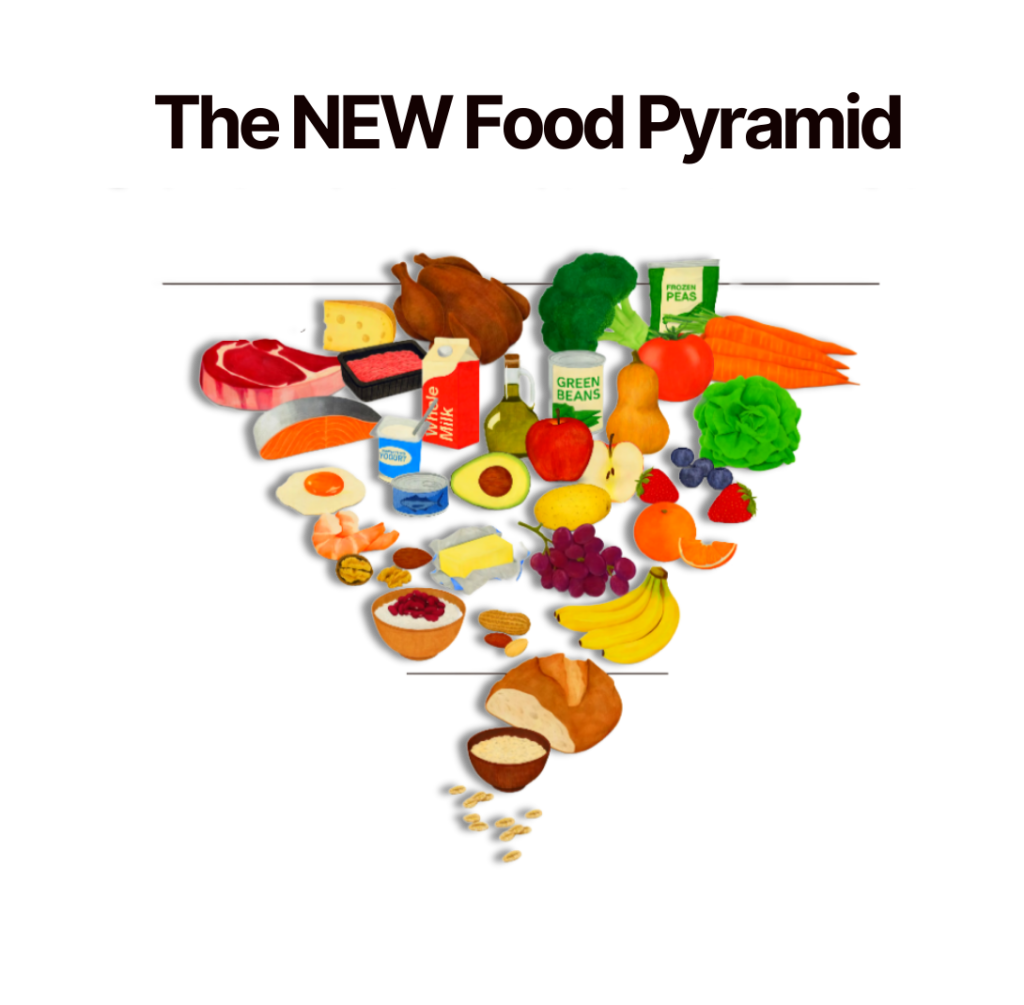
So let’s recap.
France: dial back the meat.
United States: elevate the protein.
If you are a consumer standing in the grocery aisle, this feels less like guidance and more like a choose-your-own-adventure novel.
And then there is culture: Keto and low-carb thinking did not disappear; it normalized protein obsession. Even consumers who are not “on keto” still think protein equals discipline, muscle, satiety, and metabolic edge.
Now layer in GLP-1 medications. Smaller appetites. Fewer calories. Slower digestion. When intake drops, quality matters. Protein becomes nutritional leverage.
At the same time, Europe is pushing harder on livestock emissions and planetary boundaries. There, protein is still important, but its origin is under scrutiny.
So what are brands navigating? Two continents. Two policy signals. One global supply chain.
This is not about whether protein matters. It clearly does. It is about what kind, how much, where, and under whose regulatory philosophy.
Protein is not a trend, but it is now a battleground.
In France, the message is moderation: less meat, more plants, and climate accountability baked into dietary guidance. In the United States, the signal is prioritization: elevate protein, cut ultra-processed foods, and rethink the carb-heavy past.
Add lingering keto culture… and GLP-1 appetite shifts and sustainability mandates, and suddenly protein is not just a macronutrient; it is policy, medicine, marketing, and climate strategy all wrapped into one.
For consumers, the messaging feels confusing. For many emerging better-for-you and alt-protein brands, it feels high stakes. Multinationals can hedge. They can sell meat-forward protein in one market and plant-forward alternatives in another.
Smaller brands do not have that cushion.
This is not a trend cycle. It is policy, climate, and brand identity wrapped into one eco-friendly package.
Lean into protein density for a GLP-1 consumer prioritizing satiety? Or, reformulate, reposition, and hope you get in before it’s too saturated?
Brands that will win the protein race won’t chase the noise. Instead, they will find the signal in the data (it’s already there) and stay the course.
Want a clearer signal through the noise?
Join us on February 19, as the Clean Food Forum brings together four industry experts to unpack the U.S. pyramid flip, France’s new guidance, GLP-1 ripple effects, and where protein innovation actually makes commercial and regulatory sense.
Free to attend; register at www.CleanFoodForum.Org