FDA Quietly Pulls Two Outdated Food Dye Approvals
FDA withdraws food dye authorizations no longer in commercial use, a procedural move that still signals tightening regulatory scrutiny of synthetic colorants.

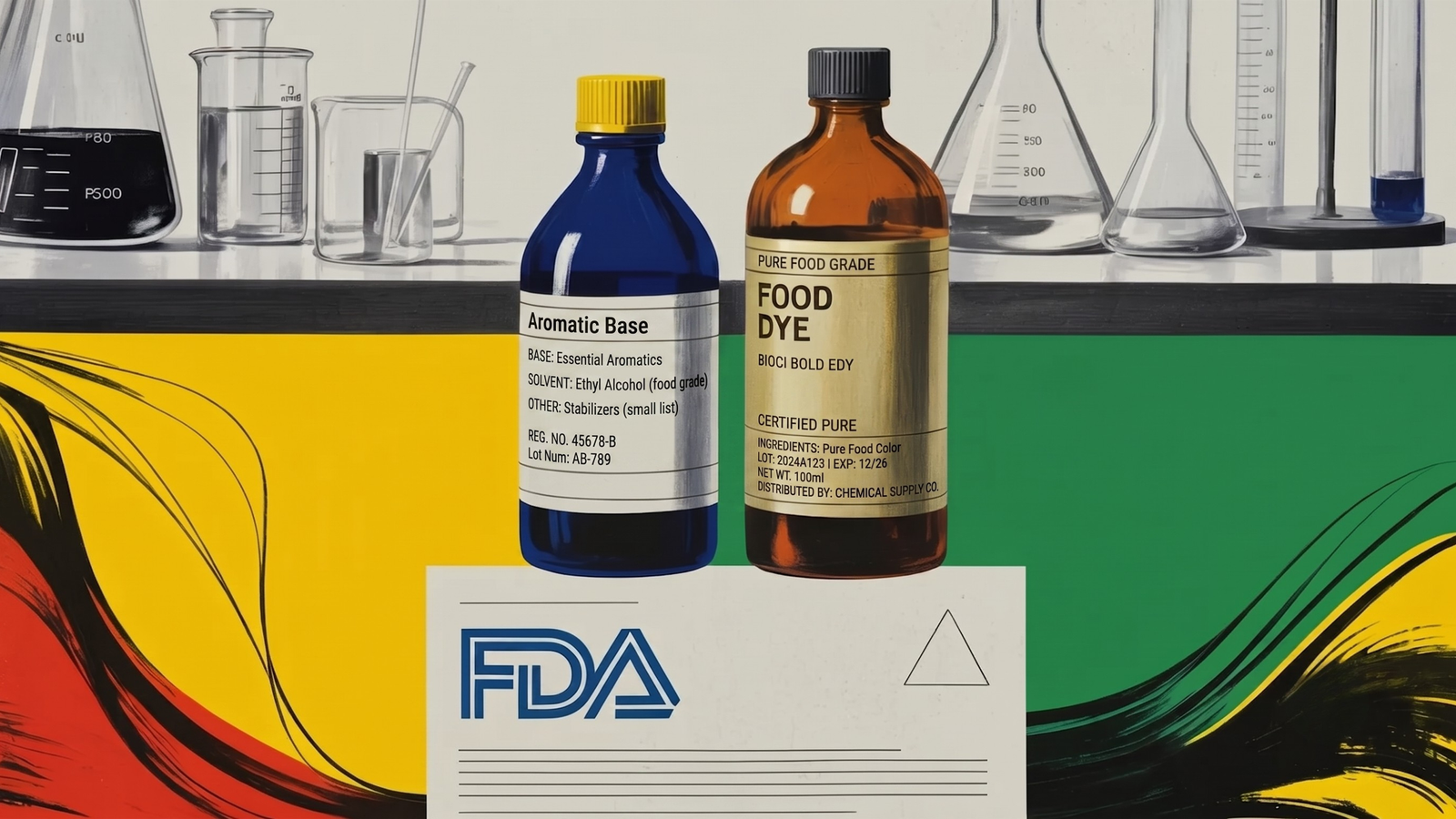
The FDA has withdrawn authorizations for two food dye uses it deemed obsolete, according to Food Safety Magazine. The move is administrative in nature. But it lands at a moment when synthetic colorants face their sharpest regulatory and market pressure in decades.
TLDR
- FDA revoked two food dye authorizations it classified as no longer in use.
- The withdrawals are procedural but reflect broader regulatory housecleaning on colorants.
- Synthetic dye scrutiny is intensifying across federal agencies and state legislatures.
- Operators relying on legacy color approvals should audit their regulatory standing now.
- Clean-label momentum is making proactive reformulation a competitive advantage.
FDA Food Dye Authorizations Under the Microscope
The FDA’s withdrawal targets two color additive permissions it determined are no longer actively used in commerce. Removing obsolete authorizations is standard regulatory hygiene. However, the timing is anything but routine.
Synthetic food dyes are under coordinated pressure from multiple directions. The FDA has already moved to phase out Red No. 3 from food applications, following a long-overdue review of its own prior approvals. Several states, led by California, have enacted or proposed bans on specific synthetic dyes in school foods.
What This Means for Manufacturers and Suppliers
For operators, the practical impact of these two specific withdrawals may be minimal. Obsolete authorizations, by definition, cover ingredients not in active production pipelines. Significant, though, is what the pattern reveals.
The FDA is auditing its color additive inventory with new seriousness. Manufacturers still using grandfathered or legacy synthetic colorants should treat this moment as a prompt. A proactive reformulation review now costs less than a reactive one later.
Additionally, retail buyers and foodservice customers are increasingly requiring clean-label compliance from suppliers. Regulatory withdrawal and retail pressure are converging, and the window for voluntary transition is narrowing. Brands that moved early on natural colorants have already absorbed reformulation costs and locked in cleaner labels. The laggards are running out of runway.
Source: Food Safety Magazine. Read the full article