
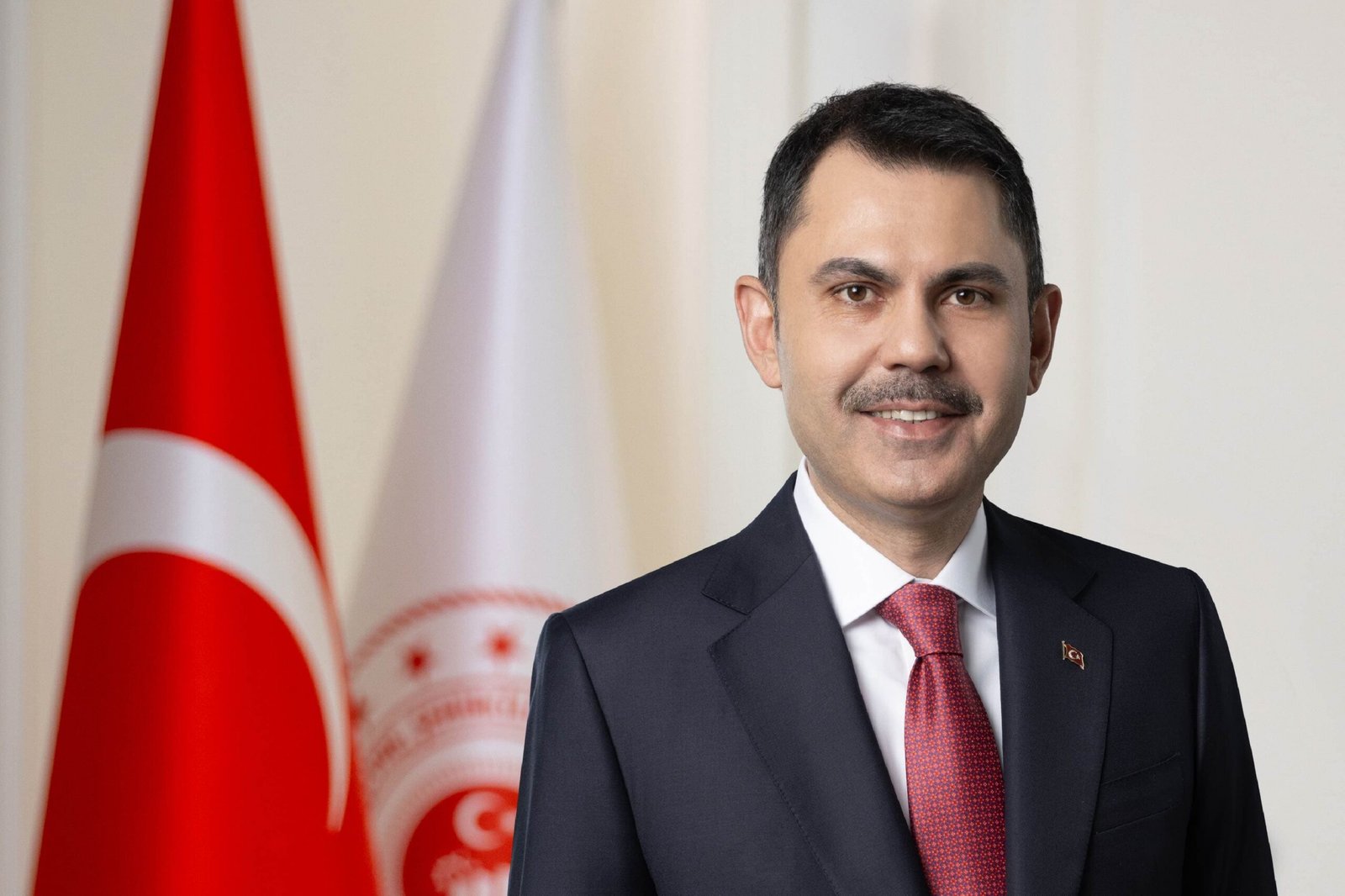
COP31’s Big Bet: Electrify Everything to Save Everyone
COP31 president-designate Murat Kurum is pushing a 35% global electrification goal; food operators should understand what that means for their supply chains.

The man set to lead COP31 has a clear priority: electrify the world’s energy systems, fast. Murat Kurum, COP31 president-designate, launched a target for 35% of global final energy to come from electricity. For food manufacturers still running fossil-fuel-dependent operations, the COP31 electrification target is no longer background noise.
TLDR
- COP31 president-designate Kurum launched a 35% global electrification energy target.
- Kurum calls electrification the ‘surest way to protect citizens’ from climate harm.
- Food operators reliant on fossil fuels face growing policy and market pressure.
- The target signals tightening expectations for industrial energy transitions globally.
- Supply chain decarbonization timelines may accelerate under this COP31 framework.
Murat Kurum, Turkey’s environment minister and COP31 president-designate, told Carbon Brief that electrification represents the clearest path to protecting people from climate-driven harm. He launched a formal target: 35% of the world’s final energy consumption should come from electricity. That number carries weight for every energy-intensive industry, including food production.
COP31 Electrification Target and the Food Sector
Food manufacturing ranks among the most energy-intensive industrial sectors globally. Thermal processing, refrigeration, and logistics all run heavily on fossil fuels in most markets. The COP31 electrification target puts a quantified benchmark on the table; operators ignoring it do so at increasing commercial and regulatory risk.
Specifically, Kurum framed electrification not as an environmental luxury but as a protective measure for citizens. That framing matters. It shifts the political calculus from aspiration to obligation. Governments aligned with COP31 commitments will face pressure to translate targets into policy, including carbon pricing, efficiency mandates, and procurement rules.
What Operators Should Watch Now
Additionally, food retailers and ingredient suppliers sourcing from energy-intensive processors should begin stress-testing supplier relationships against electrification readiness. Brands already investing in clean-energy transitions gain a measurable procurement advantage as buyer standards tighten.
In short, the 35% electrification target is not a distant aspiration. COP31 convenes in 2026, and Kurum is already building the political architecture around it. Operators who move early on electrification lock in cost stability and supply chain credibility. Those who wait will find the window for orderly transition narrowing quickly.
Source: Carbon Brief. https://www.carbonbrief.org/interview-cop31-president-says-electrification-is-surest-way-to-protect-citizens/