Consumer Reports Presses FDA on Its Response to the Cyclospora Outbreak That Sickened Nearly 13,000
Consumer Reports sent FDA Deputy Commissioner Donald Prater eight questions about delays and transparency in the lettuce-linked outbreak, and asked for answers by November 6.

This summer’s Cyclospora outbreak sickened nearly 13,000 people. Consumer Reports now wants the Food and Drug Administration (FDA) to explain why its response took so long.
TLDR
- The outbreak was linked to iceberg lettuce from Taylor Farms de Mexico.
- CDC counted 12,883 illnesses in 21 states, at least 570 hospitalizations and 2 deaths.
- Consumer Reports sent FDA Deputy Commissioner Donald Prater eight questions.
- It wants answers by November 6.
The Outbreak
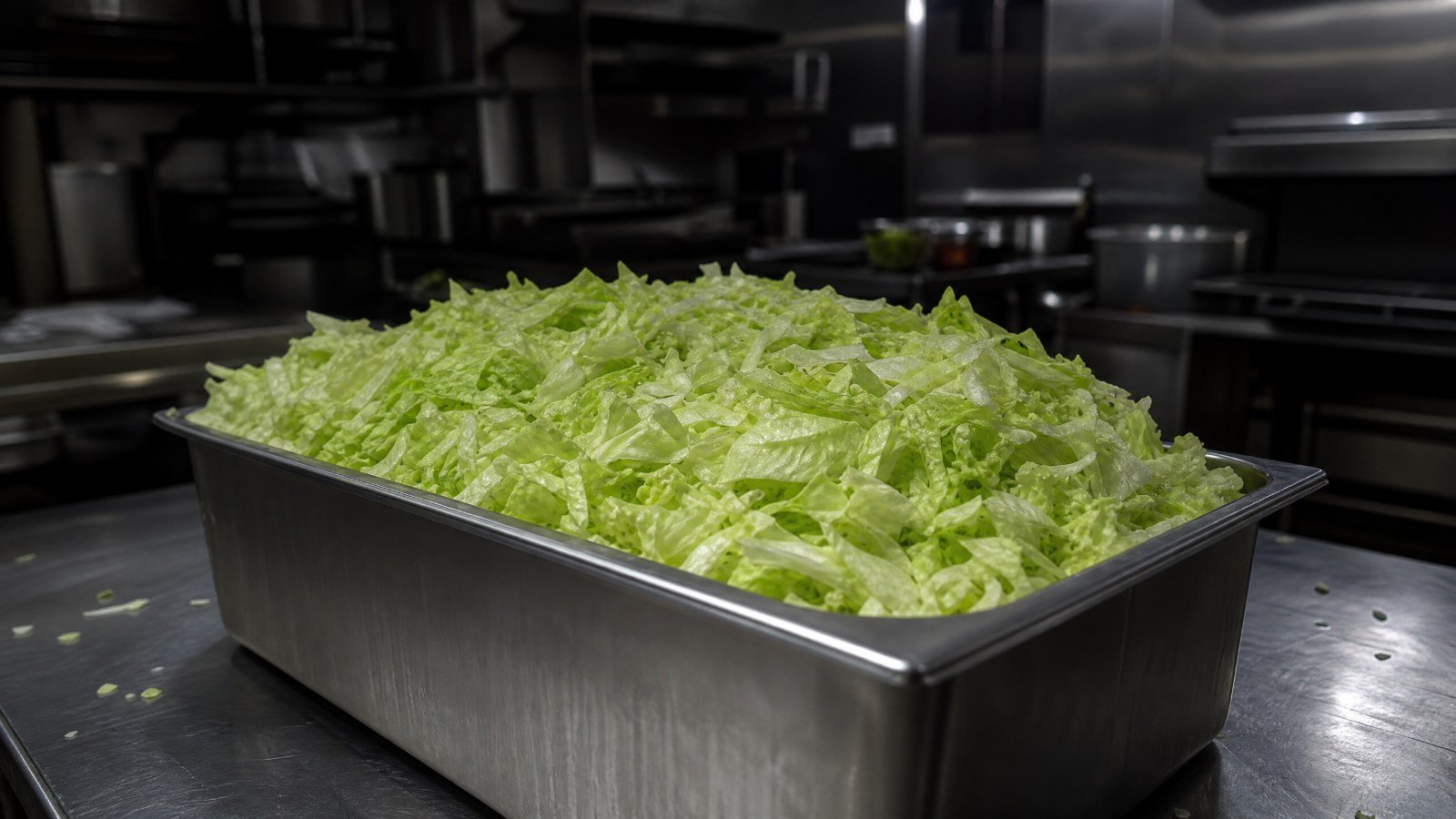
The Centers for Disease Control and Prevention (CDC) linked the outbreak to iceberg lettuce from Taylor Farms de Mexico, a processor in central Mexico, including shredded lettuce served at some Taco Bell locations. Taylor Farms de Mexico recalled all iceberg lettuce sourced from central Mexico on July 17. In its final update on September 11, CDC reported 12,883 illnesses in 21 states, at least 570 hospitalizations and two deaths, both in Michigan, and declared the outbreak over. FDA is still investigating how the lettuce became contaminated.
What Consumer Reports Is Asking
In its letter, Consumer Reports said the outbreak exposed “critical vulnerabilities” and that “the FDA’s response has been hindered by notable delays and a lack of transparency,” according to Food Safety News. It said the agency “took nearly a month to launch environmental sampling and on-site inspections in Mexico.”
Its eight questions include:
- What delayed FDA’s on-site investigation in Mexico?
- If FDA cannot inspect some foreign facilities for security reasons, why are their imports still allowed in?
- Why has FDA not issued an import alert on iceberg lettuce from central Mexico?
- Why did the Class I recall classification take about a month?
- What is FDA’s staffing for outbreak response, enforcement and prevention in the Human Foods Program?
“To restore public trust and ensure accountability, the FDA must address the systemic inefficiencies” the outbreak revealed, the letter said.
The Rule That Was Not There
FDA’s food traceability rule requires companies that handle high-risk foods to keep detailed supply chain records. It was set to take effect in January 2026. In March 2025, FDA pushed it back two and a half years to July 2028, and Congress later locked in the delay.
“Had the rule been in place, it would have made it easier to trace the outbreak back to the source more quickly,” said Brian Ronholm, director of food policy at Consumer Reports.
Why It Matters
Nearly 13,000 confirmed illnesses, and CDC says the true number is likely higher. When the agency responsible for food safety is slow to inspect, slow to classify a recall and missing the tool that would have sped up trace-back, watchdog groups step in to demand answers.
Sources: Food Safety News; CDC.