
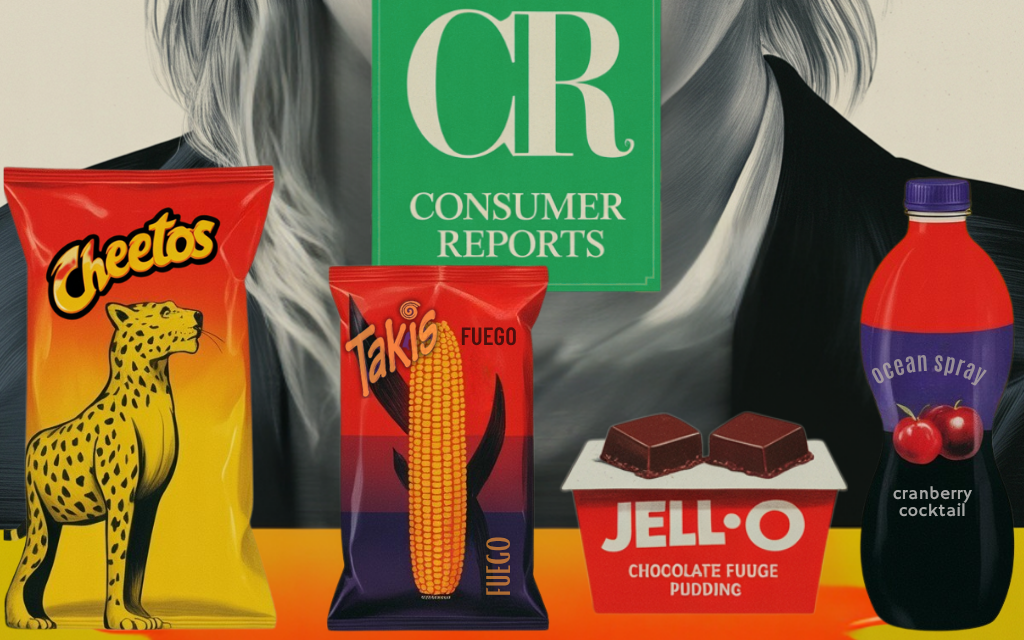
Consumer Reports Flags Popular Snacks for Additives and Contaminants
Consumer Reports tested popular snacks and found elevated levels of additives and contaminants, raising fresh pressure on manufacturers to clean up formulations.

A joint investigation by Consumer Reports and Yuka tested 40 popular grocery snacks and found that more than a third exceeded safe daily intake levels for at least one additive or contaminant in a single serving. The report names names, and the list includes some of the most recognizable products on American shelves.
TLDR
- Consumer Reports and Yuka tested 40 popular snacks for 8 additives and 2 contaminants across more than 120 product samples.
- Over a third of products exceeded safe daily intake levels for at least one substance in a single serving.
- Hostess Donettes, Little Debbie Oatmeal Creme Pies, Jell-O Zero Sugar Pudding, Cheetos Flamin’ Hot Crunchy, and Gushers were among the highest-flagged products.
- Nearly two-thirds of all 40 products tested contained enough of at least one additive to exceed levels linked to increased cancer, heart disease, or diabetes risk.
- The investigation adds real commercial pressure on brands to reformulate, with several companies already announcing plans to remove synthetic dyes.
What Consumer Reports Actually Found
The investigation, published June 9, 2026, tested for Red 40, titanium dioxide, glycidyl esters, 3-MCPD, BHT, BHA, sodium nitrite, acesulfame K, aspartame, and sucralose. Researchers purchased over 120 samples of the 40 products across multiple lots and compared results against safety thresholds from the FDA, the European Food Safety Authority (EFSA), and California’s Office of Environmental Health Hazard Assessment.
Eleven products exceeded the hazard threshold for adults based on a single daily serving. Fourteen exceeded it for children. Here is what the report flagged by product category.
Snack Cakes and Powdered Treats
Hostess Donettes Powdered Mini Donuts came in with the most alarming single finding in the entire report. One serving contained 261 mg of titanium dioxide, a synthetic whitening pigment banned as a food additive across the European Union since 2022 over its potential to cause DNA strand breaks and chromosomal damage. That amount is more than 760 times the level detected in the other three titanium dioxide-positive products combined. The same serving also contained nearly 19 times the safe daily threshold for glycidyl esters, a carcinogenic process contaminant.
Little Debbie Oatmeal Creme Pies also tested positive for both titanium dioxide and glycidyl esters. One serving contained 5.2 micrograms of glycidyl esters, placing it at more than nine times the daily safe intake threshold for that contaminant. Both snack cake products were among the four in the full test set that contained titanium dioxide.
Red 40 and Children’s Snacks
Red Dye No. 40 emerged as the most widely detected substance across the 40 products tested. Consumer Reports found it in 12 of the 13 products that listed it as an ingredient. The report used a California-derived acceptable daily intake of 4.9 mg for adults and 1.6 mg for children, thresholds that are far more conservative than the FDA’s current standard, which was derived from an unpublished 1970 manufacturer-submitted rat study.
- Jell-O Zero Sugar Instant Pudding (Chocolate Fudge): 14.19 mg per serving — nearly nine times the adult limit and more than eight times the child limit
- Ocean Spray Diet Cran-Grape Juice: 12.56 mg per serving — exceeds both adult and child limits
- Cheetos Flamin’ Hot Crunchy: 10.79 mg per serving — exceeds both adult and child limits
- Takis Fuego: 3.05 mg per serving — exceeds child limit
- Kool-Aid Liquid Drink Mix (Grape): 2.69 mg per serving — exceeds child limit
- Powerade Zero Grape: 1.15 mg per serving
- Fruit Roll-Ups Variety Pack: 1.12 mg per serving
- Martha White Wild Berry Muffin Mix: 0.86 mg per serving
- Sunkist Zero Sugar Orange Soda: 0.74 mg per serving
- Gushers Variety Pack: 0.53 mg per serving
- Albanese Zero Sugar Gummi Bears: 0.28 mg per serving
- Pillsbury Zero Sugar Classic Yellow Cake Mix: 0.10 mg per serving
- Little Debbie Oatmeal Creme Pies: not detected (only product listing Red 40 where the dye was absent)
Artificial Sweeteners
None of the 21 sweetener-containing products exceeded FDA or EFSA acceptable daily intake levels for acesulfame K, aspartame, or sucralose.
However, when the results were compared against levels associated with increased health risk in a large-scale French cohort study tracking more than 100,000 adults over 12 years, 19 of the 21 products exceeded the threshold for at least one sweetener in a single serving. That study linked consumption at those levels to increased risks of cancer, cardiovascular disease, and type 2 diabetes.
The FDA has not incorporated this type of epidemiological data into its safety framework, according to researchers cited in the report.
What This Means for Snack Manufacturers and Retailers
Several major brands have already responded. Kraft Heinz plans to remove Red 40 and six other synthetic dyes from its U.S. portfolio by the end of 2027.
Ocean Spray says it will relaunch its Diet Cran-Grape line with natural colors in early 2027. An Amos spokesperson said the company expects to phase out titanium dioxide from its Peelerz products by the end of 2026. McKee Foods, maker of Little Debbie, declined to comment.
For food-industry operators, the timing has real operational weight. Federal regulators are actively revisiting the GRAS framework, and several states have already enacted or are enacting bans on specific additives. West Virginia’s law banning Red 40 and eight other additives from general sale takes effect January 1, 2028. Clean-label reformulation pressure has not been this acute in decades. Brands ahead of the curve on ingredient transparency are absorbing this news cycle more cleanly than those still waiting.
Contract manufacturers and ingredient suppliers serving the snack segment should also expect inbound questions from brand customers following this report. Transparency documentation, third-party testing records, and contaminant thresholds are likely to come up in supplier reviews in the months ahead.
Source: Consumer Reports and Yuka. URL