Big Food Is Breaking Up. Who Actually Wins?
Unilever and Kraft Heinz are restructuring through demergers. Big Food corporate splits are rattling markets, workers, and supplier relationships alike.

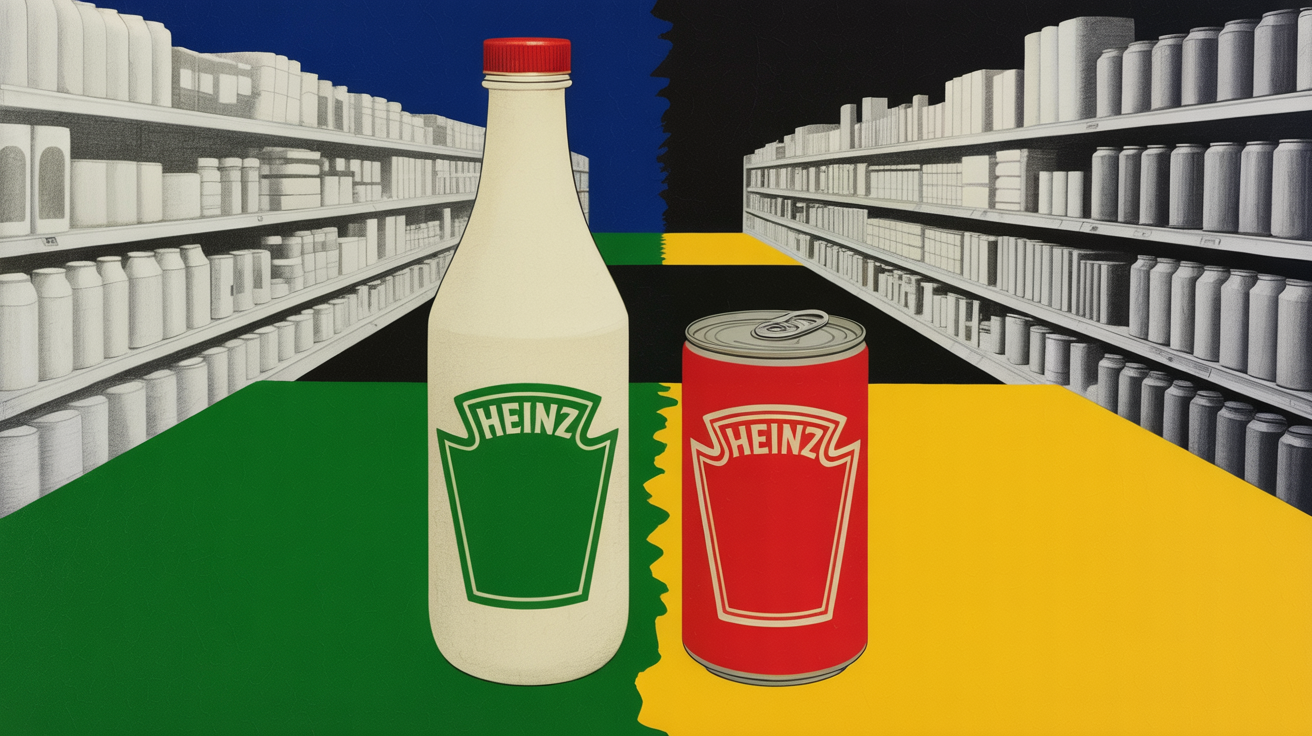
Big Food is dismantling itself, piece by piece. Unilever and Kraft Heinz are both pursuing major structural splits, and the confectionery and food industry is watching closely. Big Food corporate splits of this scale carry real consequences for suppliers, retailers, and the brands consumers trust.
TLDR
- Unilever and Kraft Heinz are both pursuing significant corporate demerger strategies.
- Markets and workers have reacted with visible unease to both announcements.
- Splits can sharpen focus, but they also fracture supplier and retailer relationships.
- Cleaner, leaner portfolios may accelerate better-for-you product investment.
- The outcome depends heavily on which brands each entity retains post-split.
Confectionery News and FoodNavigator are tracking two of the biggest structural bets in packaged food right now. Unilever and Kraft Heinz are both pursuing demergers, and neither move is without risk.
Big Food Corporate Splits: The Case for Breaking Up
The argument for splitting is straightforward. Focused companies move faster. A leaner Unilever, for example, can prioritize its strongest growth categories without legacy drag. Kraft Heinz, long burdened by a bloated portfolio and debt from its 2015 merger, may find sharper identity in two separate entities. Investors often reward this kind of surgical clarity. However, clarity for shareholders does not automatically mean clarity for the supply chain.
Suppliers working across multiple categories inside one conglomerate face real disruption. Contracts, procurement contacts, and co-development relationships can fracture overnight. Retailers managing shelf space negotiations also lose the bundled leverage that large portfolios historically provided.
What the Splits Reveal About Portfolio Strategy
Specifically, the brands each company keeps, and which it spins off, will signal its actual priorities. If healthier, cleaner-label lines land inside the growth-focused entity, that is a meaningful signal. If they get shuffled into a legacy holdco built around cost-cutting, operators should read that carefully. The Future of Food has tracked how portfolio decisions at this scale shape innovation investment for years downstream.
Additionally, demergers create leadership vacuums. New C-suites in spun-off units often reset supplier relationships from scratch. That is both a risk and an opening for agile ingredient and packaging partners ready to move quickly.
In short, Big Food corporate splits are not inherently good or bad. Execution is everything. The companies that use structural change to accelerate better-for-you innovation will look prescient. Those that use it to quietly bury underperforming legacy brands deserve scrutiny. Watch the brand assignments closely.
Source: FoodNavigator / Confectionery News. https://www.foodnavigator.com/Article/2026/05/11/unilever-and-kraft-heinz-splits-smart-move-or-strategic-misstep/