New York Gov. Hochul Vetoes Bill to Ban Red No. 3 Food Dye and Require GRAS Ingredient Disclosure
Gov. Kathy Hochul vetoed New York's Food Safety and Chemical Disclosure Act, which would have banned the synthetic food dye Red No. 3, potassium bromate and propylparaben and made companies report self-affirmed GRAS ingredients to the state. The bill's Assembly sponsor says she will bring it back.

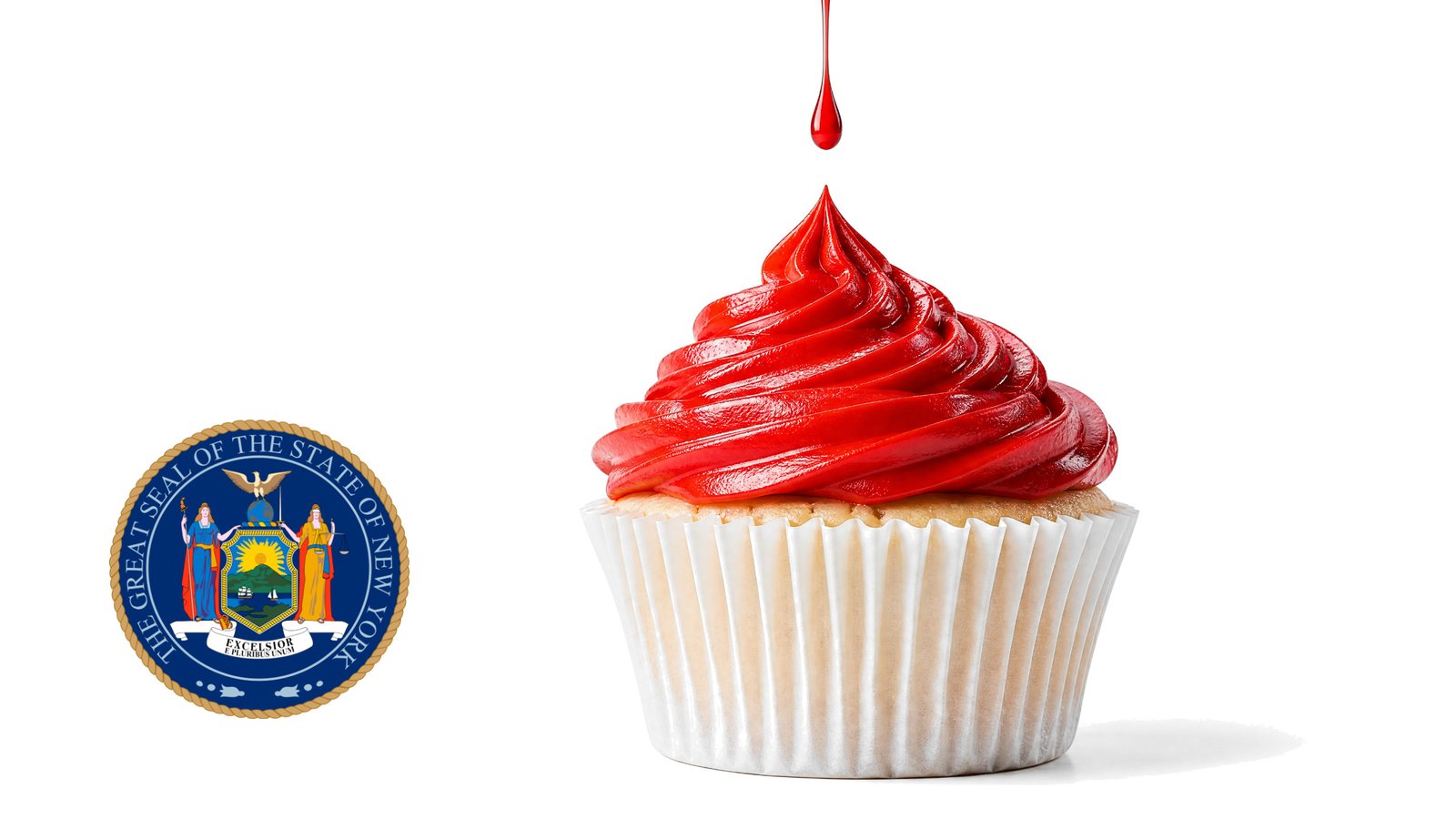
New York will not ban the synthetic food dye Red No. 3 on its own, for now. Gov. Kathy Hochul vetoed the Food Safety and Chemical Disclosure Act on Nov. 20, according to the state Assembly’s bill record. The bill would also have banned potassium bromate and propylparaben and required companies to disclose ingredients they self-affirm as “generally recognized as safe” (GRAS).
TLDR
- The Assembly record for A1556G lists the bill as delivered to the governor on Nov. 13 and vetoed on Nov. 20.
- Hochul’s office cited costs to New York businesses, grocery shoppers and taxpayers, and urged the U.S. Food and Drug Administration (FDA) to strengthen its oversight of food ingredients, WXXI News reported.
- Assembly sponsor Anna Kelles said she will reintroduce the bill. She did not give a timetable.
- Red No. 3 still leaves the U.S. food supply under federal rules: FDA’s deadline for food is Jan. 15, 2027.
What the Veto Stops
The bill, S1239F in the Senate and A1556G in the Assembly, would have banned food containing FD&C Red No. 3, potassium bromate or propylparaben. Consumer Reports noted that California banned the same three additives in 2023. Potassium bromate is used in some flour for bagels and pizza dough. Propylparaben is a preservative.
The bill would also have required companies to report GRAS determinations they have not sent to FDA to the state Department of Agriculture and Markets, which would have made them public. Under federal law, a company can decide on its own that an ingredient is GRAS and use it without notifying FDA. The Future of Food covered the bill’s details when it reached the governor.
The Governor’s Reasons
A Hochul spokesperson called the bill’s goal laudable, WXXI News reported. The spokesperson said enacting it would hurt the competitiveness of New York businesses and raise grocery and taxpayer costs. The governor’s office urged FDA to continue its review of food ingredients.
Industry groups had argued the bill would cost $21 million to implement, a figure drawn from an analysis of a proposed California GRAS bill, according to Consumer Reports. Consumer Reports said the New York Senate Finance Committee put the cost at $250,000.
What Supporters Say Comes Next
Consumer Reports, based in Yonkers, said the veto was deeply disappointing and that the bill would have given New Yorkers transparency about chemicals added to food. The Center for Science in the Public Interest (CSPI), which backed the bill, said it expects lawmakers to bring it back when they return to Albany in January.
Kelles pointed to restrictions in California, Arkansas and Utah, Finger Lakes 1 reported. She said most American Bakers Association members already avoid potassium bromate. She also said she found 50-pound bags of the same brand of high-protein flour, with and without potassium bromate, at the same price.
Why It Matters
The veto leaves the federal track in charge in New York. FDA has revoked Red No. 3’s authorization in food, with a Jan. 15, 2027, deadline. FDA has also proposed a rule requiring notification for substances claimed as GRAS, with comments due Dec. 9. Potassium bromate and propylparaben have no federal ban. For now, changes to those ingredients in New York will come through federal rules and company decisions rather than a state law.
Sources: New York State Assembly, A1556G bill actions, Consumer Reports (Nov. 20, 2026), WXXI News via WAMC (Nov. 20, 2026), Finger Lakes 1 (Nov. 20, 2026)