Oklahoma Bill Would Keep Red 40 and Six Other Synthetic Food Dyes Out of School, Prison and Jail Meals
Oklahoma Sen. Kristen Thompson filed Senate Bill 2, which would bar public schools, juvenile facilities, state prisons and county jails from serving food made with Red 40 and six other synthetic food dyes, plus 12 other substances including titanium dioxide, potassium bromate and aspartame.

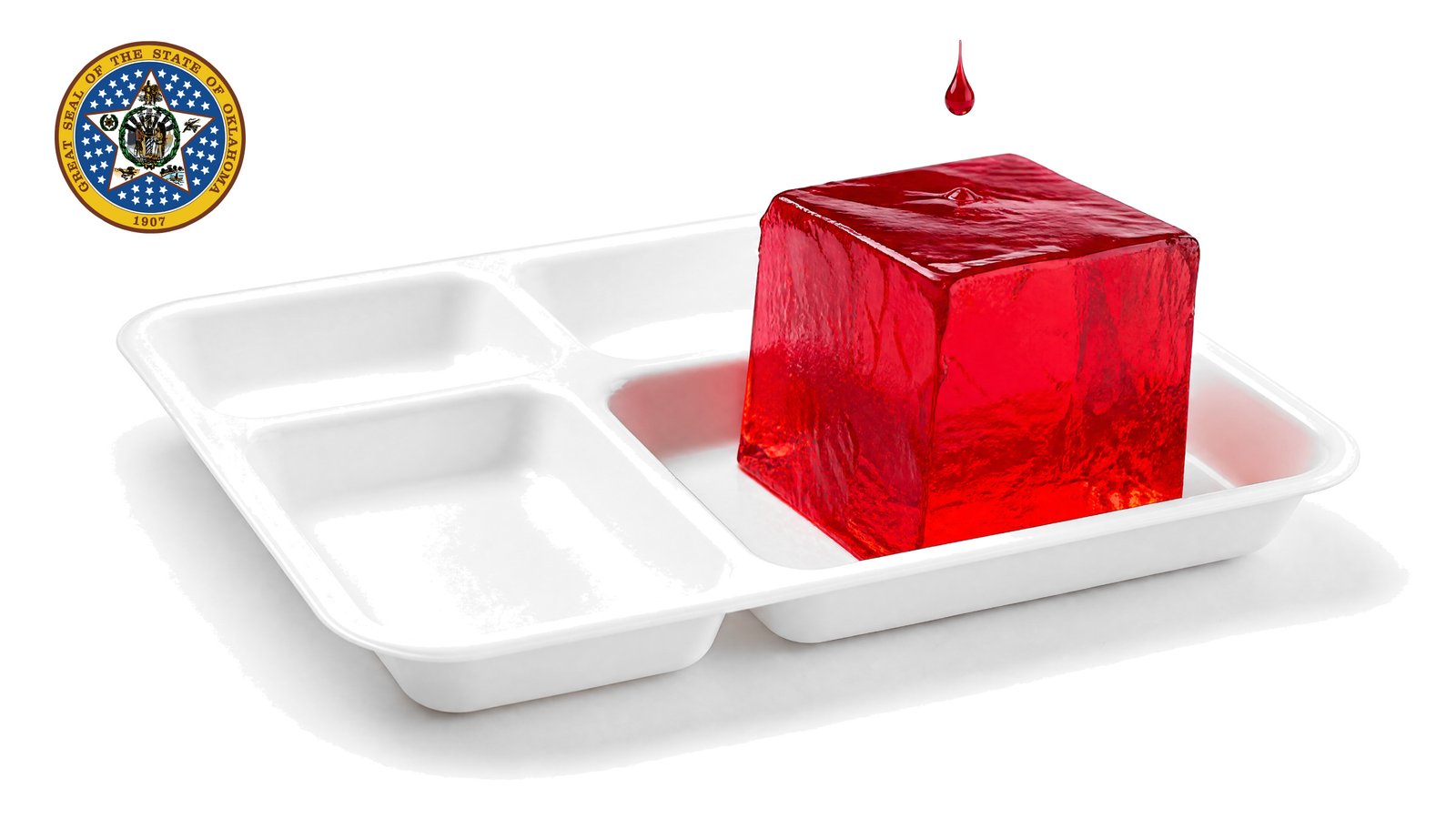
Synthetic food dyes, including Red 40, Yellow 5 and Blue 1, would be off the menu in Oklahoma public schools, juvenile facilities, state prisons and county jails under a bill filed by state Sen. Kristen Thompson, R-Edmond. The Oklahoma Senate announced Senate Bill 2 on Wednesday, Nov. 18, and said it will be eligible for consideration in the 2027 legislative session.
TLDR
- Senate Bill 2 lists 19 substances that covered institutions could not serve, as additives or in any food that contains them.
- Seven are synthetic food dyes: Red 3, Red 40, Yellow 5, Yellow 6, Blue 1, Blue 2 and Green 3.
- The other 12 include titanium dioxide, potassium bromate, aspartame, brominated vegetable oil, butylated hydroxyanisole (BHA) and butylated hydroxytoluene (BHT).
- The bill does not apply to private businesses or to prisons run by private contractors.
What the Bill Covers
According to the bill text as introduced, the ban would apply to public school districts, public charter schools, state facilities for delinquents or youthful offenders, facilities under the Oklahoma Department of Corrections, and county jails. None of them could serve the listed substances as food additives or color additives, or serve any food product that contains them.
The 19 substances are aspartame, azodicarbonamide (ADA), Blue 1, Blue 2, brominated vegetable oil (BVO), butylated hydroxyanisole (BHA), butylated hydroxytoluene (BHT), ethylene dichloride, Green 3, methylene chloride, potassium bromate, propyl gallate, propylparaben, Red 3, Red 40, titanium dioxide, trichloroethylene, Yellow 5 and Yellow 6.
The bill does not set penalties. It states that it does not apply to private business entities in Oklahoma or to facilities run by private prison contractors.
The Sponsor’s Case
In the Senate announcement, Thompson pointed to research on behavioral effects of some artificial colors in children and to health concerns about certain preservatives and additives. She said taxpayer-funded institutions should provide healthier food choices.
An Earlier Version Stalled
Thompson’s 2025 bill, Senate Bill 4, was broader. It would have banned 21 ingredients from food in the state, required warning labels on chemical food additives and extended the ban to ingestible medications, Oklahoma Voice reported. It cleared the Senate Agriculture and Wildlife Committee 10 to 1 in March 2025, Oklahoma Voice reported, but then stalled in the Senate, according to News 9. Senate Bill 2 is narrower, limited to food served by public institutions.
Why It Matters
Schools and correctional facilities buy food in volume, so the rule would reach suppliers that sell into those programs. The federal timeline is already moving. The U.S. Food and Drug Administration (FDA) has asked companies to remove the six remaining petroleum-based synthetic dyes by the end of 2027, and Red 3 must be out of food by Jan. 15, 2027. Senate Bill 2 would add a state rule for Oklahoma’s public institutions on top of those federal steps.
Sources: Oklahoma Senate (Nov. 18, 2026); Senate Bill 2 as introduced; KOKH (Kimberly Querry-Thompson, Nov. 18, 2026); Oklahoma Voice (Barbara Hoberock, March 3, 2025); News 9 (Sept. 2, 2025).