Saffron Prices Climb 10% to 20% as the Iran War Squeezes Exports of the Natural Color
Iran grows about 90% of the world's saffron, and most of it ships by air. The war has squeezed exports and lifted prices, though this year's crop was not hit.

The war in Iran is squeezing exports of saffron, the spice and natural color that comes mostly from Iran. Prices are up 10% to 20% from 2025, an ingredients supplier told FoodNavigator, even though this year’s crop was not hit.
TLDR
- Iran produces about 90% of the world’s saffron, according to the United Nations Food and Agriculture Organization (FAO), as cited by FoodNavigator.
- About 90% of saffron ships by air, which leaves it exposed to airspace closures and fuel shortages, FoodNavigator reported.
- Ingredients company Natac put the price rise at 10% to 20% compared with 2025.
- In the U.S., saffron is a listed color additive that does not need batch certification.
What Is Happening to the Trade
FoodNavigator reported on Nov. 9 that the war, which began Feb. 28, has raised transport, fuel and farm input costs for Iranian growers and traders. Exports have been squeezed as a result.
A Natac spokesperson told FoodNavigator that production itself was not affected. The 2025 harvest was finished before the war began, Mordor Intelligence analyst Praveen Kumar told FoodNavigator. Recorded production losses were put down to weather, the report said. The squeeze is mainly about getting saffron out of the country, not the Strait of Hormuz closure, the report said. Afghan traders reportedly pay much lower shipping costs than Iranian traders.
Prices
Golden Saffron puts its top grade, super negin, at $7.32 (6.53 euros) per gram, according to FoodNavigator. A larger harvest is underway and industry groups are optimistic. Trade conditions have deteriorated, though, and prices remain above pre-war levels, the report said.
Saffron as a Natural Color
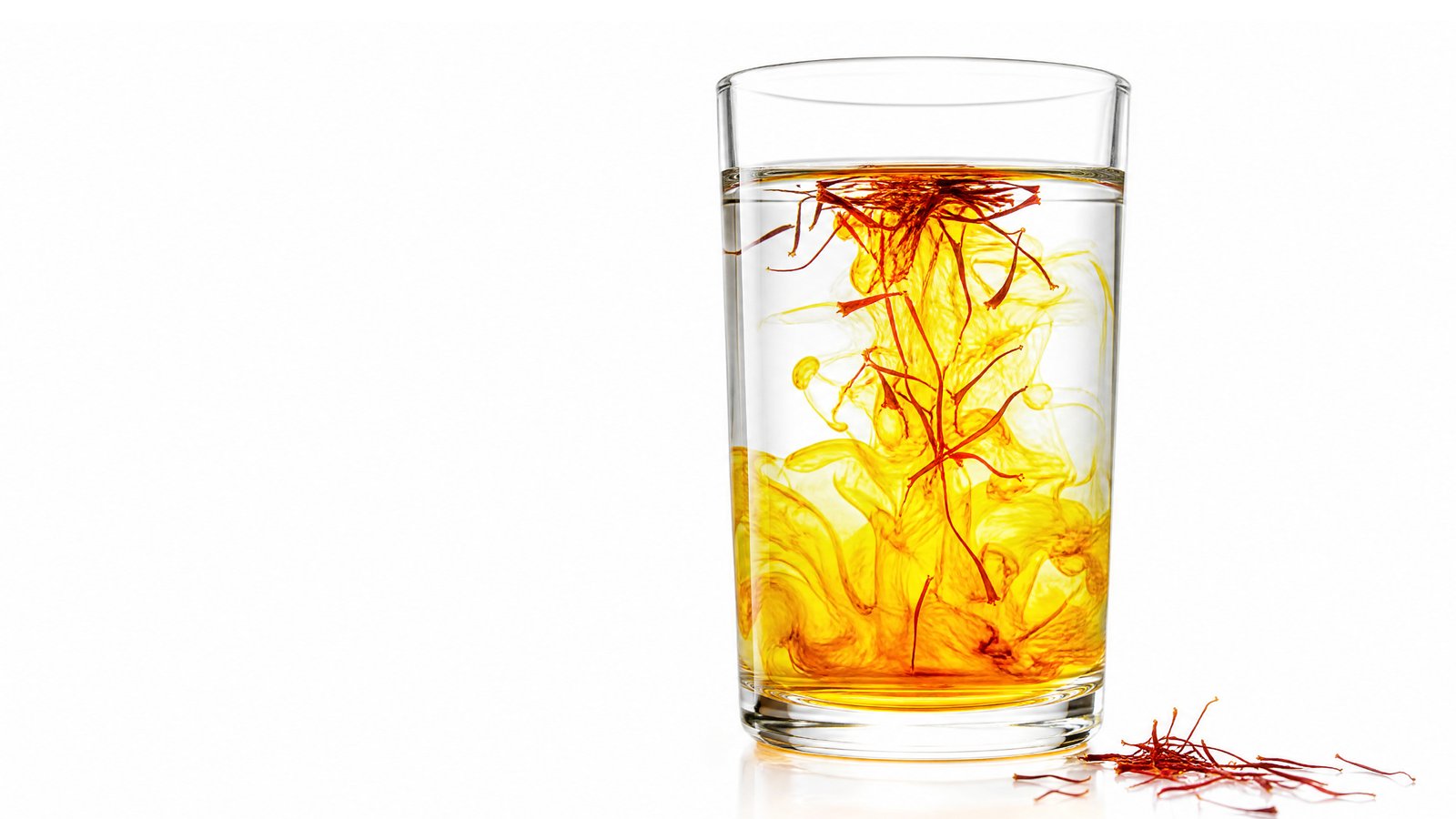
Saffron is known as a spice, but it also colors food. The U.S. Food and Drug Administration (FDA) lists saffron, the dried stigma of the Crocus sativus flower, as a color additive that may be used to color foods generally. It is exempt from certification, the batch testing FDA requires for synthetic dyes such as Red No. 40.
Saffron powder and extracts give manufacturers flexibility in flavoring and coloring formulations, Praveen Kumar, a senior research analyst at Mordor Intelligence, told FoodNavigator.
Why It Matters
Food makers are moving off synthetic dyes ahead of FDA’s voluntary end-of-2027 target for the six that remain. Natural colors come from crops, and some come from a single region. Saffron shows what that means in practice: a supply chain that runs mostly through one country, and that now depends on air freight out of a war zone.
Sources: FoodNavigator; 21 CFR 73.500 (Saffron).