Döhler Expands Natural Color Production in Türkiye and Plans Color Plants in Mexico
The German ingredients company is adding black carrot and beetroot color capacity at its Karaman site, targeted for the end of 2026, and plans dedicated natural color production in Mexico.

As food makers move away from synthetic dyes, the companies that make the replacements are building. Döhler, the German natural ingredients company, is expanding natural color production in Türkiye and plans dedicated color facilities in Mexico.
TLDR
- Döhler is expanding black carrot and beetroot color production at its site in Karaman, Türkiye, with completion targeted for the end of 2026.
- New equipment will boost anthocyanin and betanin colors, powder production and natural brown colorants.
- Döhler plans dedicated natural color production in the next phase of its Mexico site.
- The company did not disclose investment amounts or capacity figures.
The Türkiye Expansion
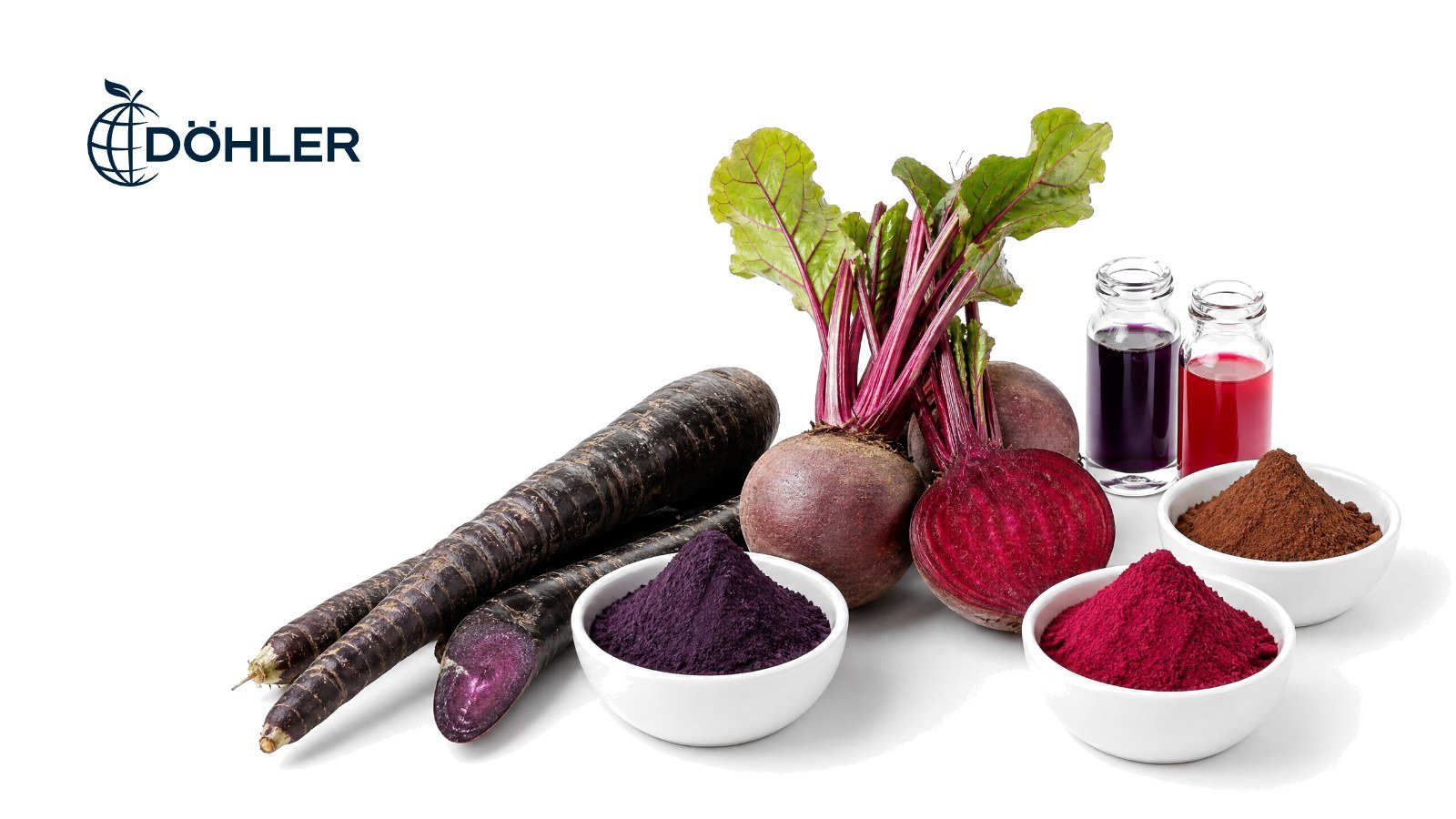
At Karaman, Döhler is adding new resin columns and an evaporator to increase capacity for anthocyanin colors, the purples and reds from black carrots, and betanin colors, the reds from beetroot, Food Ingredients First reported. A new spray dryer will increase powder production, a jet mill will expand micronization, and the project includes a roasting unit for natural brown colorants and a ball mill for color suspensions. Completion is targeted for the end of 2026.
The Mexico Plan
Döhler opened the first phase of a site at the Arco 57 Industrial Park in the State of Mexico in July, as a hub for natural ingredients and technical development. The next phase includes dedicated natural color production. Bringing production closer to customers in Mexico, Latin America and North America is meant to support shorter delivery times, more efficient logistics and products tailored to regional needs, with local raw-material sourcing also part of the plan, Food Ingredients First reported. Döhler has not given a date for the color facilities.
“Color plays an essential role in the sensory experience of F&B, but our customers need more than a broad portfolio,” said Jakob Schjoerring-Thyssen, Döhler’s global head of business unit colors. “They need solutions that can be developed efficiently, produced reliably, and scaled across markets.”
Why It Matters
FDA has asked food companies to voluntarily remove the six remaining synthetic dyes, including Red No. 40 and Yellow No. 5, by the end of 2027. Natural colors depend on crops such as black carrots and beets and on the plants that process them. Cost remains a hurdle: Food Ingredients First noted that higher costs complicate the switch to natural colors, and that some manufacturers are preparing alternative formulations while holding back on commercial conversion.
Source: Food Ingredients First.