India Slaps Anti-Dumping Duties on Chinese Titanium Dioxide, but Spares the Food-Grade Supply
India reimposed duties of $460 to $681 per tonne on Chinese titanium dioxide for five years, with food additive uses exempt. The whitener is banned in EU food and under petition at FDA.

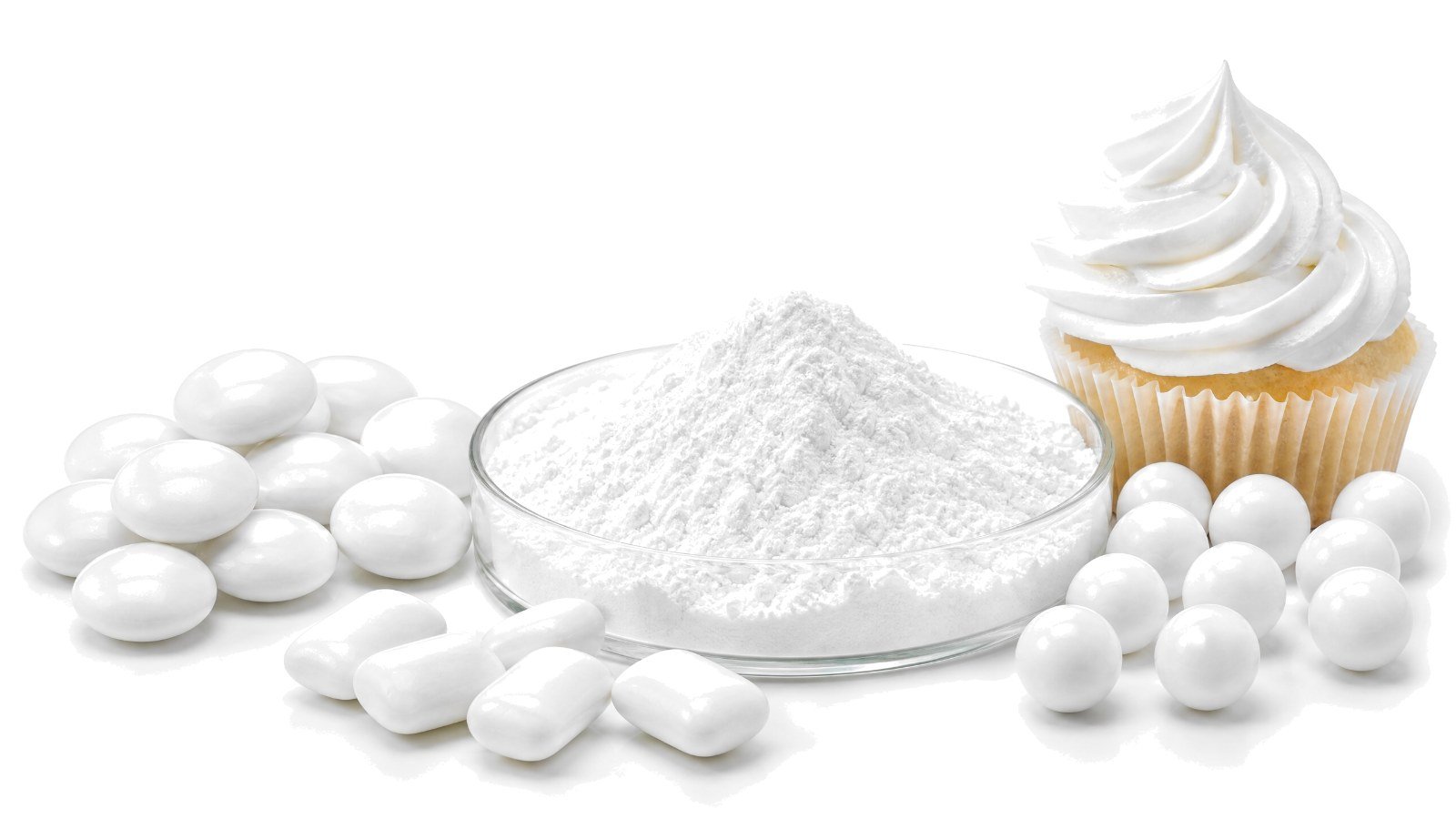
Titanium dioxide is the white pigment in paint, and also the whitener behind bright candy shells, frostings and coated gum. India has just put trade duties back on Chinese imports of it, and carved out the grade that goes into food.
TLDR
- India reimposed anti-dumping duties of $460 to $681 per metric tonne on titanium dioxide from China, for five years.
- Titanium dioxide used in food additives, pharmaceutical tablet coatings, cosmetics and sunscreens is exempt.
- The additive, known as E171, has been banned in food in the European Union since 2022.
- In the U.S. it is still allowed, while FDA reviews a 2023 petition to revoke its use in food.
The Duties
India’s Finance Ministry issued the duties on October 24 after the Directorate General of Trade Remedies found that Chinese titanium dioxide was being sold in India at dumped prices, injuring Indian producers, the Free Press Journal reported. Rates vary by producer: $609 per tonne for Anhui Gold Star Titanium Dioxide (Group), $563 for several other Anhui and Shandong producers, $460 for specified LB Group manufacturers and Henan Billions Advanced Material, $510 for other cooperating producers, and $681 for other categories, including some shipments routed through third countries.
The exemptions matter for food. Titanium dioxide used in food additives, pharmaceutical tablet coatings, cosmetics, sunscreens and textile manufacturing is excluded, as are certain nano-sized products below 100 nanometres for designated uses.
Why Titanium Dioxide Is in Food
In food, titanium dioxide works as a color additive that makes products look bright, opaque white. It shows up in candy coatings, frostings, chewing gum, some dairy products and supplements. In the U.S., FDA allows it under 21 CFR 73.575, as long as titanium does not exceed 1% of the food by weight. Companies can list it as “artificial color” or “colored with titanium dioxide.”
Banned in Europe, Under Review in the U.S.
The European Union banned titanium dioxide in food in 2022 after the European Food Safety Authority concluded in 2021 that it “could not rule out genotoxicity,” meaning possible damage to DNA, based on tests on titanium dioxide nanomaterials.
FDA has not followed. The agency says some of the tests EFSA relied on used materials that don’t represent the food additive, that it found no genotoxicity concerns, and that the United Kingdom, Canada, Australia and New Zealand did not agree with EFSA’s assessment. In 2023, the Joint FAO/WHO Expert Committee on Food Additives, which advises the United Nations’ food and health agencies, concluded that titanium dioxide added to food is safe.
In April 2023, consumer groups including the Environmental Defense Fund, the Center for Science in the Public Interest and the Environmental Working Group petitioned FDA to revoke the additive’s use in food. FDA says it is still reviewing that petition.
Brands and States Are Moving Anyway
Mars removed titanium dioxide from U.S. Skittles at the end of 2024, Bloomberg reported. At the state level, Texas has barred it from free and reduced-price school meals, Arizona restricts it in school meals starting this school year, and New York lawmakers have considered a broader ban, according to state tracking by RegBase.
Why It Matters
Titanium dioxide is the clearest example of an additive regulators can’t agree on: banned in EU food, still approved by FDA and still under petition. India’s decision to protect its own producers while exempting food-grade supply is a reminder that the same white powder moves through very different markets. For U.S. brands, the pressure to remove it is coming from shoppers, states and reformulation pledges, not from FDA.
Sources: Free Press Journal; FDA; Bloomberg; RegBase.