White House Renews Push for a Federal Definition of Ultra-Processed Food After Stephen Miller Becomes Chief of Staff
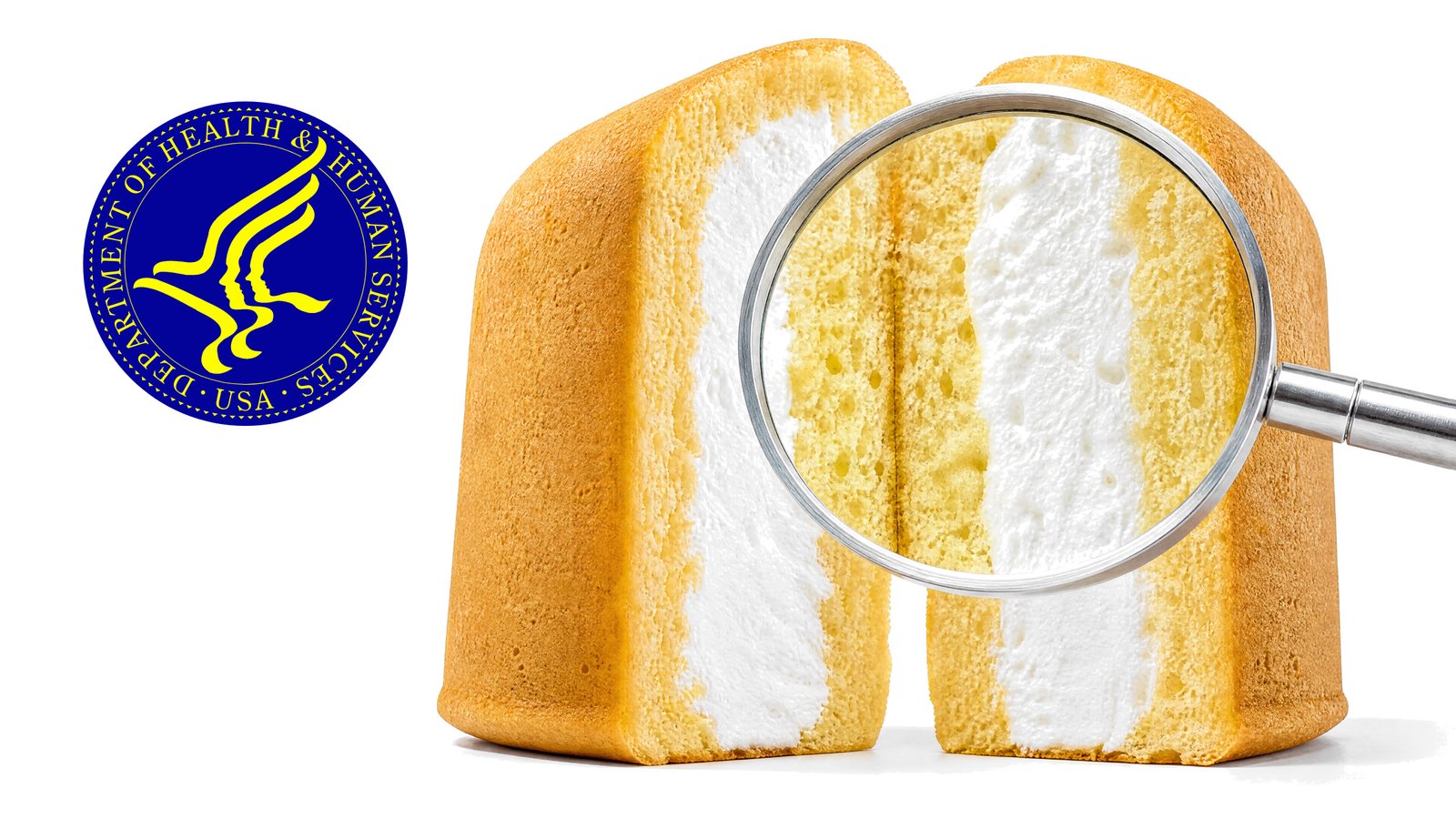
The Trump administration is again pushing to finalize the first federal definition of ultra-processed food, Politico reported. Meetings with the food industry have gained momentum since Stephen Miller became chief of staff, while the proposed text remains unpublished.

The Trump administration is again pushing to finalize the first federal definition of ultra-processed food, Politico reported on Nov. 13. Two people familiar with the discussions told Politico that meetings between administration officials and the food industry have gained momentum since Stephen Miller became White House chief of staff.
TLDR
- The Department of Health and Human Services (HHS) and the Agriculture Department sent a proposed definition for final review in August. It has not been published.
- Miller took over from Susie Wiles as chief of staff on Nov. 9, the start date President Trump announced. One Politico source said he has given signals of support for the policy.
- An HHS spokesperson denied that the work had ever stalled.
- Food industry groups oppose a federal definition, citing scientific disagreement, legal exposure and grocery prices.
What Changed at the White House
President Trump announced on Nov. 6 that Miller, then deputy chief of staff, would replace Wiles, NPR reported. Miller and his wife, Katie Miller, have backed the Make America Healthy Again (MAHA) movement, according to Politico.
Politico described the renewed push as the first post-election olive branch to the MAHA movement. It reported that the effort stalled multiple times in the months before Election Day amid competing White House priorities and food industry pushback. The final form of the policy is still uncertain, the outlet reported.
Calley Means, a former adviser to Health Secretary Robert F. Kennedy Jr., resigned in October. He later accused Wiles of blocking the definition and other MAHA priorities. Through a spokesperson, Wiles called his claims false and defamatory.
Where the Definition Stands
HHS and the Agriculture Department announced on Aug. 10 that they had submitted the proposed definition for final review, Feedstuffs reported. The agencies said it reflects feedback from thousands of stakeholders. The same announcement included a proposed Food and Drug Administration (FDA) rule that would require companies to notify the agency of “generally recognized as safe” (GRAS) ingredient determinations.
HHS has said the definition is meant to give federal nutrition research a consistent standard. Many MAHA supporters see it as a first step toward labeling ultra-processed food, Politico reported. HHS spokesperson Emily Hilliard told Politico the effort never stalled.
The Industry Position
Packaged food companies argue that scientists disagree on how to define ultra-processed food and on whether processing itself lowers nutritional value, Politico reported. They also cite possible legal liability and higher grocery prices. Labels could push shoppers away from packaged foods, they argue, while GLP-1 weight-loss drugs are already depressing food sales.
Rhonda Bentz, executive vice president of public affairs at the Consumer Brands Association, told Politico the government should not advance policies that make everyday essentials more expensive. Politico also cited a University of Chicago analysis that put the industry cost of mandatory ultra-processed food labels at $14.2 billion, which it said would be passed on to shoppers.
Why It Matters
A federal definition would give government researchers one standard for ultra-processed food, according to HHS. MAHA supporters see it as a first step toward labels, and the industry says it could bring legal exposure, so its exact wording matters to brands across the grocery store.
The text is still under review, so its scope is unknown. Brands and ingredient suppliers will be able to see which products fall inside it only once it is released.
Sources: Politico, via Yahoo News (Nov. 13, 2026); Newsmax, via Yahoo News (Nov. 13, 2026); Feedstuffs (Aug. 2026); NPR (Nov. 6, 2026).