German Court Ordered Unilever to Stop Using a ‘Sustainable Cultivation’ Claim on Pfanni Dumpling Dough
The Hamburg Regional Court found the claim on Pfanni's potato dumpling dough misleading because Unilever did not say what the criteria were or how they were enforced. Unilever said it accepts the ruling.

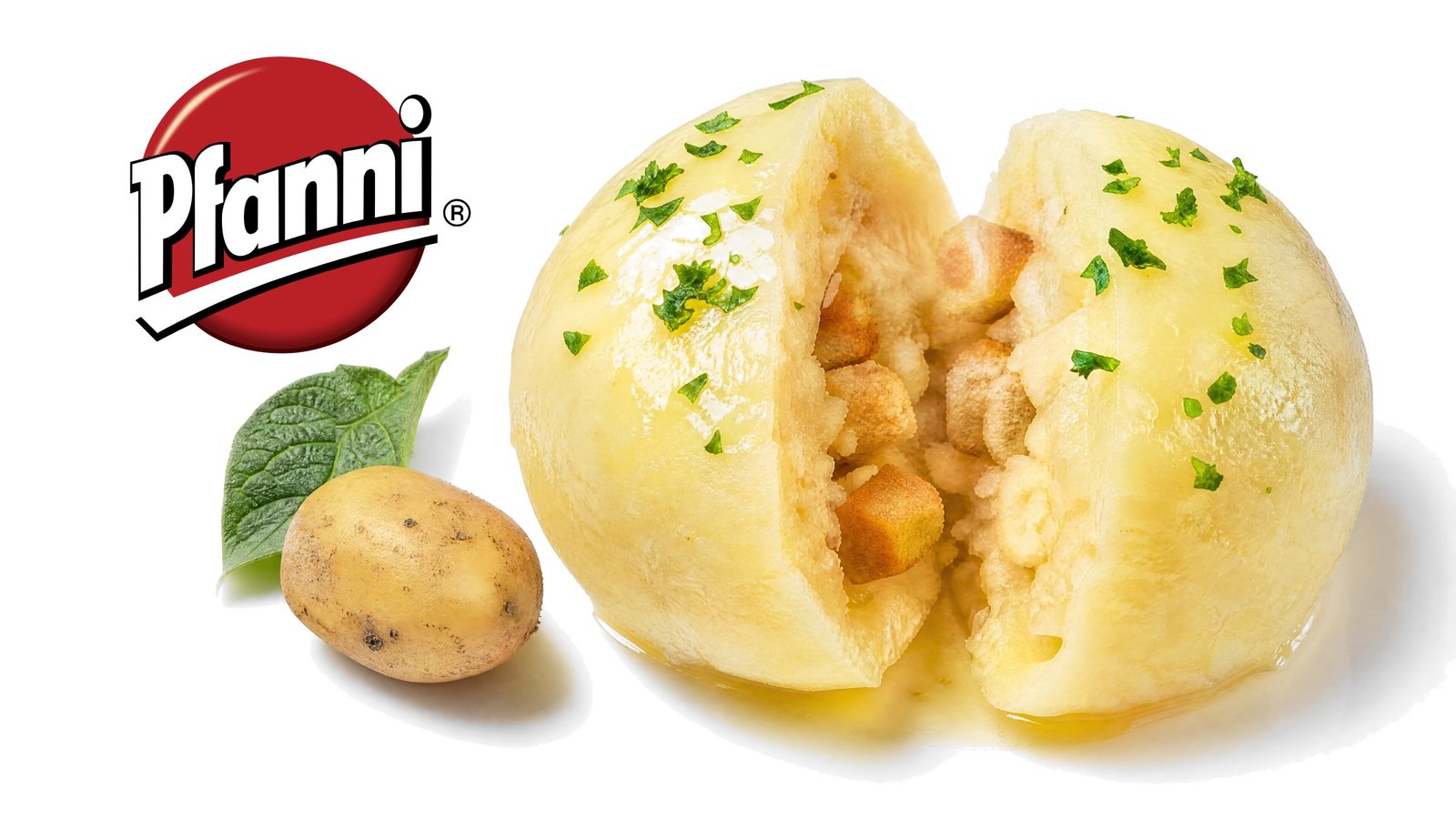
A court in Hamburg, Germany, has ordered Unilever to stop using the claim “from sustainable cultivation” on its Pfanni dough for potato dumplings. The environmental group Deutsche Umwelthilfe (DUH) brought the case and announced the ruling on Nov. 20, 2026, saying it came the day before. Unilever said it accepts the decision and had already removed the claim from packs.
TLDR
- The Hamburg Regional Court (case 327 O 449/25) upheld DUH’s suit over the German wording “aus nachhaltigem Anbau,” or “from sustainable cultivation.”
- The court found the claim misleading because the package did not say which farming criteria applied or how they were checked, according to DUH.
- Unilever said, according to Just Food, that Pfanni dumpling dough has shipped to retailers without the claim since May 2026.
- Neither DUH nor Just Food said whether the ruling can still be appealed.
What the Court Found
According to DUH, the court said the word “sustainable” is vague and carries a particularly high risk of misleading shoppers. It compared the term to “climate neutral.” A company using such a claim must name the criteria behind it, the court found. It must also name the steps that make sure those criteria are met.
The Pfanni package did not give that information, even though there was room on the back, DUH said. The court also found that the guidelines Unilever gave its potato growers were not binding. Without enforcement, it said, the blanket claim was misleading.
Unilever’s Response
Unilever said it accepts and respects the ruling, according to Just Food. It said it changed its website after a DUH cease-and-desist letter in September 2025 and took the claim off the packaging. Since May 2026, Pfanni dumpling dough has gone to retailers without the statement, the company said. Unilever also said it has reviewed and updated every environmental claim on its German food packaging in response to new legal requirements.
The Wider Rules
DUH noted that the case began before Germany’s stricter rules on environmental claims took effect on Sept. 27, 2026. Those rules implement the EU’s Empowering Consumers for the Green Transition directive. Just Food pointed to a similar move in New Zealand. In April, Fonterra said pairing “100% New Zealand” with “Grass Fed” on Anchor butter was likely misleading, and it dropped the combined claim.
Why It Matters
DUH called the ruling a precedent that sets minimum standards for products advertised as sustainable. The court’s test is to name the criteria and show how compliance is ensured. Unilever had already changed the label before the court ruled.
Sources: Deutsche Umwelthilfe press release (German), Just Food.