Federal Ultra-Processed Food Definition Covering Artificial Colors and Sweeteners Nears Release, Reports Say
A proposed federal definition would count foods with artificial colors, preservatives, added flavors or low-calorie sweeteners as ultra-processed, The Center Square reported. The Wall Street Journal reported the White House is moving ahead, according to a summary by food safety lawyer Bill Marler.

A federal definition of ultra-processed food that would count foods made with artificial colors, preservatives, added flavors or low-calorie sweeteners appears close to release, The Center Square reported on Nov. 25. The Wall Street Journal reported that the White House is moving ahead with the proposal, according to a summary by food safety lawyer Bill Marler.
TLDR
- The Center Square reported that foods with preservatives, artificial colors, added flavors or low-calorie sweeteners would be defined as ultra-processed.
- The proposal would place around 60% of the U.S. food supply in the ultra-processed category, the Journal reported, according to a summary by food safety lawyer Bill Marler.
- According to Marler’s summary, a document the Journal reviewed says the definition would be for research purposes and would not label the foods harmful.
- Infant formula and foods that meet the Food and Drug Administration’s (FDA) “healthy” standard would be exempt, both outlets reported.
What the Definition Would Cover
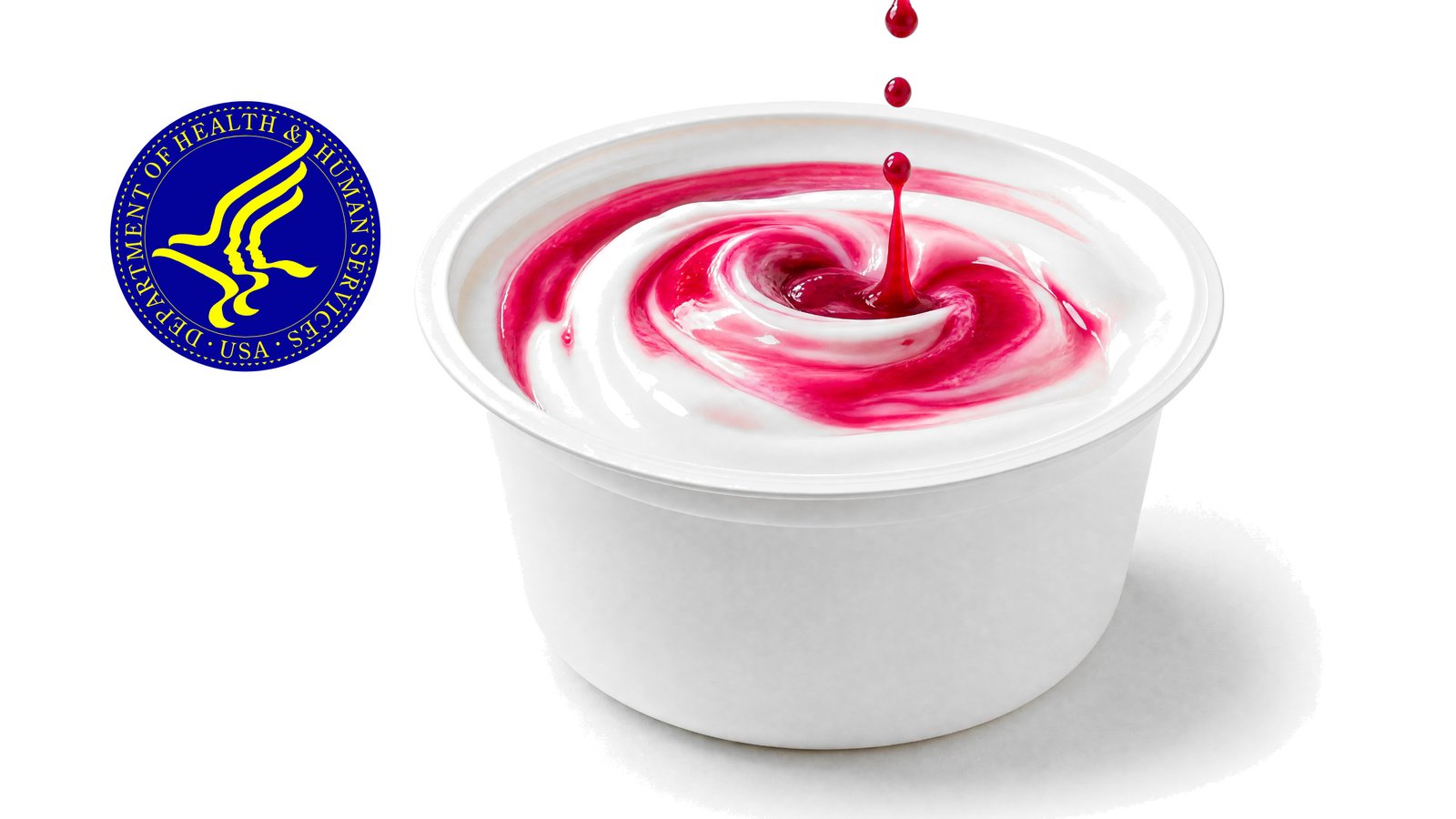
The proposal would cover many packaged breads, flavored yogurts and instant oatmeals, The Center Square reported on Nov. 25. It would exempt infant formula, dietary supplements and foods that meet federal standards for “healthy” foods, the outlet reported.
The Journal’s report, by Jesse Newman and Liz Essley Whyte, was summarized the same day by Marler on his blog. He wrote that reporters saw a document describing the introduction to the definition. According to his summary, additives used for food safety would be exempt, and the definition would not be used for state laws, regulations or lawsuits.
The final text has not been published. The criteria above come from these reports, not from a released government document.
How It Got Here
The Department of Health and Human Services (HHS) and the Agriculture Department sent the proposed definition for final review in August. The first federal request for public input came in July 2025.
The effort stalled before the midterm elections, according to Marler’s summary of the Journal’s report. Stephen Miller, now White House chief of staff, picked it back up in recent weeks. The proposal is expected soon, followed by a public comment period, the Journal reported.
The Atlantic reported on Nov. 22 that HHS could release the definition as soon as the following week, according to The Center Square.
The Industry Position
Food producers say the definition could raise grocery bills and lead to more lawsuits, The Center Square reported. The outlet cited an October University of Chicago study estimating that labeling could cost $14.2 billion a year, or about $60 a year per household. The report did not say who funded the study.
The definition itself would not create new restrictions on manufacturers, The Center Square reported. Health Secretary Robert F. Kennedy Jr. has said he wants warning labels on ultra-processed food.
Litigation is already underway. San Francisco City Attorney David Chiu sued 10 major food companies in December 2025, alleging they sold addictive foods that contributed to chronic disease, the outlet reported.
Why It Matters
If the reported criteria hold, artificial colors would be one factor that places a food in the federal ultra-processed category for research. The definition would arrive as a research tool first. How it is used later is still open.
Sources: Marler Blog (Bill Marler, Nov. 25, 2026), summarizing The Wall Street Journal (Jesse Newman and Liz Essley Whyte, “Coming Soon: RFK Jr.’s Long-Delayed Ultraprocessed Food Definition,” Nov. 25, 2026; paywalled, not read directly); The Center Square, via Eurasia Review (Tom Joyce, Nov. 25, 2026); Newsmax, via Yahoo News (Nov. 13, 2026).