Cargill’s Truvia Is the Latest Stevia Sweetener Sued Over Erythritol
A suit filed Oct. 29 says Truvia's stevia leaf sweetener is mostly erythritol. It follows an Oct. 23 suit over Walmart's Great Value stevia sweeteners.

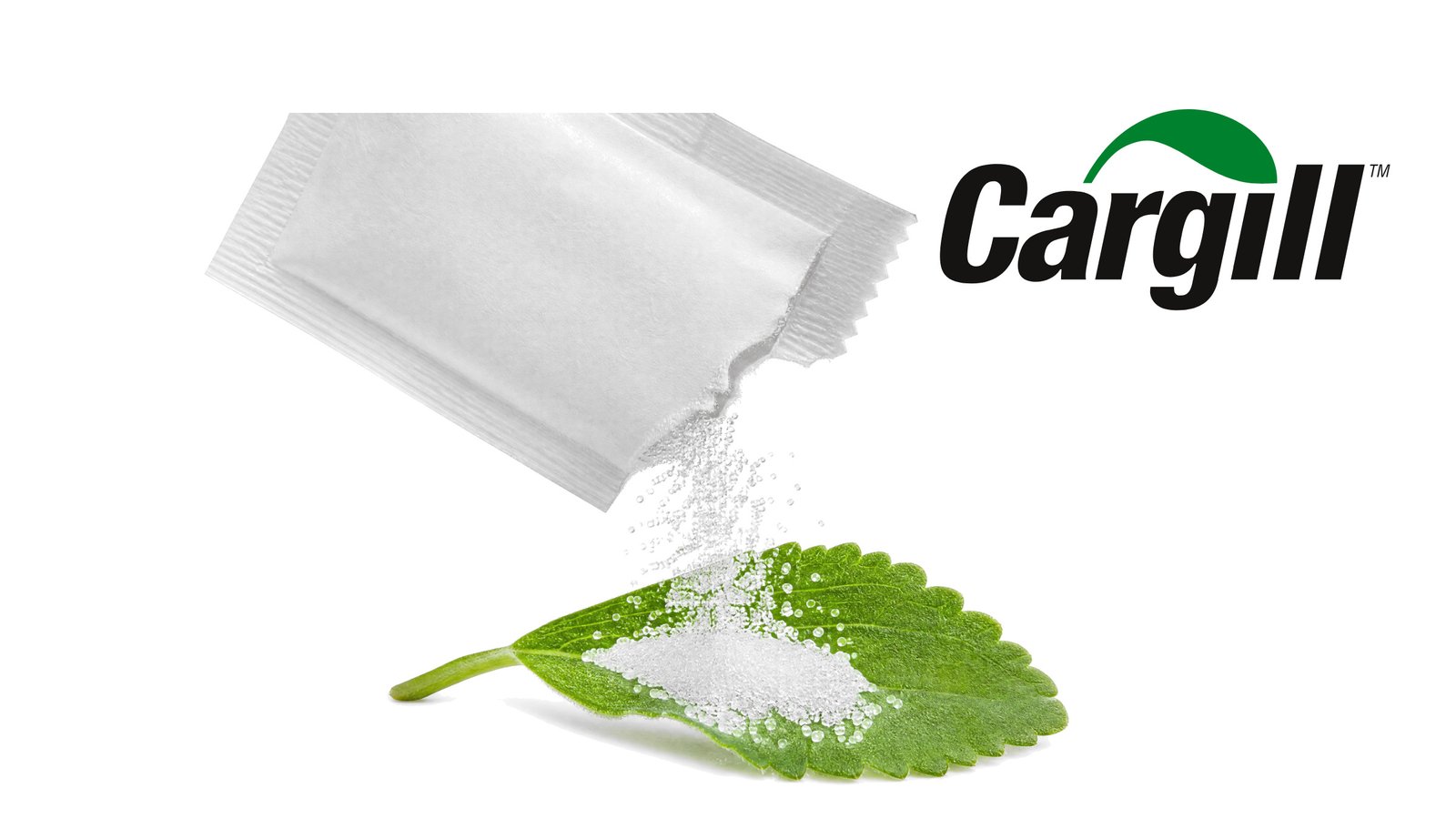
Cargill has been sued over Truvia, its stevia leaf sweetener, in a proposed class action that says the product is mostly erythritol. The suit was filed Oct. 29 in federal court in Los Angeles and reported Nov. 6 by ClaimDepot. It follows an Oct. 23 suit making a similar claim about Walmart’s Great Value stevia sweeteners.
TLDR
- The Truvia suit, Ringler v. Cargill, challenges front-label claims that the product is a calorie-free sweetener derived from the stevia leaf with no artificial sweeteners, according to ClaimDepot.
- The Walmart suit, Winter v. Walmart, cites lab tests commissioned by the plaintiff’s lawyers that found 94.44% erythritol in one Great Value product and 59.12% in another.
- Both labels list erythritol first in the ingredient list. The suits argue the front labels give a different impression.
- Neither company’s response appeared in the reports reviewed. No court has ruled in either case.
The Truvia Case
Plaintiff Adina Ringler filed the suit in the U.S. District Court for the Central District of California, ClaimDepot reported. The complaint says erythritol makes up most of the product and appears on the front panel only in small type. It says erythritol is made by fermenting dextrose with yeast, then filtering and drying it into crystals.
The complaint also cites a 2008 Food and Drug Administration (FDA) letter that describes Cargill’s multistep purification of a stevia compound using water, resin and alcohol. The plaintiff argues the resulting extract no longer resembles the leaf. Truvia’s monk fruit sweeteners are not part of the case.
The suit brings nine claims, including under California and Minnesota consumer protection laws, plus breach of warranty, misrepresentation and unjust enrichment. It seeks refunds, damages, an order halting the challenged marketing and corrective advertising for buyers nationwide, with a California subclass. ClaimDepot reported no response from Cargill. The complaint itself could not be reviewed for this story.
The Walmart Case
Plaintiff Lee Ann Winter filed her suit Oct. 23 in the U.S. District Court for the Northern District of California. It targets Great Value No Calorie Stevia Packets and Great Value No Calorie Stevia Sweetener, which carry the words “made with Stevia Extract.”
According to the complaint, an accredited lab tested both products in April 2026. The packets measured 94.44% erythritol, which the complaint says leaves only a trace of stevia leaf extract and natural flavors. The 9.8-ounce sweetener measured 59.12% erythritol, and the complaint says the balance is mostly dextrose and maltodextrin. The suit seeks to represent California buyers.
The complaint also cites a Cleveland Clinic study that linked high blood levels of erythritol to heart attack and stroke risk. The plaintiff does not claim a personal injury.
What the Rules Say
Federal rules require ingredients to be listed in descending order of weight, so erythritol appears first on both labels. FDA has responded with “no questions” letters to several notices concluding that erythritol is generally recognized as safe (GRAS), including one from Cargill. The suits do not challenge whether erythritol is legal. They argue that the front of each package leads buyers to expect a sweetener made mostly of stevia.
Truvia has been in court before. In 2014, Cargill agreed to a $6.1 million settlement of class actions that challenged Truvia’s “natural” claims, FoodNavigator-USA reported. Cargill did not admit liability.
Why It Matters
Stevia leaf extract is intensely sweet and is used in very small amounts, so tabletop stevia products rely on bulking agents. Two suits filed six days apart in October ask whether front labels that lead with stevia tell buyers enough about what fills the packet. Both cases are at the complaint stage.
Sources: ClaimDepot, on Ringler v. Cargill; Winter v. Walmart complaint (via Courthouse News); 21 CFR 101.4 (ingredient order); FDA GRAS Notice 789 (erythritol, Cargill); FoodNavigator-USA (2014).