Starbucks Is Phasing Out Its Impossible Breakfast Sandwich After Six Years
The sandwich was the only item on Starbucks' advertised U.S. menu with plant-based meat. Bloomberg says it leaves menus this month.

Starbucks is discontinuing its Impossible Breakfast Sandwich in the U.S. this month, Bloomberg reported on Nov. 3, 2026. The sandwich, built around an Impossible Foods sausage patty, was the only item on Starbucks’ advertised U.S. menu with plant-based meat, according to Bloomberg.
TLDR
- Starbucks launched the sandwich in 2020. It is being phased out during November 2026, according to Bloomberg.
- Starbucks still sells meatless options, such as an egg, pesto and mozzarella sandwich. No plant-based meat replacement has been announced.
- Bloomberg said the move extends a trend of restaurant chains stepping back from plant-based meat.
- U.S. broadline distributor foodservice sales of plant-based proteins fell 7% in 2025, according to the Good Food Institute.
What Starbucks Said
Starbucks told Bloomberg that baristas can recommend another sandwich in its place. The company said it reviews its menu regularly against several criteria to meet the needs of its customers and its business.
Impossible Foods said it was proud of a partnership that ran more than six years, according to Bloomberg. The company said it remains committed to making plant-based meat more accessible.
The removal comes as Starbucks launches its 2026 holiday menu on Nov. 5. TheStreet noted that CEO Brian Niccol outlined plans in January 2025 to cut about 30% of food and beverage menu items by the end of fiscal 2025. The cuts are part of the company’s Back to Starbucks strategy.
What Was in the Sandwich
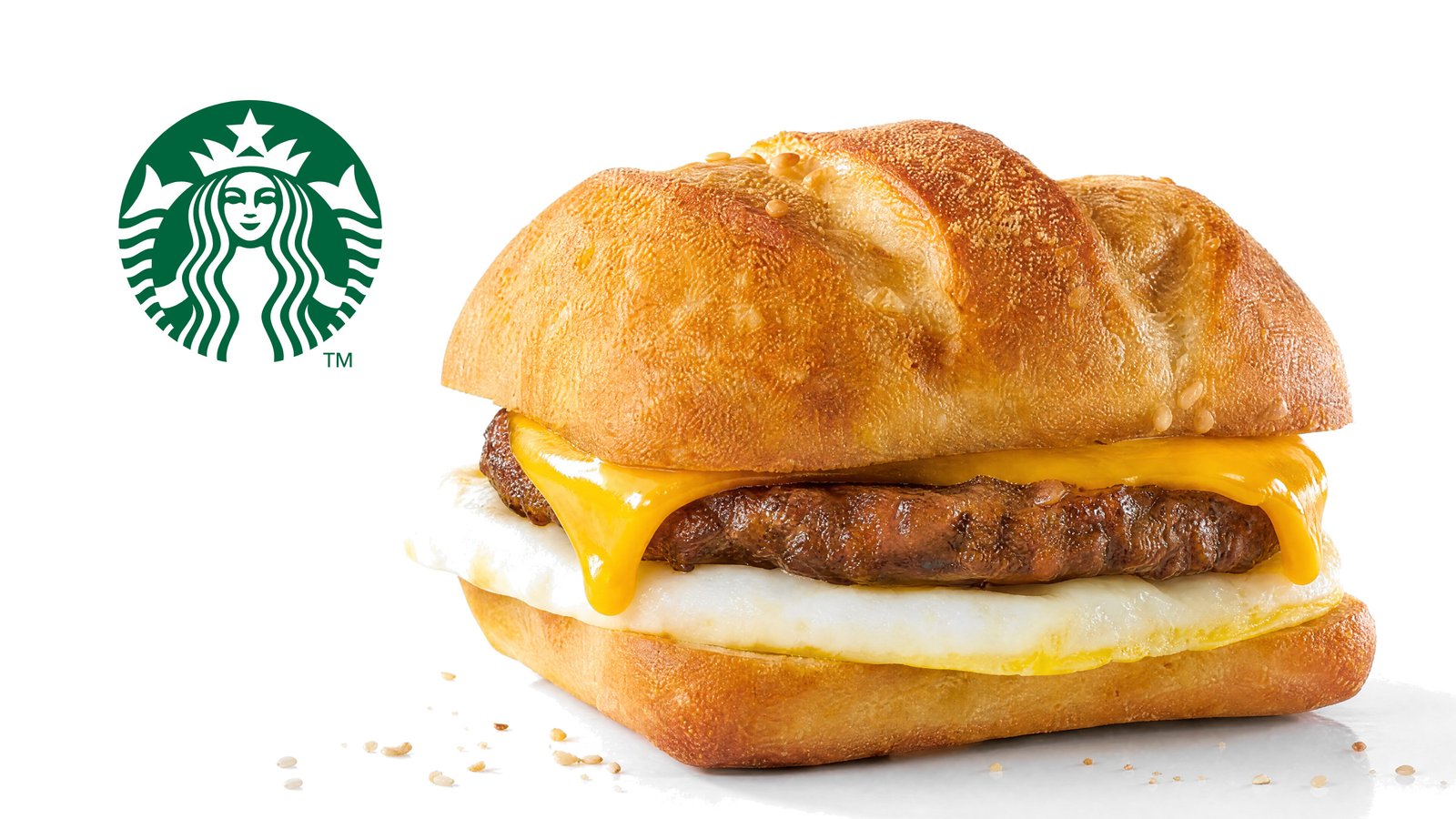
Starbucks lists the sandwich at 420 calories and 21 grams of protein. It paired an Impossible sausage patty with a fried egg patty and sharp cheddar on a sesame ciabatta bun. The egg and cheese made it vegetarian, not vegan.
The plant-based patty’s ingredient list on Starbucks’ site starts with water, soy protein concentrate, sunflower oil and coconut oil. It also includes methylcellulose, a binder, and soy leghemoglobin, the heme protein Impossible makes through yeast fermentation. FDA’s 2019 color additive listing for soy leghemoglobin covers ground beef analogues, where it imparts a reddish-brown color. Starbucks’ ingredient list does not state its role in the sausage patty. The cheddar’s label lists annatto “for color.”
A Category Under Pressure
Bloomberg reported that plant-based meat has been hurt by shrinking demand. Diners are stepping back from products that mimic meat, it said, and restaurants are cutting them over slow sales. Bloomberg also said many consumers have grown wary of heavily processed foods, including some plant-based meats with long ingredient lists.
The Good Food Institute’s 2025 figures show the same pressure. U.S. retail dollar sales of plant-based meat and seafood fell 10%, and unit sales fell 11%, based on SPINS data. Broadline distributor foodservice sales of plant-based proteins totaled $291 million, down 7% in dollars and 5% in pounds, based on Circana data.
Why It Matters
Restaurant partnerships have been an important way to introduce plant-based meat to mainstream customers, TheStreet noted. Starbucks’ exit removes another high-profile placement. Bloomberg linked the wider retreat in part to consumer distrust of heavily processed foods with long ingredient lists. That question now reaches every protein on the menu board, plant or animal: how short can the ingredient list get?
Sources: Bloomberg, Quartz, TheStreet, Green Queen, Starbucks nutrition and ingredients, Good Food Institute, 21 CFR 73.520