
McDonald’s Must Face a Class Action Over What Is in the McRib, a Judge Rules
A federal judge in Chicago declined to dismiss a proposed class action claiming the McRib's name and rib-shaped patty mislead buyers. McDonald's calls the claims meritless.

McDonald’s must face a proposed class action that accuses it of misleading customers about what is in the McRib, a federal judge in Chicago ruled on Oct. 30, 2026. U.S. District Judge April Perry rejected the company’s request to dismiss the case, though she dismissed some of its claims, Reuters reported.
TLDR
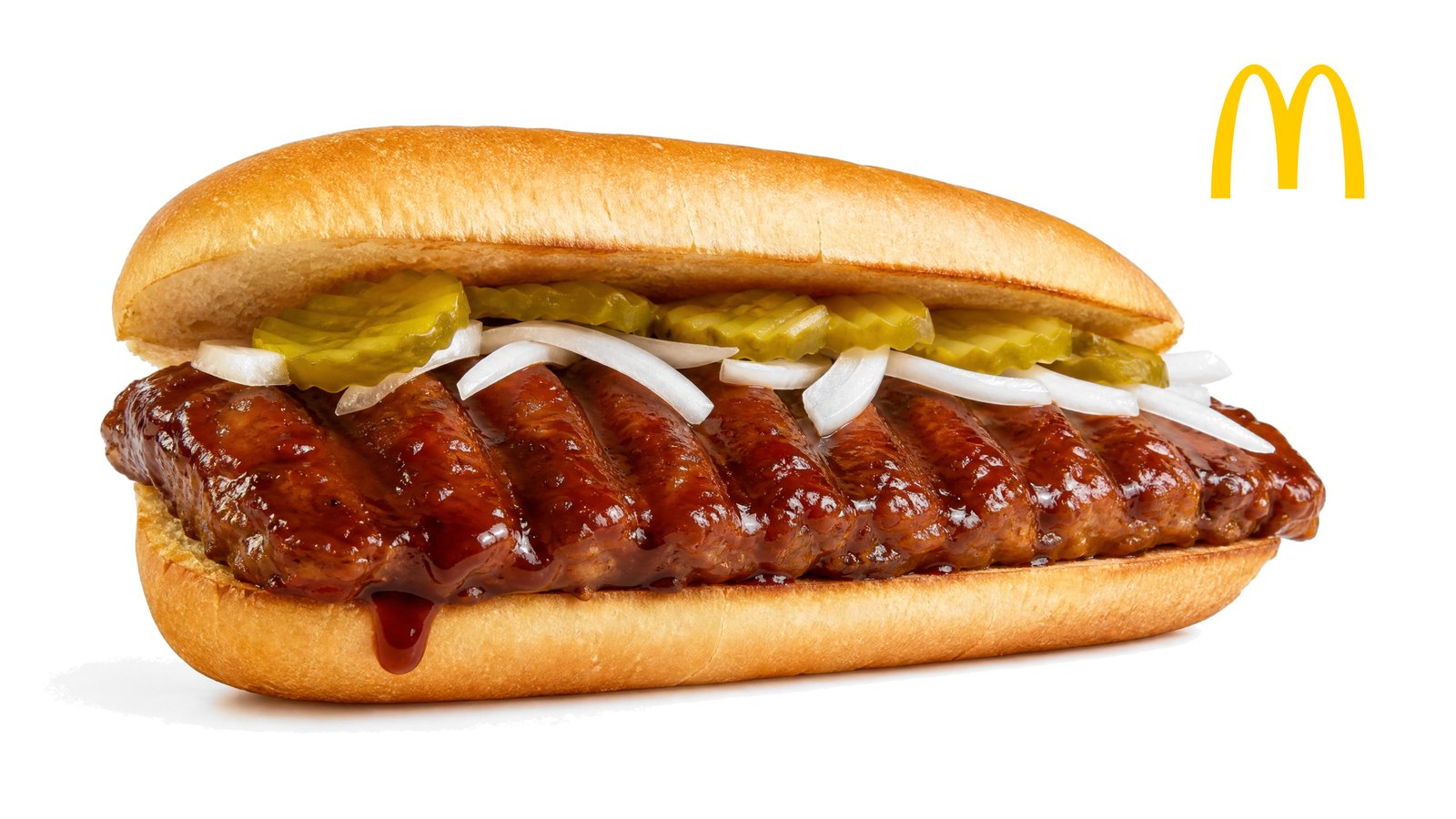
- The suit says McDonald’s shapes McRib patties with ridges to look like pork ribs, leading buyers to expect rib meat.
- The plaintiffs say the sandwich is made from lower-grade pork, including shoulder, heart, tripe or stomach. McDonald’s says it does not use hearts, tripe or stomach in the McRib.
- Perry said it was premature to accept McDonald’s argument that no reasonable consumer could expect rib meat in a sandwich called the McRib.
- The ruling is not a finding that McDonald’s did anything wrong. The case is at an early stage and no class has been certified.
What the Judge Decided
Perry wrote that the plaintiffs’ understanding of the name “is not unreasonable or fanciful,” according to Reuters. She noted that McDonald’s website describes the sandwich only as containing pork, and that consumers need not research a $7 sandwich before buying it.
She also said advertising that highlights the patty’s rib-like shape could support a claim that McDonald’s intended to defraud consumers, while adding that the plaintiffs will need further proof. Reuters reported that she dismissed some claims but did not detail which ones.
What the Lawsuit Claims
Peter Le and three other plaintiffs filed the case, Le v. McDonald’s Corp., on Dec. 23, 2025, in the U.S. District Court for the Northern District of Illinois, Top Class Actions reported. They say McDonald’s marketing led them to pay a premium for a sandwich without the rib meat they expected, and that the McRib is among the chain’s most expensive items.
The proposed class covers U.S. consumers who bought a McRib in the past four years, with subclasses in California, New York, Illinois and Washington, D.C. The plaintiffs seek damages, restitution and changes to the marketing. Their lawyer, Thiago Coelho of Wilshire Law Firm, said his clients will keep seeking accountability, according to Reuters.
McDonald’s Response
McDonald’s argued that distinctive product names do not fool reasonable consumers, and that a preference for a certain cut of pork does not make truthful marketing fraudulent, Reuters reported. The company said it does not use hearts, tripe or stomach in the McRib, that it has always been transparent about its ingredients, and that the claims are meritless.
McDonald’s has sold the McRib on and off since 1981. Fast-food chains have faced other suits over how food is shown in ads and on menu boards, including cases accusing McDonald’s, Burger King and Wendy’s of making burgers look larger than they are.
Why It Matters
The case tests how far a product’s name and shape can go before they count as a claim about its ingredients. Perry’s ruling means that question will be argued on evidence rather than settled at the start. Names, shapes and ad imagery are now being argued in court as statements about what is in the food, alongside the ingredient list itself.
Sources: Reuters, via KFGO (Oct. 30, 2026); Top Class Actions (Jan. 2, 2026).