Is Allulose Sugar? A Federal Court Said Yes, and Lawsuits Have Followed at Target, Liquid Death and KIND
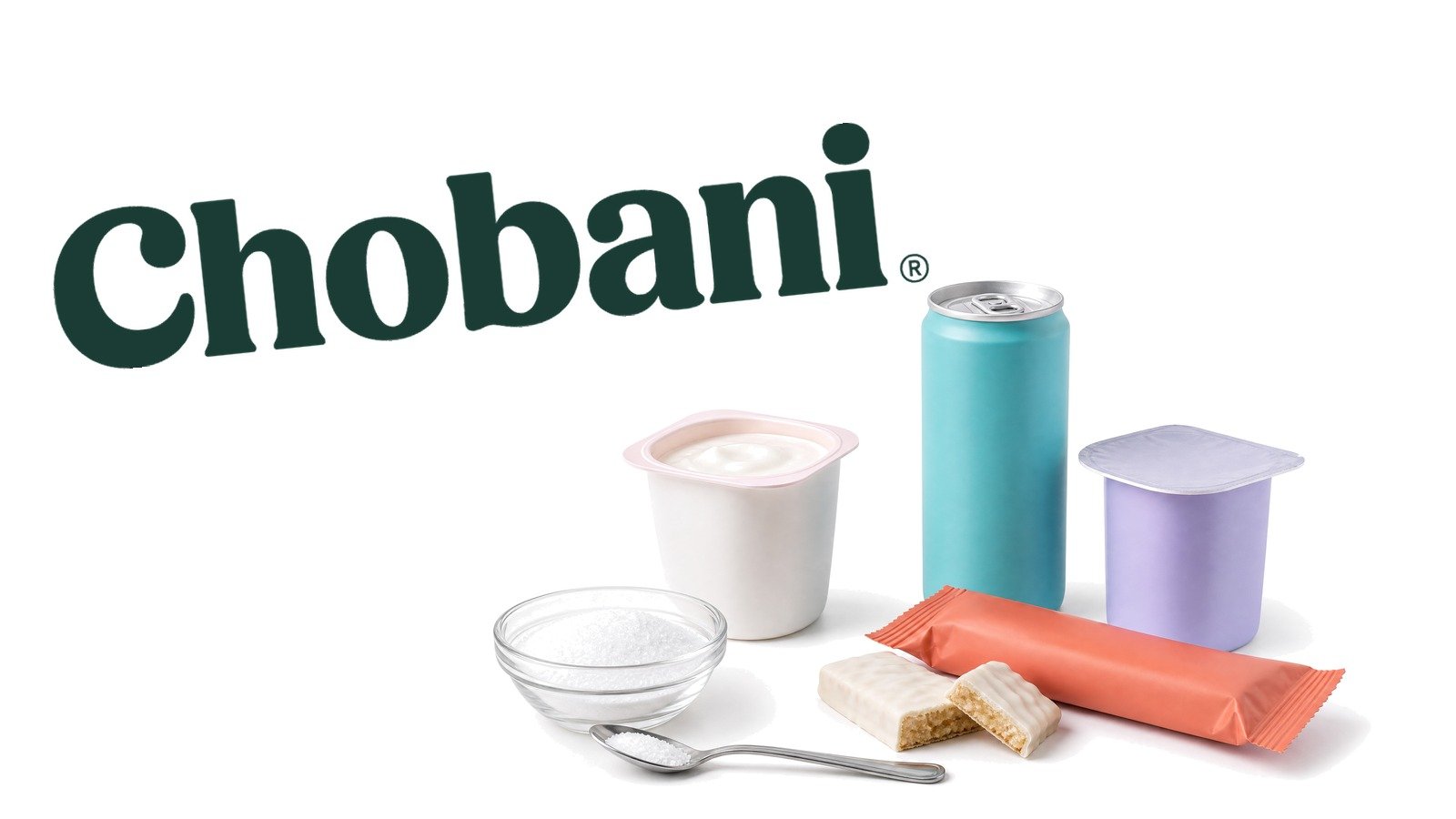
A Seventh Circuit ruling held that allulose counts as a sugar under FDA's rules, and nearly 60 suits had followed by late September, Bloomberg Law reported. FDA's 2020 guidance did not shield Chobani from the suit.

For six years, food makers relied on FDA guidance that let them leave allulose off the sugar lines on nutrition labels. Then a federal appeals court read FDA’s definition and said allulose counts as a sugar. The ruling, in a case against Chobani, has set off a wave of class actions over “zero sugar” and “zero added sugar” labels.
TLDR
- On July 27, the Seventh Circuit revived a class action over Chobani Zero Sugar yogurt and held that allulose is a sugar under FDA’s regulation.
- FDA told the court its regulation covers all monosaccharides, or simple sugars, including allulose.
- Since August, follow-on suits have named Target, Liquid Death, KIND, WK Kellogg and others. These allegations are untested, and Morrison Foerster attorneys wrote in September that defendants in the cases filed by then had yet to present their defenses.
- The ruling binds only federal courts in Illinois, Indiana and Wisconsin, and Chobani still has arguments to make.
What Allulose Is, and Why the Rules Got Tangled
Allulose is a monosaccharide used as a low-calorie sweetener. FDA’s regulation defines total sugars as “the sum of all free mono- and disaccharides,” and a food labeled “sugar free” must contain less than half a gram of sugars per serving.
In 2020, FDA issued guidance saying it would use enforcement discretion, allowing companies to leave allulose out of the total and added sugars lines on the Nutrition Facts panel and to count it at 0.4 calories per gram. Morrison Foerster attorneys note that the guidance did not change FDA’s definition of sugar or its rule for “sugar free” claims.
The Chobani Ruling
Consumers sued in May 2023 over Chobani Zero Sugar yogurt, which contains about 4 grams of allulose per serving. A district court dismissed the case in 2025 on preemption grounds. In Franco v. Chobani, the Seventh Circuit unanimously reversed after FDA filed a brief saying its regulation is unambiguous and covers allulose.
The court treated the 2020 guidance as an enforcement position, not a binding reading of the rule, so it did not shield Chobani from consumer suits. Whether shoppers were actually misled remains a question for later in the case. Chobani has said allulose does not add calories, raise blood sugar or cause cavities the way traditional sugars do, Food Dive reported, and it argues that FDA’s approval of its label should block the claims, according to Foster Garvey.
The Wave of Suits
- Liquid Death: “0g Sugar” and “Zero Sugar” beverages.
- David Protein: zero-sugar protein bars, in a complaint citing the Chobani decision.
- WK Kellogg: “Zero Added Sugar” Special K cereal products.
- KIND: “ZEROg Added Sugar” bars.
- Kroger and Costco: Simple Truth syrup, in a suit filed Oct. 14, and a Kirkland Signature electrolyte drink mix, Top Class Actions reported.
- Target: Up & Up Sugar-Free Hydration Supplement Powder, in a complaint filed Oct. 20 in Illinois federal court, Open Class Actions reported.
Liquid I.V. was sued Aug. 12, Open Class Actions reported. Nearly 60 suits had been filed against food producers using allulose by late September, the ABA Journal reported, citing Bloomberg Law. Open Class Actions counted at least 26 proposed class actions between Aug. 12 and Oct. 20. Claims of “zero added sugar” fall under a separate part of the rule, which the Chobani decision did not address.
Why It Matters
The suits now reach yogurt, drinks, protein bars, cereal and syrup, and the same issue could reach other rare sugars. Foster Garvey notes that tagatose, another monosaccharide, received similar enforcement discretion in late 2025. Food Dive reported that the 2020 guidance came as regulators developed final rulemaking on allulose. Morrison Foerster attorneys wrote that FDA could undertake new rulemaking and that courts outside the Seventh Circuit could disagree with the ruling.
Sources: Morrison Foerster; Foster Garvey; Food Dive; FoodNavigator; Top Class Actions; ABA Journal; Open Class Actions; Open Class Actions tracker.