FDA Proposes What HHS Calls the First Major Update to Infant Formula Standards in Nearly 30 Years
The proposed rule covers 8 of 30 required nutrients, raising the floors for iodine and vitamin D and setting a first-ever ceiling for manganese. FDA says formulas on shelves remain safe.

Infant formula is the only source of nutrition for many babies, and its nutrient requirements have not had a comprehensive review since 1998. On Oct. 29, FDA proposed the first round of changes, which HHS called the first major update to formula standards in nearly 30 years, ABC News reported.
TLDR
- FDA proposed updating requirements for iodine, manganese, vitamin A and vitamin D, and reaffirming them for sodium, potassium, chloride and selenium.
- That is 8 of the 30 required nutrients. Later phases will cover the rest.
- FDA says the changes are not driven by safety concerns and that formulas now on the market remain safe.
- The proposal gives manufacturers 3 years to comply after the final rule takes effect.
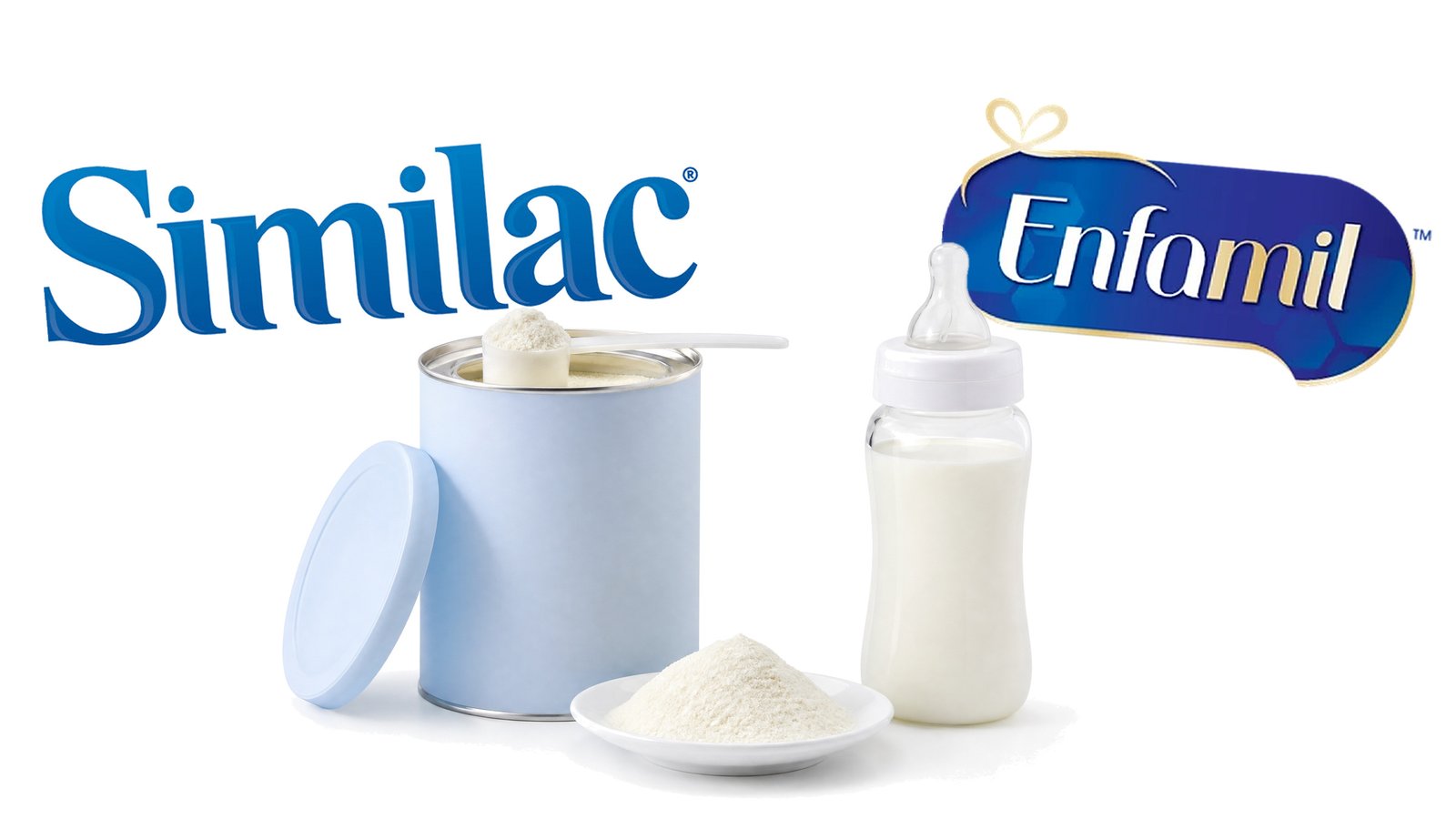
- FTC figures for 2022, after Abbott’s plant shutdown, put Mead Johnson, the maker of Enfamil, and Abbott, the maker of Similac, first and second in the U.S. market.
What Would Change
All figures are per 100 calories, Contemporary Pediatrics reported:
- Iodine: from 5 to 75 micrograms, to 15 to 50 micrograms.
- Manganese: from a 5-microgram minimum with no maximum, to 1 to 50 micrograms, its first ceiling.
- Vitamin A: from 75 to 225 micrograms, to 70 to 120 micrograms of preformed vitamin A. Beta-carotene would no longer count.
- Vitamin D: from 1 to 2.5 micrograms, to 2 to 3 micrograms.
The proposal also asks for public input on whether to require ARA, DHA and L-carnitine, which manufacturers commonly add but are not required to. “Parents deserve confidence in every bottle they feed their baby,” Health Secretary Robert F. Kennedy Jr. said.
What Comes Next
The rule is part of Operation Stork Speed, the federal review of infant formula. Comments are open for 120 days after publication in the Federal Register. Phase 2 will cover vitamin E, B vitamins, folic acid, biotin, vitamin C, choline and inositol. Phase 3 will cover protein, fat, iron, calcium and other nutrients. FDA plans to combine all three into a single final rule, and it says it does not expect an immediate effect on the WIC nutrition program.
Who It Would Affect
The U.S. market is concentrated. A 2024 Federal Trade Commission report listed 2022 shares of 39% for Mead Johnson, the Reckitt unit that makes Enfamil, 27% for Abbott, which makes Similac, 18% for Nestlé/Gerber and 13% for private-label brands, including Perrigo’s. In 2021, the report listed Abbott at 40% and Mead Johnson at 31%, before Abbott’s Sturgis, Mich., plant shut down. The 2022 figures are not current shares.
The FTC’s 2022 figures do not account for Perrigo’s purchase of Nestlé’s Gateway formula plant, a deal that also gave it U.S. and Canadian rights to the Good Start brand. FDA estimates the proposal would bring the industry annualized costs of $8.4 million to $31.7 million, Reuters reported.
Contaminants
FDA also released testing data showing that most formula samples had “low or non-detectable levels of chemical contaminants,” ABC News reported. Food Safety News wrote that the administration “did not mention cronobacter or botulism outbreaks in recent years” and did not mention standards specifically related to contaminants.
Why It Matters
Federal law calls for FDA to review formula nutrient requirements every four years as appropriate. It has been 28 years. If finalized, these numbers would shape how formula is made, but the proposal is the first of three phases, and the values could change after public comment and peer review.
Sources: Contemporary Pediatrics; ABC News; Food Safety News; HHS; FTC; Reuters via Yahoo; Perrigo 10-K.