Kids Who Eat More Ultra-Processed Food Show Stronger Brain Reward Responses, USC Study Finds
In a study of 46 children, higher ultra-processed food intake was linked to stronger reward-region responses to food images, and those responses were tied to greater gains in BMI and body fat a year later.

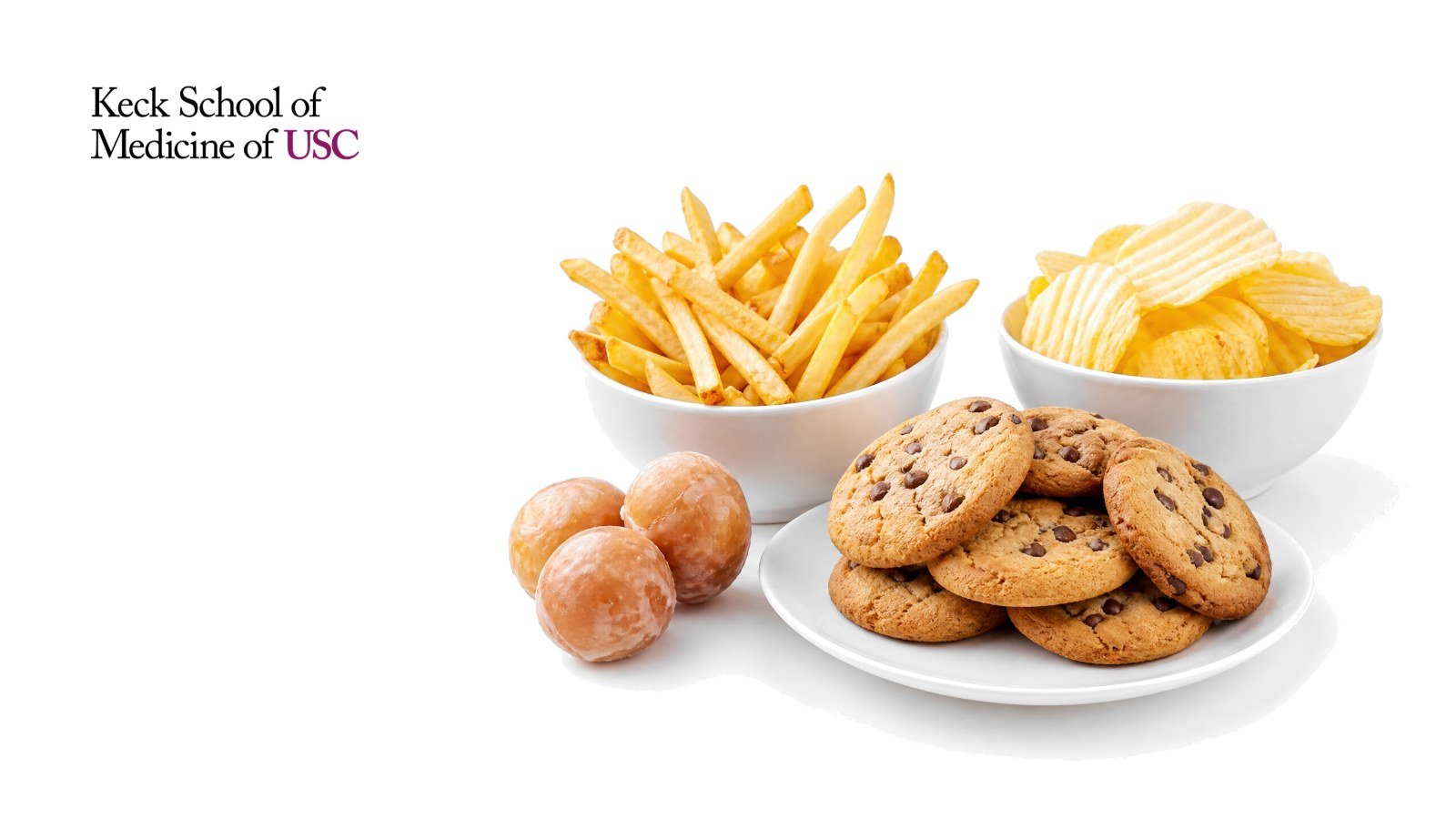
Show a child a picture of cookies or French fries, and the reward center of the brain lights up. A new study from the Keck School of Medicine of USC found that response was stronger in children who eat more ultra-processed food, and that it was linked to weight gain a year later.
TLDR
- Researchers scanned the brains of 46 children ages 7 to 10, all at a healthy weight at the start, while they viewed images of appetizing foods.
- Children who ate more ultra-processed food showed stronger responses in the dorsal striatum, a brain region involved in reward and motivation.
- Stronger responses were linked to greater gains in body mass index (BMI) and body fat over the following year.
- The study was observational and cannot prove that ultra-processed food causes the brain changes or the weight gain.
The Study
The research, published in JAMA Network Open, followed children from BrainChild, a long-term study of diabetes and obesity risk at the Keck School of Medicine of USC that recruited children through Kaiser Permanente Southern California. At the start, researchers ran MRI scans while the children looked at images of foods such as cookies and French fries, and collected diet, BMI, body fat and waist measurements. They measured body composition again a year later. The work was funded in part by the National Institutes of Health.
What They Found
Children with higher ultra-processed food intake had stronger dorsal striatum responses to the food images. Higher intake was also linked to a larger increase in waist circumference over the year. Links with gains in BMI and body fat were positive but did not reach statistical significance. Stronger brain responses, in turn, were linked to greater gains in BMI and body fat.
Accounting for the brain response weakened the association between ultra-processed food and one-year BMI change by 31% and body fat change by 44%. The authors said the sample was too small for a formal mediation analysis, but concluded that reward-related brain responses “may be involved” in the link between these foods and weight gain.
“Children’s brains are still developing, habits are still forming and food preferences are still being made,” said senior author Kathleen A. Page, a professor of medicine and pediatrics and co-chief of the Division of Endocrinology and Diabetes at Keck.
The Caveats
The study was small and observational, so it shows an association, not cause and effect. The authors note the direction could also run the other way: children with naturally stronger reward responses may be more drawn to ultra-processed foods. Page plans a follow-up intervention study that gives children who regularly eat ultra-processed foods more minimally processed foods instead.
Why It Matters
Ultra-processed food makes up 70% of calories for U.S. children, according to more than 70 public health experts pressing the White House to release a federal definition. Research pointing to how these foods may shape children’s reward systems adds to the pressure for changes in school meals and marketing to kids, and for that federal definition.
Sources: JAMA Network Open; News-Medical; U.S. News & World Report; Neuroscience News; Newsweek.