
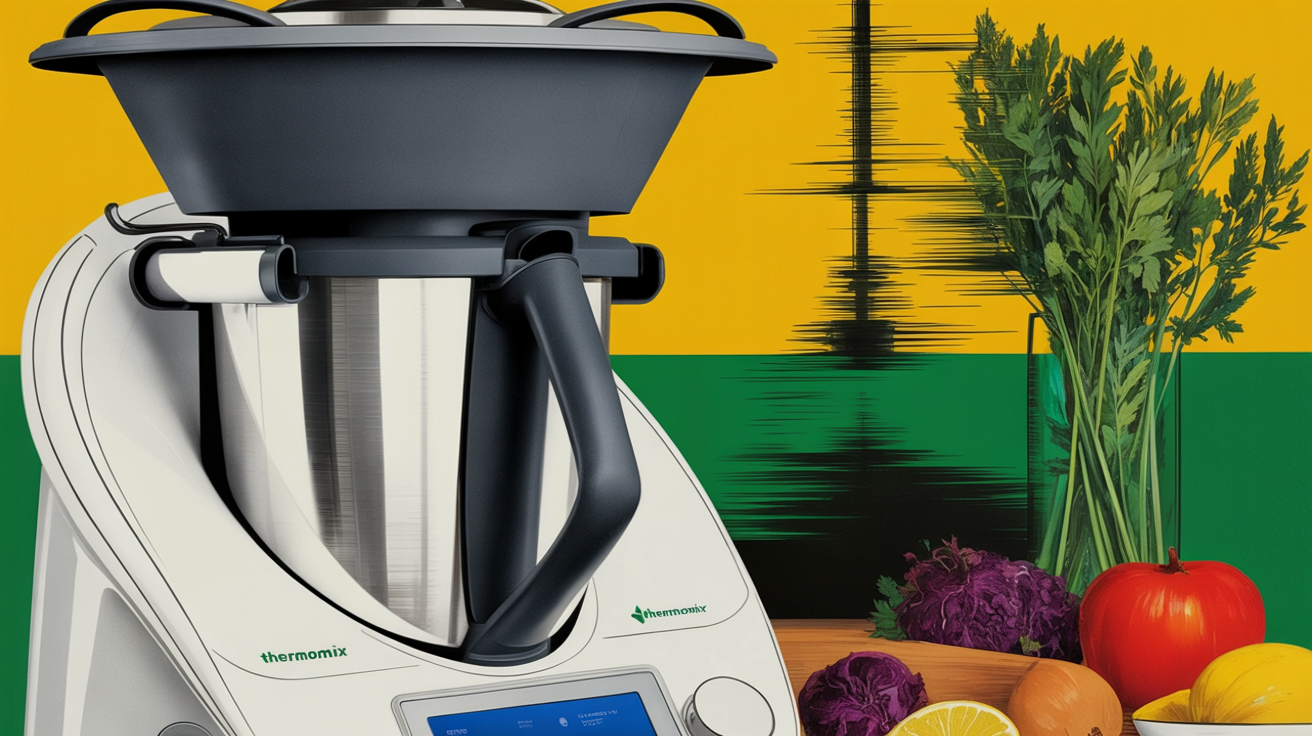
AI Meets Appetite: Can Taste Unlock Healthier Eating?
A former Thermomix North America executive believes AI personalized nutrition works best when it leads with flavor, not restriction.

Most health-tech platforms lead with calories, macros, or guilt. Kai Schaeffner, former head of Thermomix North America, is betting AI personalized nutrition flips that script entirely, starting with what people actually want to eat.
TLDR
- Schaeffner built one of the U.S.’s most successful connected recipe platforms at Thermomix.
- His new thesis: AI-driven health outcomes improve when taste comes first.
- Flavor-led personalization could reframe how suppliers position better-for-you products.
- The approach targets behavior change without relying on restriction or moralizing.
- Connected appliance data offers a rich, underused signal for dietary personalization.
Kai Schaeffner spent years at Thermomix watching home cooks engage deeply with guided, connected cooking. That platform’s success rested on one insight: people follow recipes they enjoy. Now Schaeffner is applying that logic to a harder problem.
AI Personalized Nutrition Starts With Flavor, Not Rules
His argument is straightforward. Restriction-based health programs see high dropout rates. Taste-first AI personalized nutrition keeps users engaged longer, generating the behavioral data that makes recommendations smarter over time. The model treats preference as a feature, not an obstacle.
For food manufacturers and ingredient suppliers, the implication is significant. If an AI layer can route consumers toward healthier SKUs they already find appealing, the reformulation burden shifts. Products do not need to taste like compromise; they need to be findable by the right algorithm at the right moment.
Thermomix’s connected platform demonstrated that appliance-linked recipe data captures real household behavior at scale. Schaeffner’s experience there gives his thesis operational grounding, not just theory.
What Operators Should Watch
The connected kitchen space is maturing fast. Platforms that aggregate cooking behavior, ingredient swaps, and repeat-meal patterns hold a data asset most CPG brands lack internally. Schaeffner’s approach suggests those data streams could power genuinely personalized health nudges.
Additionally, retailers and meal-kit operators stand to benefit most immediately. Taste-profile matching at the cart or subscription level is a near-term application, not a distant one.
The harder question is whether AI can bridge the gap between what consumers say they want and what they repeatedly choose. Schaeffner’s answer, per The Spoon, is to stop asking consumers to choose differently and start making the healthier option the obvious one.
Source: The Spoon. https://thespoon.tech/can-ai-help-people-eat-healthier-by-starting-with-taste-this-former-thermomix-exec-thinks-so/