Ultra-Processed Food Regulation Is Coming. Is Your Formulation Ready?
From FDA definitions to WHO proposals and state-level litigation, UPF regulation is no longer a distant threat for food manufacturers.

The regulatory walls around ultra-processed foods are closing faster than most manufacturers anticipated. FDA definitions, state-level bills, WHO frameworks, and active litigation are converging simultaneously. Operators who treat UPF regulation as a future-state problem are already behind.
TLDR
- FDA, WHO, and state legislatures are all moving on UPF definitions.
- Litigation risk is rising alongside regulatory pressure for manufacturers.
- Reformulation is shifting from brand strategy to compliance necessity.
- No single global definition exists yet; that ambiguity cuts both ways.
- Early reformulators will have a structural advantage as rules solidify.
UPF Regulation Is Fragmenting Across Jurisdictions
Bakery & Snacks reports that no single global definition of ultra-processed food currently governs trade or labeling. That gap is closing from multiple directions at once.
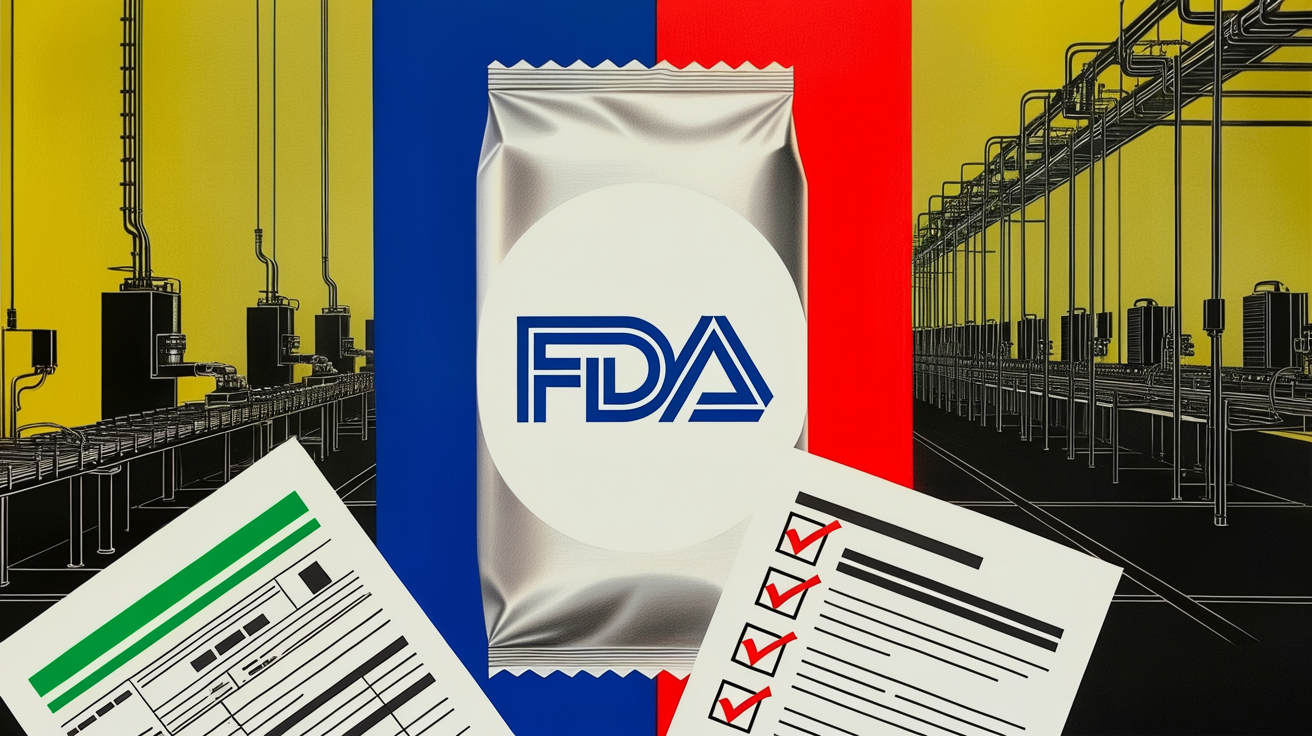
In the U.S., the FDA is actively working to define UPFs within its regulatory framework. Several state legislatures have introduced or passed bills targeting ultra-processed ingredients directly.
Significant. The European Commission has commissioned a dedicated study into UPFs, with EuroHealthNet and allied groups pressing for comprehensive dietary action. The UK’s Scientific Advisory Committee on Nutrition has also weighed in, adding another layer of official scrutiny.
The WHO is developing its own proposals. Manufacturers selling across borders now face a patchwork of overlapping, sometimes conflicting standards.
What Manufacturers Must Weigh Before Definitions Lock In
Litigation is accelerating the timeline. Lawsuits targeting UPF-adjacent claims are already reshaping how legal teams read label copy and ingredient lists.
Some industry voices argue that foods should be judged on their overall nutritional contribution, formulation, and role in the diet, not solely by processing classification. That argument has merit in scientific circles; it carries less weight in a courtroom or a legislative hearing.
Reformulation is the lever most operators can actually pull now. Ingredient substitution, additive reduction, and cleaner processing methods all reduce exposure under almost any definition being proposed.
Operators who moved early on clean-label reformulation are positioned to meet incoming thresholds without emergency line changes. Those who haven’t face compressed timelines and higher costs.
In short, the definitional ambiguity that once gave manufacturers room to maneuver is narrowing. Waiting for a single harmonized global standard before acting is a strategy with diminishing returns.
Source: Bakery & Snacks. https://www.bakeryandsnacks.com/Article/2026/07/07/how-upf-regulation-could-reshape-the-global-food-industry/