
Low Sodium Isn’t Out. It Just Learned to Keep Quiet.
A naturally low-sodium sea salt from Chile's Atacama lets brands cut sodium 1:1, without the metallic aftertaste or the tired 'reduced' label.

A naturally low-sodium sea salt from Chile’s Atacama lets brands cut sodium without the metallic aftertaste; or the tired “reduced” label.
There’s a story going around that sodium reduction is over; that “reduced” and “free-from” are yesterday’s play. It reads well in a boardroom. It also reads the room wrong.
TLDR
- Adults average 3,100 to 4,200 mg of sodium a day against a 2,300 mg ceiling (1,500 mg ideal); ultra-processed foods are the driver.
- “Low sodium is out” misreads the moment. Under ultra-processed-food scrutiny, cutting sodium is the most urgent reformulation job on the bench.
- “Reduced” got a bad name from metallic potassium-chloride blends, not from the goal itself.
- Naturally low-sodium Atacama sea salt crystallizes sodium and potassium inside one grain: 33 to 50 percent less sodium, the same taste, a clean label, a 1:1 swap.
- The play: cut the sodium, skip the dated “reduced” claim. Say it without saying it.
Start with the numbers, because they settle the argument. Adults are averaging 3,100 to 4,200 milligrams of sodium a day. The American Heart Association caps healthy intake at 2,300 milligrams, with 1,500 as the goal; the World Health Organization draws its line under 2,000. That gap is not a seasoning habit. It is an ultra-processed-food problem.
Sodium is the industry’s most useful tool. It masks off-flavors, it preserves, and paired with sugar and fat it hits a bliss point that quietly overrides the body’s fullness signals. High intake tracks straight to raised blood pressure and cardiovascular strain. So with ultra-processed foods sitting under a regulatory microscope, sodium reduction is not going out of style. It is moving to the front of the line.
Why “Reduced” Got a Bad Name
The problem was never the goal. It was the execution. Most low-sodium salt is a bolt-on blend of refined sodium chloride and potassium chloride; it performs on a spec sheet and fails on the tongue. Metallic. Bitter. The taste of compromise. That is what shoppers rejected. Not less salt. Bad salt.
The Fix Was Buried in a Desert
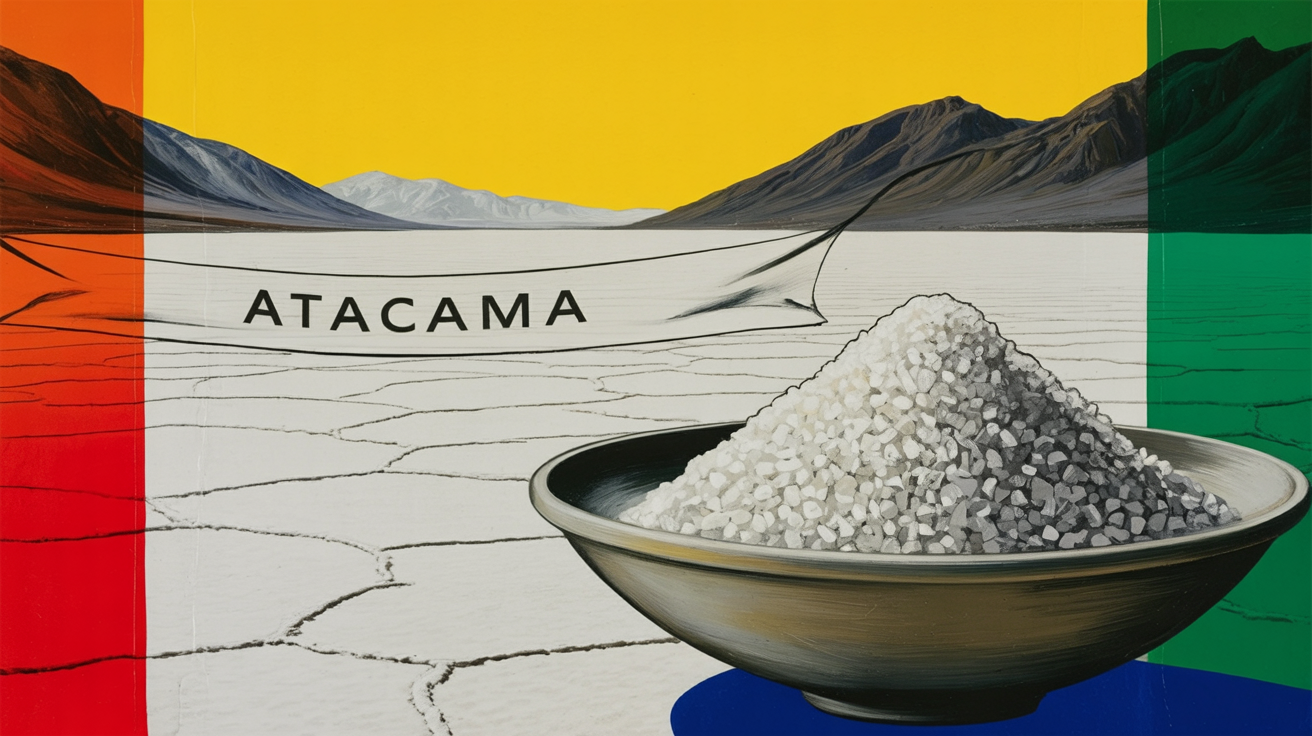
Chile’s Atacama sits over an ancient underground sea more than a million years old. Brine pumped from 30 to 70 meters below the salt flat is dried in open solar ponds under the driest sky on Earth. Because that water is naturally rich in potassium, sodium and potassium crystallize together, inside the same grain, instead of being mixed after the fact.
The result is a sea salt with 33 to 50 percent less sodium that still tastes and behaves like salt. No metallic edge. No anti-caking chemistry required. A clean label. Atacama Sea Salt is one of the names emerging in this small but rising category, alongside others drawing from the same deposit. The common thread is a 1:1 swap that drops into snacks, meats, seasonings, and processed foods without a reformulation teardown.
Say It Without Saying It
Here is where it meets the moment. The reformulation conversation has turned against the “reduced” badge; brands want the result without the dated claim. A naturally low-sodium salt delivers exactly that. The sodium comes down. The label stays clean. There is no asterisk to defend and no aftertaste to apologize for. The reduction is real; it is just quiet.
Full reformulation is the right instinct for sugar and fat. But salt is the one place where the rebuild already exists, finished, in the ground. The brands that win the next sodium cycle will not announce it with a tired badge. They will bake it in, one better ingredient at a time.