
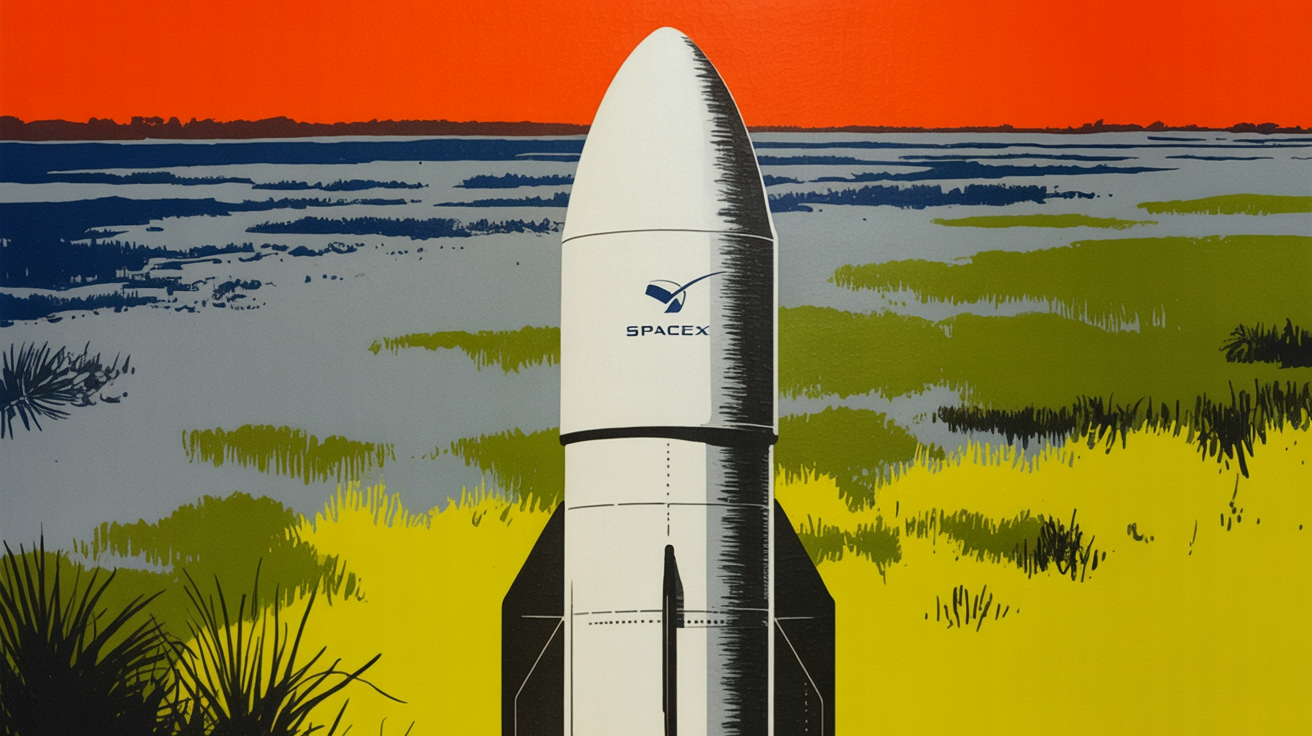
SpaceX Land Swap Threatens a Texas Wildlife Refuge
Environmental groups sued Wednesday to block the SpaceX Texas land swap, citing worsening ecological risks to a critical Gulf coast refuge.

The Trump administration just approved a land deal that would hand SpaceX more than 700 acres of protected Texas wildlife refuge. Environmental groups filed suit Wednesday to stop it. The Lower Rio Grande Valley is already under pressure from Musk’s rocket operations; this swap would deepen that footprint significantly.
TLDR
- US Fish and Wildlife Service approved the SpaceX land swap this month.
- SpaceX would receive 700-plus federal refuge acres for 683 company-owned acres.
- The refuge spans 103,000 acres across four Texas border counties.
- Lawsuit claims the deal worsens ecological risks already tied to SpaceX.
- Animal habitats and historical landmarks sit inside the affected refuge.
SpaceX Texas Land Swap Draws Legal Fire
Environmental groups sued Wednesday in federal court. Their target: a deal between the Trump administration and SpaceX that would transfer more than 700 acres of protected Gulf coast habitat to the rocket company.
The Guardian reports the US Fish and Wildlife Service approved the exchange this month. SpaceX would surrender 683 acres it already owns in exchange for federal land inside the Lower Rio Grande Valley national wildlife refuge.
Significant. The refuge covers 103,000 acres across four Texas border counties. It shelters animal habitats and historical landmarks that predate Musk’s Starbase operations entirely.
Ecological Risks Already Elevated Along the Rio Grande
The lawsuit argues SpaceX’s existing rocket operations have already transformed the region’s ecology. Adding 700-plus refuge acres to the company’s footprint, plaintiffs say, compounds those risks rather than offsetting them.
The land-swap structure matters here. SpaceX offers 683 privately held acres; the government returns federally protected refuge land. Critics note the acreage figures are close, but the conservation value is not equivalent.
For food-system operators sourcing from South Texas agriculture, the Lower Rio Grande Valley is a critical corridor. Habitat fragmentation in this region carries downstream consequences for pollinators, water quality, and the farm supply chains that depend on both.
The outcome of this lawsuit will set a precedent. Federal wildlife refuge land has rarely been traded to private aerospace companies before. How courts weigh industrial expansion against protected habitat here will matter well beyond Texas.
Source: The Guardian. https://www.theguardian.com/us-news/2026/jun/10/spacex-trump-administration-texas-land-swap