AI Food Waste Startup KITRO Bets Big on New Rules
KITRO's AI food waste reduction platform is expanding internationally, timing its growth push to align with tightening regulatory pressure on hospitality operators.

Regulatory tailwinds are arriving fast for AI food waste reduction. KITRO, the Swiss-born scale-up using computer vision to measure kitchen waste automatically, is accelerating its international expansion, according to Hospitality Net. The timing is deliberate.
TLDR
- KITRO uses AI to automatically track and reduce kitchen food waste.
- New regulations are pushing hospitality operators to measure waste formally.
- The company is scaling internationally as compliance pressure builds.
- AI-driven waste tracking turns a cost center into a data asset.
- Operators who move early gain both compliance cover and margin recovery.
AI Food Waste Reduction Meets a Regulatory Moment
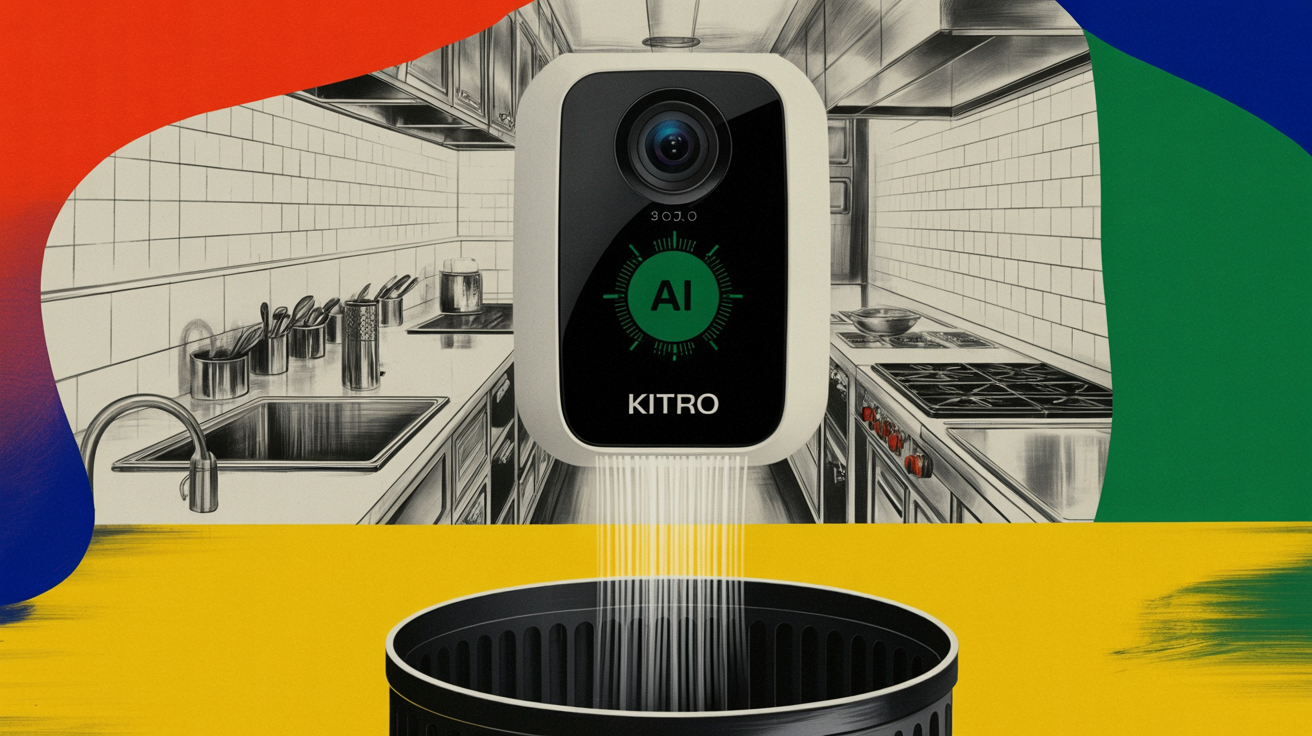
KITRO’s platform places a camera-and-scale unit at the point of disposal. The system identifies discarded food by type and weight without requiring staff input.
That frictionless data capture is exactly what new hospitality waste regulations demand. Operators in the EU and beyond face mounting pressure to document, report, and reduce food loss across their supply chains.
Specifically, the EU’s Farm to Fork Strategy and the revised Waste Framework Directive set binding food waste reduction targets for member states. Hospitality venues are squarely in scope.
KITRO’s growth push is timed to that compliance curve. Early adopters gain audit-ready waste logs before regulators begin enforcement in earnest.
Why Operators Can’t Afford to Wait
Food waste carries a double cost: the raw ingredient spend and the disposal fees that follow. KITRO’s model converts that loss into structured data operators can act on.
Patterns emerge quickly. A kitchen generating excess prep waste on Tuesdays can adjust par levels within days, not quarters.
Additionally, sustainability credentials increasingly influence procurement decisions by hotel groups and restaurant chains. Documented waste reduction is becoming a supplier-selection criterion, not just a PR talking point.
Operators who have already deployed waste-reduction technology report measurable reductions in food cost percentages. KITRO’s international expansion means more kitchens can access that data infrastructure now, before compliance deadlines force a rushed implementation.
The companies moving early on AI food waste reduction are not just managing risk. They are building a competitive moat that laggards will struggle to close.
Source: Hospitality Net via Google News. Read the original