California’s New Allergen Law Has an AI Answer
California's allergen disclosure law kicks in July 1. MenuSano's AI allergen detection system auto-flags ingredients before operators get caught off guard.

California just raised the compliance bar for every foodservice operator in the state. MenuSano says its new AI allergen detection system is the first to flag allergens at the ingredient level, not just the dish level. The timing is deliberate.
TLDR
- California’s allergen disclosure law takes effect July 1, 2025.
- MenuSano’s AI scans allergens at the ingredient level automatically.
- Non-compliance risks liability, menu pulls, and reputational damage.
- The tool targets operators managing large, frequently changing menus.
- Ingredient-level detection closes a gap label-level tools miss.
California’s new allergen disclosure law requires foodservice operators to clearly identify major allergens on menus. The law takes effect July 1, 2025. Operators who miss the deadline face real legal exposure.
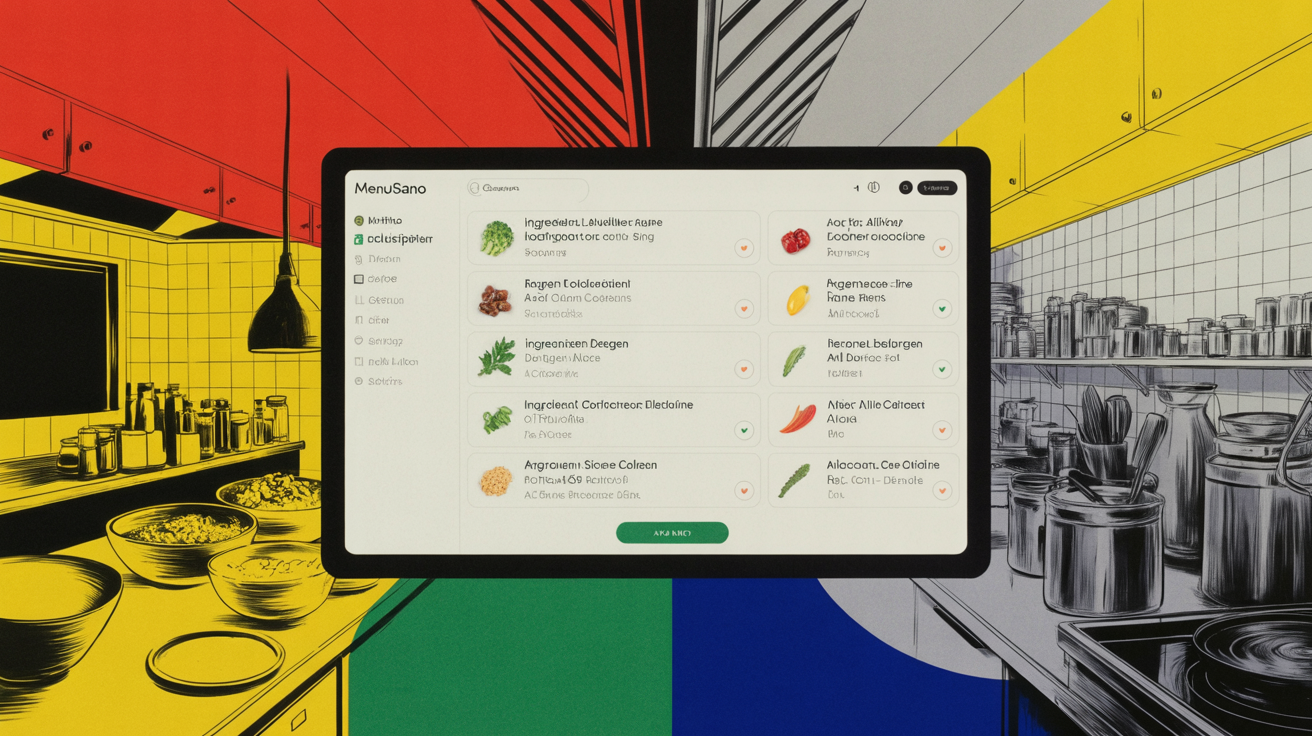
MenuSano, a nutrition analysis platform, announced the launch of what it calls the first AI allergen detection system built to auto-detect allergens at the ingredient level. That distinction matters. Most existing tools flag allergens at the recipe or dish level. MenuSano’s system traces each ingredient individually.
Why Ingredient-Level AI Allergen Detection Changes Compliance
Ingredient-level scanning catches substitutions and supplier changes that dish-level tools miss. A single swapped ingredient can introduce an undisclosed allergen. Operators managing hundreds of menu items face that risk daily.
MenuSano’s platform integrates with existing menu-building workflows. Operators do not need to manually cross-reference ingredient lists. The AI surfaces allergen flags in real time as menus are built or updated.
What California’s Law Means for Operators Nationally
California’s law covers the nine major allergens recognized by the FDA. Those include milk, eggs, fish, shellfish, tree nuts, peanuts, wheat, soybeans, and sesame. Sesame was added federally under FASTER Act rules in 2023.
California frequently sets compliance precedents other states follow. Operators building systems now for California may find those systems transferable. Additionally, thefutureoffood.org has tracked the steady tightening of allergen labeling standards across North America.
In short, waiting is the riskiest menu strategy available right now.
Source: Newswire.com. https://news.google.com