Transit Deserts Are Starving SNAP Shoppers
As Covid-era transit funding expires, transit deserts food access gaps are widening, threatening grocery supply chains and SNAP participation rates.

Two buses, three hours, 13 miles, and a $24 Uber ride home with melting groceries. That is the food-access math facing Americans in transit deserts, and The Guardian reports it is getting worse as pandemic-era funding disappears.
TLDR
- Covid transit funding cuts are expanding food deserts across multiple states.
- Memphis’s Chelsea-Hollywood lost its only full-service grocer in 2025.
- SNAP shoppers face impossible logistics: perishables spoil on long bus waits.
- Operators relying on foot traffic near transit hubs face shrinking customer bases.
- Uber costs up to $24 per grocery trip, pricing out low-income shoppers.
Transit Deserts Food Access: A Supply Chain Problem, Too
The Memphis Area Transit Authority, known as MATA, already runs chronically late. Now, riders like Zen’Yari Winters face a compounding crisis. The sole full-service grocer in her Chelsea-Hollywood neighborhood shuttered in 2025.
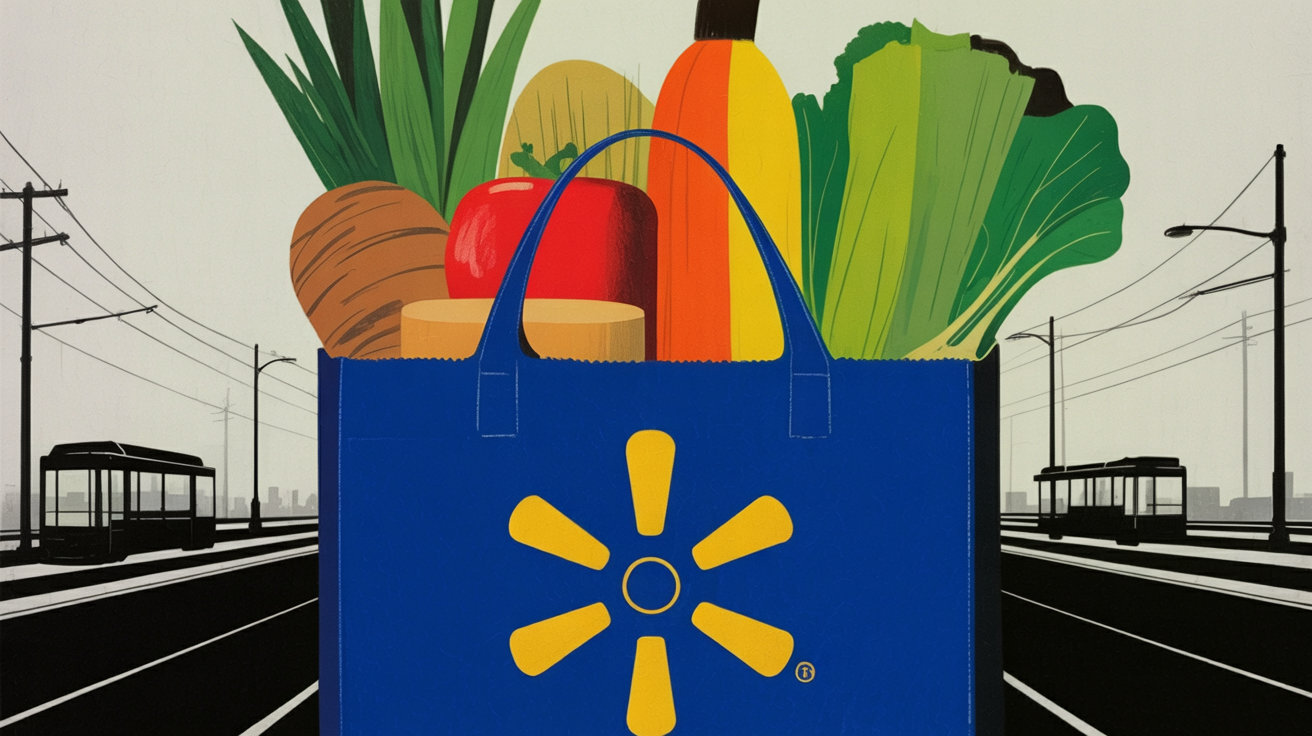
Her nearest Walmart requires two buses and a three-hour round trip. Perishables are a gamble on that timeline. A $24 Uber is the only reliable alternative, and that math does not work on a pet-shop wage.
This is not a Memphis-only story. The Guardian reports the pattern stretches from Tennessee to Rhode Island. Covid-era federal transit subsidies are expiring. Bus routes are being cut precisely where car ownership is lowest.
What Grocery Operators and Suppliers Should Watch
For food-industry operators, transit deserts food access failures signal a demand-side collapse in specific zip codes. Retailers who anchor in car-dependent formats near transit-poor communities are already seeing the effects. Foot traffic does not materialize when the bus does not show up.
Additionally, SNAP redemption rates are sensitive to physical access. If shoppers cannot reach a participating retailer, federal nutrition dollars go unspent. That is a revenue gap for grocers and a policy failure for regulators.
Last-mile grocery delivery has been positioned as the fix. However, delivery fees and minimum orders frequently exclude the lowest-income households. Food desert coverage at thefutureoffood.org has tracked this gap for years.
The structural answer, better-funded public transit, sits outside most food operators’ control. Still, format decisions, store siting, and SNAP-accessible delivery programs are levers the industry holds. The Guardian’s full reporting documents how quickly a single route cut can sever a community from its food supply. Watch this.
Source: The Guardian. https://www.theguardian.com/environment/2026/may/03/bus-public-transport-cuts-groceries-snap