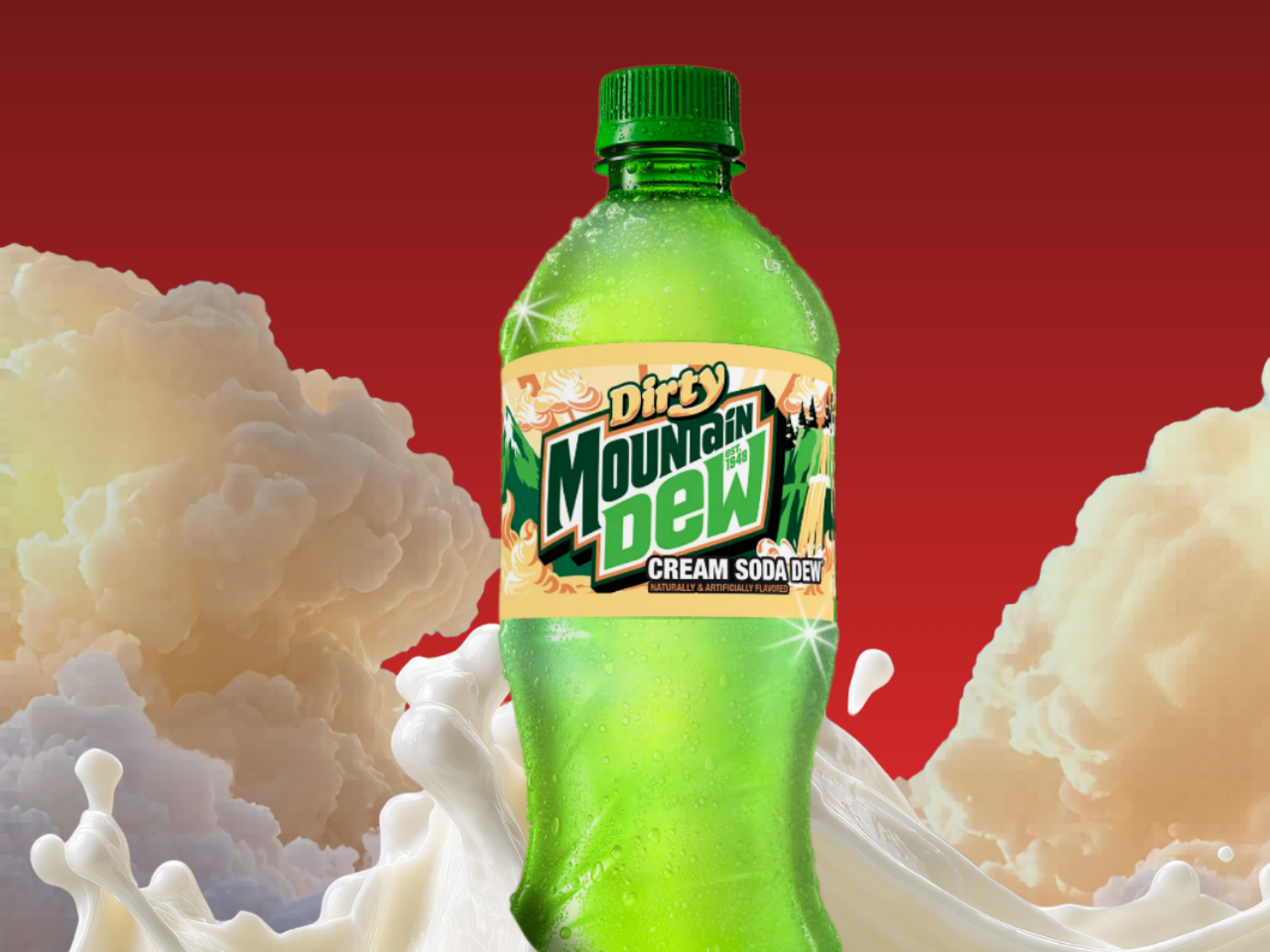

Mountain Dew has officially entered the “dirty soda” space but with a cleaner attitude and a secret ingredient.
This week PepsiCo released Dirty Mountain Dew Cream Soda, a new flavor innovation from the portfolio of one of the dirtiest-label sodas on the market.
But this creamy, clean soda signals a massive shift in their formulation strategy. The real question is whether the drink’s cloudy, velvety sheen was a byproduct of the stabilization science—or a deliberate lean into the inevitable.
While the brand is famous for its neon, artificial glow, this new release is one of the first in their 80-year history to go completely dye-free, relying instead on beta carotene for its “lemon-chiffon” hue.
This is where gum arabic becomes the unsung hero of the label. In a formula this complex—balancing citrus oils, vanilla-cream flavors, and natural pigments—gum arabic serves as the essential “bridge” that holds the entire sensory experience together.
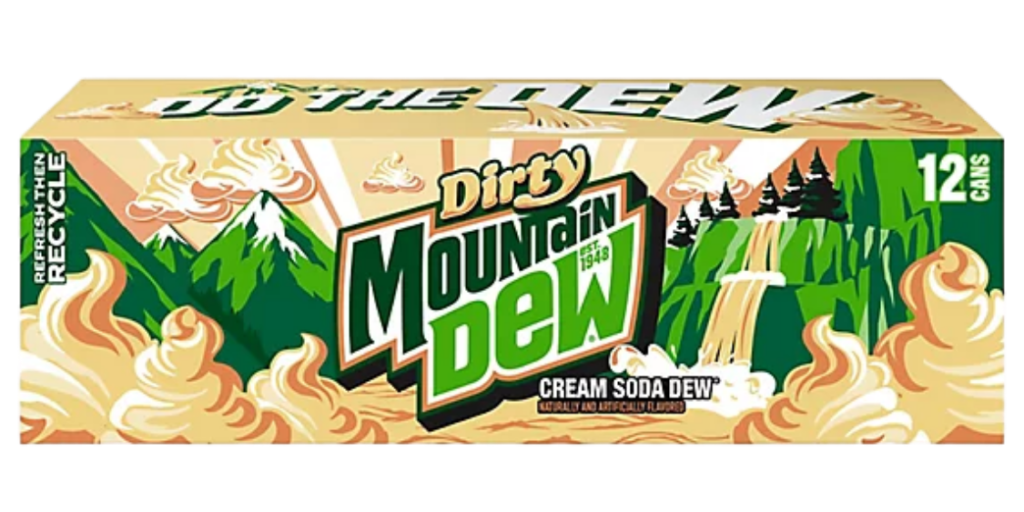
The Role of Gum Arabic (E414)
- The Emulsification Anchor: Because beta carotene and flavor oils (like the vanilla and citrus profiles in Dirty Dew) are naturally water-insoluble, they would typically separate into an oily ring at the surface. Gum arabic forms a protective colloidal film around these oil droplets, ensuring they stay suspended throughout the beverage.
- Creating the “Cloud” (aka the “Cream”): In beverage formulation, gum arabic is the gold standard for creating cloudy emulsions. While the drink contains no actual dairy, the gum arabic creates a specific level of turbidity (cloudiness) that mimics the visual look of a soda shop float. Regardless of whether this cloudiness was a happy accident of the stabilization process, the brand has leaned into it, using the opacity to sell the “creamy” indulgence promised on the label.
- Color Defense: Beta carotene is notoriously sensitive to light and oxidation. The protein fraction in gum arabic acts as a stabilizer, helping to reduce the pigment’s exposure to the external environment and maintaining that consistent “lemon-chiffon” look on the shelf.
Supporting Cast: The Rest of the Label
The formula works as a carefully balanced ecosystem:
- Glycerol Ester of Rosin: Acting as a “weighting agent,” it increases the density of the flavor oils to prevent them from “creaming” or floating to the top, working in tandem with the gum arabic.
- Citrus Pectin (Zero Sugar Only): Added to the Zero Sugar variety to help build back some of the mouthfeel and “syrupiness” lost when removing high fructose corn syrup.
- Ascorbic Acid and Sodium Citrate: These provide both the “signature Mountain Dew sweet citrus kick” and the necessary pH control to ensure the emulsion remains stable over its six-month shelf life.
The “Clean-ish” Conclusion
By swapping artificial dyes for beta carotene and leaning on natural hydrocolloids like gum arabic, Mountain Dew is pulling off a genuinely tricky move: cleaning up the label without dimming the neon. They didn’t just make a cream soda; they used a functional stabilizer to “craft” a visual texture that makes you think you’re drinking cream.