RFK’s Dye Win Contingent Upon Big Snack and Soda
Kennedy claims victory on food dye phase-out, but CSPI data shows only 4 of 12 committed companies will fully comply by end of 2026.

Kennedy claims victory on food dye phase-out, but CSPI data shows only 4 of 12 committed companies will fully comply by end of 2026.
The food dye phase-out headline looks cleaner than the reality. Per CSPI analysis cited by Politico, just four major food companies will completely remove synthetic dyes before Kennedy’s voluntary end-of-2026 deadline. Mars, PepsiCo, Keurig Dr Pepper, and Ferrero, four of the six biggest sellers of dye-containing products, have made no full commitments.
The TL;DR
- Only 4 of 12 committed companies will fully meet the 2026 deadline.
- Mars uses dyes in over 50% of its products, including Skittles and M&Ms.
- Retailers like Sam’s Club and Target are outpacing brand manufacturers.
- Past voluntary pledges from Kellogg and General Mills collapsed under consumer backlash.
- FDA approved 6 new natural dyes, giving manufacturers cleaner alternatives now.
Who Actually Committed to the Food Dye Phase-Out
McKee Foods (Little Debbie) and Hershey are the two standout leaders. Both committed to full removal across their portfolios. Twelve major companies agreed in principle to remove all synthetic dyes. However, only four will do so completely before Kennedy’s self-imposed deadline. Five more will make partial progress, most commonly limited to school food channels.
Danone and McCormick (Frank’s RedHot) have provided no timeline at all. Significant.
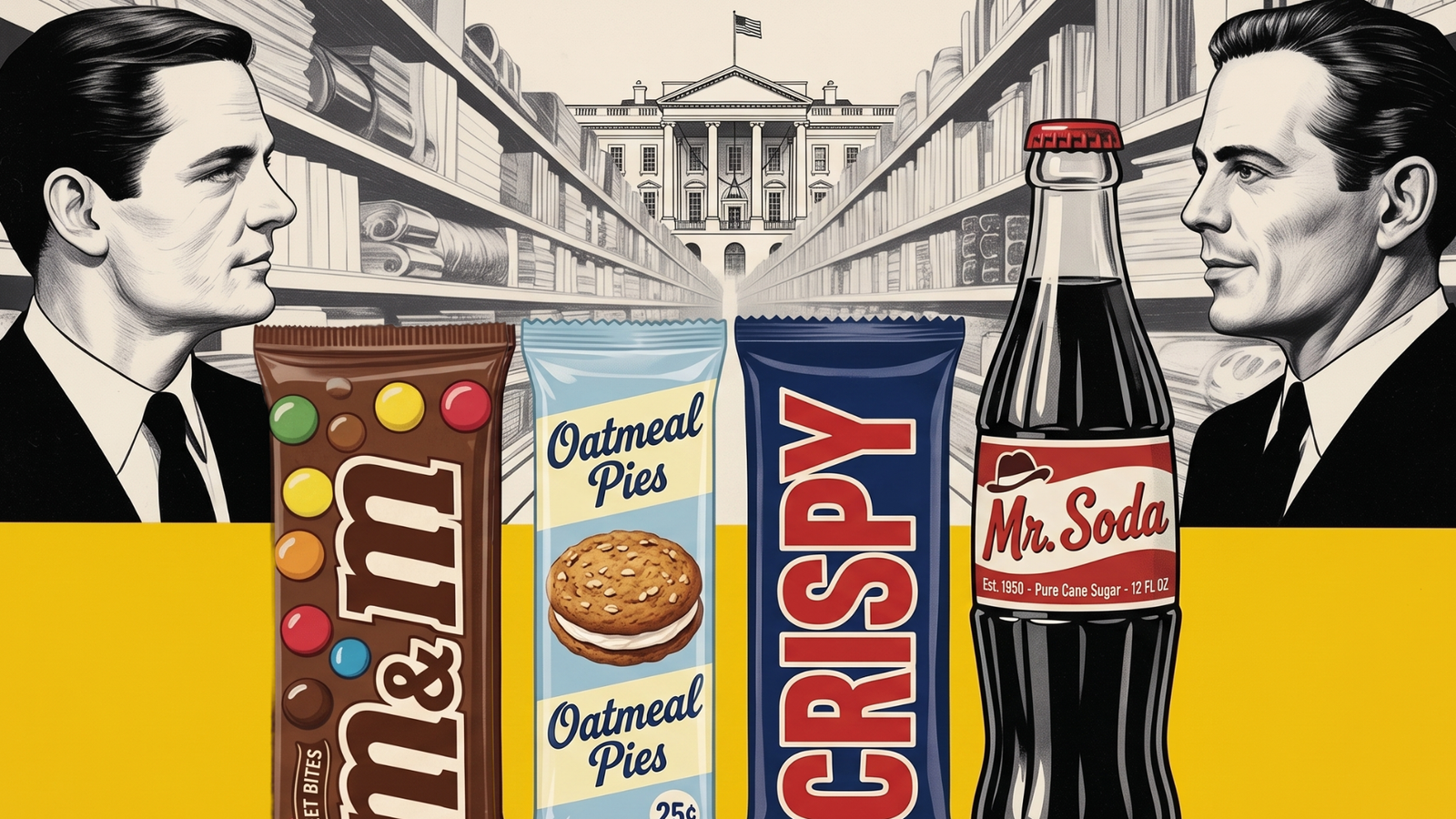
Mars presents the starkest gap between messaging and action. The company said it will offer dye-free options but keep original Skittles and M&Ms on shelves. Dyes appear in more than 50% of Mars products today.
Tyson Foods removed dyes in May 2025. Context matters, though: CSPI’s 2020 data showed only 2% of Tyson products contained them.
Retailers Are Setting the Pace Manufacturers Won’t
Retail pressure is doing what voluntary pledges have not. Sam’s Club reached 100% compliance with its Made Without standard in January 2026. Target announced in February 2026 that all shelf cereals will be dye-free by end of May. Walmart set a January 2027 deadline and extended it to 30 additional ingredients.
This pattern is familiar. Mars pledged dye removal in 2016. Kellogg pledged in 2015. General Mills pledged in 2015, reformulated Trix, then reverted in 2017 after consumer backlash.
Watch this.
CSPI policy associate Meghan Enslow and the Environmental Working Group both flagged the same structural problem: the Kennedy administration built this effort on voluntary commitments and consumer education, with no regulatory enforcement mechanism. The FDA did approve six new natural dyes, giving manufacturers viable alternatives. That removes one industry excuse. The full Politico analysis maps each company’s specific commitments and gaps.
Source: Politico. https://www.politico.com/news/2026/04/14/kennedy-food-dye-holdouts-remain-00869768