Reformulation Is Outpacing Brands. Now What?
Food reformulation demands have expanded well beyond sugar and salt. PepsiCo, ESA, and industry analysts say the pace of change is now the real challenge.

The goalposts keep moving. Food reformulation demands have shifted from reducing sugar and sodium to scrutinizing additives, processing levels, and full ingredient transparency. Experts from PepsiCo, the European Snacks Association, the American Bakers Association, 210 Analytics, and FDF Scotland are now asking whether manufacturers can realistically keep pace.
TLDR
- Reformulation pressure has expanded beyond sugar and salt to additives and processing.
- PepsiCo’s R&D leadership is publicly engaging with the pace-of-change problem.
- European and North American regulatory environments are diverging in key ways.
- Ingredient transparency is now a baseline expectation, not a differentiator.
- Industry coalitions are signaling that collective action may be necessary.
Food Reformulation Demands Are Widening the Target
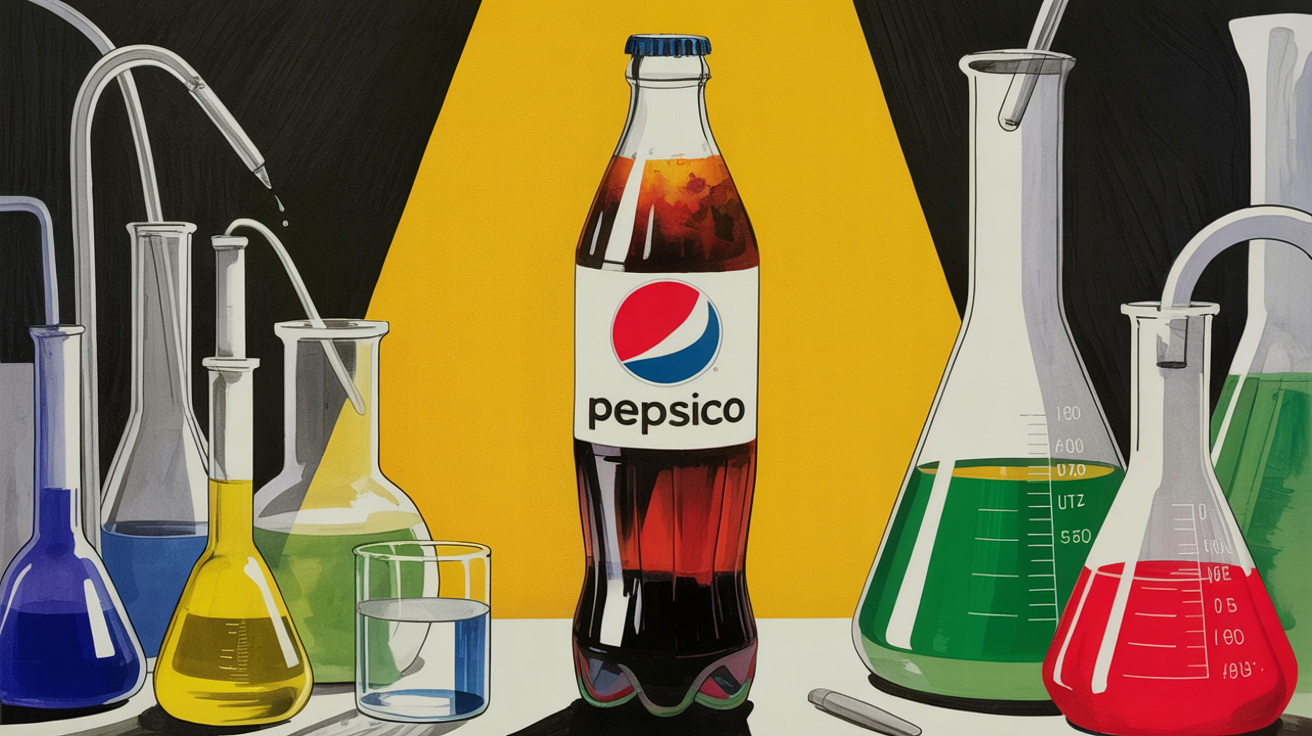
For years, manufacturers chased two metrics: sugar and sodium. That era is over. Scrutiny now extends to ultra-processing, additive lists, and the legibility of ingredient decks. Bakery and Snacks reports that PepsiCo SVP of R&D Kiran Annapragada is among the industry voices confronting this shift directly. PepsiCo’s 2026 strategy reset already signaled a pivot toward protein and portfolio simplification. Reformulation is now embedded in that broader repositioning.
Sebastian Emig of the European Snacks Association adds a regulatory dimension. European frameworks like Nutri-Score and incoming UPF classification rules are creating compliance timelines that North American brands may not yet be tracking. That divergence matters for global manufacturers managing single formulations across multiple markets.
Where Industry Coalitions Are Drawing the Line
The American Bakers Association and FDF Scotland are both represented in this conversation. Their presence signals that reformulation is no longer a brand-by-brand R&D problem. It has become a sector-wide coordination challenge. 210 Analytics brings the retail data layer: consumer purchase behavior is already reflecting the shift, not just anticipating it.
Additionally, the speed of consumer expectation is outrunning typical product development cycles. A standard reformulation timeline runs 18 to 36 months. Consumer sentiment on additives and processing can shift in a single news cycle. That gap is the core operational tension manufacturers now face.
In short, the brands moving fastest are not waiting for regulatory mandates. They are treating clean-label alignment as a supply chain and R&D priority, not a marketing layer. The ones waiting for a single clear standard may find the standard has already moved past them.
Source: Bakery and Snacks. https://www.bakeryandsnacks.com/Article/2026/06/16/food-reformulation-can-manufacturers-keep-pace-with-changing-demands/