Michigan Makes Six: Food Dye Reform Is No Longer a ‘Future Problem’
Michigan's House education budget targets candy and soda in schools, quietly accelerating natural food dye reformulation pressure on CPG suppliers.

Michigan’s House just moved to ban candy and soda sales in schools statewide, making six states total (California, West Virginia, Virginia, Arizona, and Utah) to nix artificial dyes from K-12. For R&D and procurement teams already racing toward the FDA’s December 2027 synthetic dye deadline, this is one more market closing fast. Natural food dye reformulation is no longer a future problem.
TLDR
- Michigan House budget would ban candy and soda from school sales.
- School channel restrictions compound FDA’s 2027 FD&C phase-out pressure.
- CPG brands serving K-12 face dual regulatory and channel risk now.
- Reformulated SKUs with natural colors gain a concrete new market advantage.
- Procurement teams should accelerate supplier conversations before 2026 budgets lock.
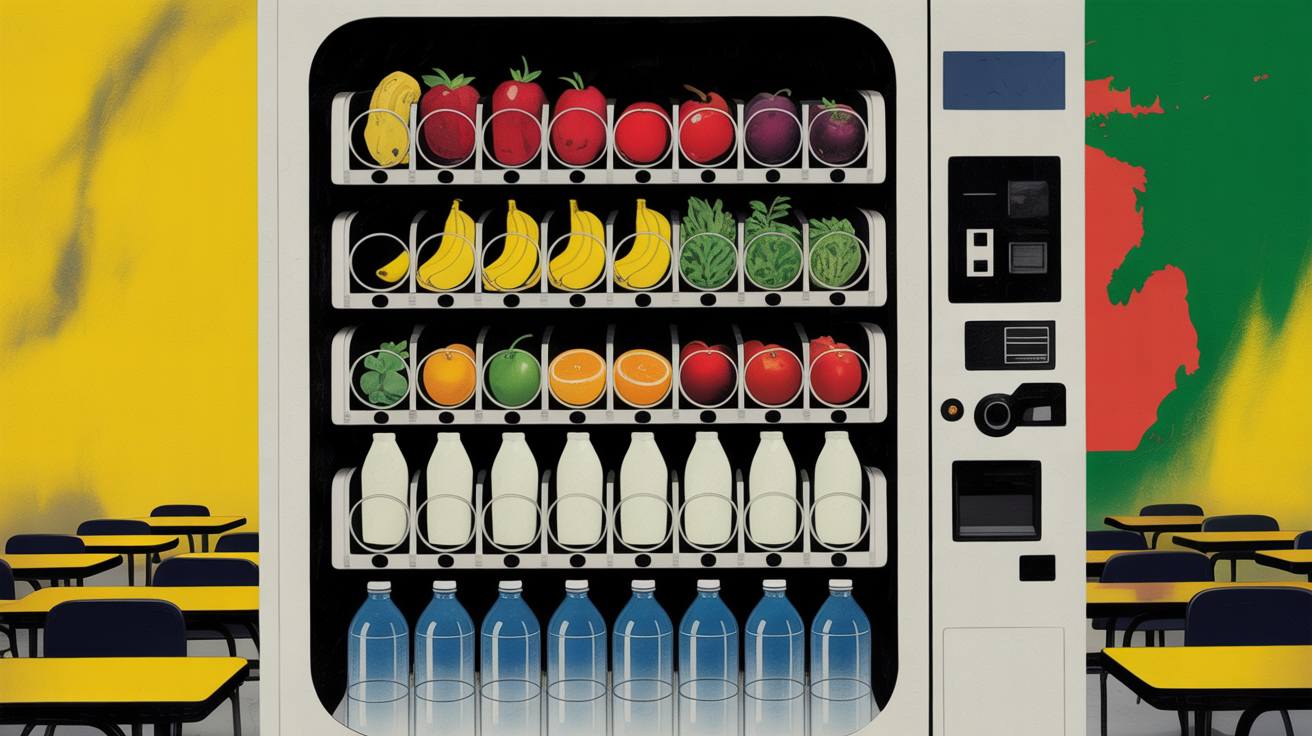
The Detroit News reports that Michigan’s House education budget proposal would prohibit the sale of soda and candy in schools statewide. The measure targets school stores, vending machines, and fundraisers. Significant.
For CPG brands, this is a channel-level signal that compounds existing regulatory pressure. The FDA’s voluntary phase-out of FD&C synthetic dyes by December 2027 already puts Red 40, Yellow 5, Yellow 6, and Blue 1 on the clock. California’s AB 2316 adds a hard January 2028 deadline for school food specifically. Michigan’s move fits that pattern.
Natural Food Dye Reformulation and the School Channel
School-channel products face the sharpest scrutiny. Candy and snack SKUs that rely on FD&C dyes for visual appeal are now caught between state purchasing restrictions and incoming federal phase-outs. Brands that delay natural food dye reformulation risk losing institutional buyers before regulators even act.
The alternatives exist. Suppliers including GNT, Oterra, and Sensient offer plant-based colorant systems covering the red-to-yellow spectrum. Fruit and vegetable juice concentrates, spirulina, and beta-carotene can replace the most-targeted FD&C dyes. However, pH stability and heat tolerance remain real formulation variables, especially in confectionery applications where synthetic dyes have historically outperformed.
What Procurement and R&D Teams Should Do Now
Watch this. State-level school food restrictions are moving faster than federal timelines in some cases. Michigan joins a growing list of states tightening school nutrition standards in ways that effectively de-shelf synthetic-dye-forward products.
R&D leaders should audit which SKUs carry FD&C dyes and currently sell into K-12 channels. Procurement teams need supplier lead-time data now, not in 2026. Natural colorant supply chains for high-demand inputs like carmine, annatto, and lycopene tighten under volume pressure. DyeConverter’s reformulation intelligence platform can map alternative colorant options against your existing formula constraints before those conversations get urgent.
In short, Michigan’s budget proposal is a procurement trigger, not just a policy headline.
Source: The Detroit News. Read the original article