FDA Warning Letters Are Surging. Here’s Why.
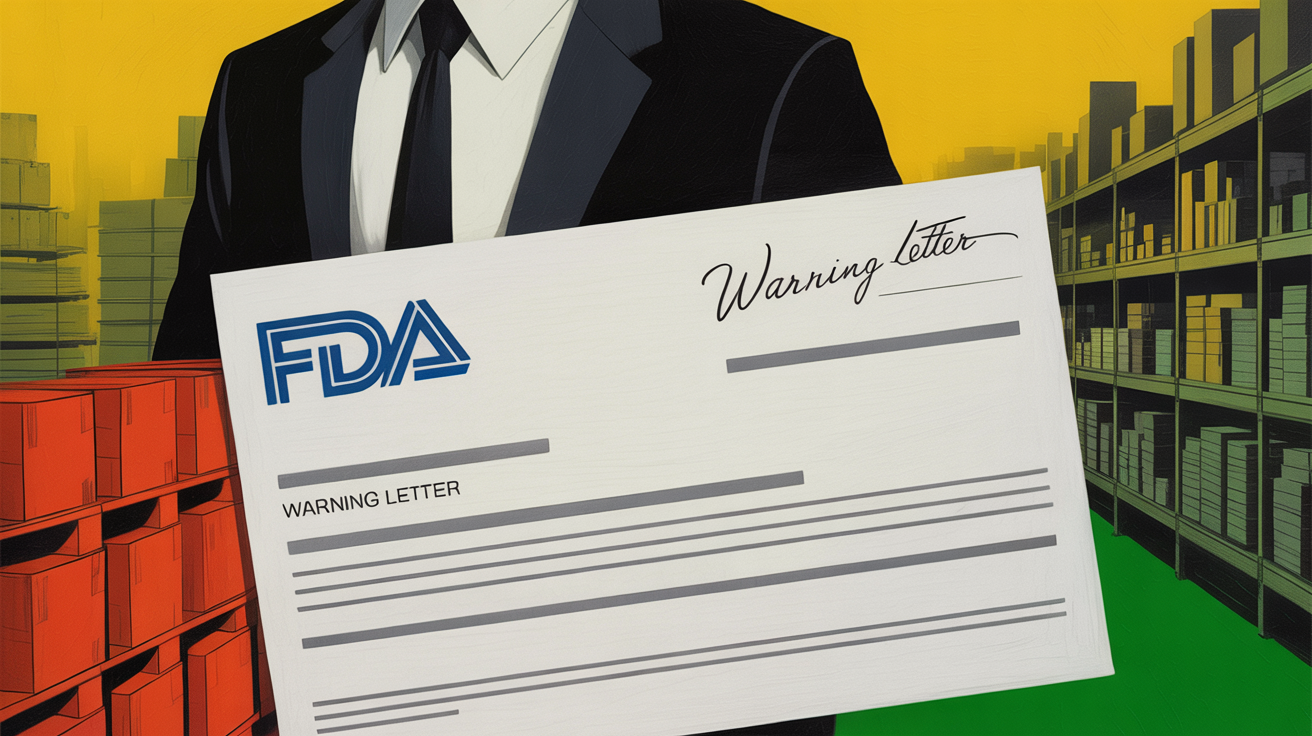
FDA warning letters are climbing in 2026, and food-industry operators ignoring the trend may be next in line.

FDA warning letters rising across the food sector is not background noise. Food Safety News flags the uptick as a signal that federal enforcement appetite is growing, not shrinking. Operators who treat compliance as optional are running out of runway.
TLDR
- FDA warning letter volume is measurably climbing in 2026.
- Food manufacturers and suppliers face elevated enforcement risk now.
- Compliance gaps that once drew silence may now draw formal action.
- The trend signals a regulatory posture shift worth tracking closely.
FDA Warning Letters Rising: A Compliance Wake-Up Call
Food Safety News flagged the trend in a May 2026 opinion piece. FDA warning letter volume is climbing, and the food sector is not insulated.
Warning letters are formal notices of violation. They precede injunctions, seizures, and consent decrees.
Historically, enforcement ebbed and flowed with agency staffing and political priorities. That buffer appears to be narrowing.
What Operators Should Watch
Manufacturers with open 483 observations are most exposed. Unresolved inspection findings are the clearest predictor of a warning letter.
Specifically, facilities with repeat CGMP deficiencies or labeling violations face the highest risk. Regulators document patterns before they act.
Additionally, suppliers serving retail and foodservice customers should note: warning letters are public. Buyers check them.
Clean-label brands have built consumer trust on transparency. The Future of Food has covered how that trust depends on regulatory credibility, not just marketing claims.
In short, the cost of non-compliance is no longer just a fine. It is a sourcing conversation with every major retail partner.
Operators should audit their corrective action logs now. Waiting for an investigator to schedule a visit is the wrong strategy.
Source: Food Safety News. https://www.foodsafetynews.com/2026/05/fda-warning-letters-are-on-the-rise/
Source: Food Safety News. https://www.foodsafetynews.com/2026/05/fda-warning-letters-are-on-the-rise/