Soy, Pea, or Dairy: The Protein Tradeoff Nobody Talks About
ADM breaks down protein source tradeoffs for food makers, revealing why quality and quantity rarely come in the same package.

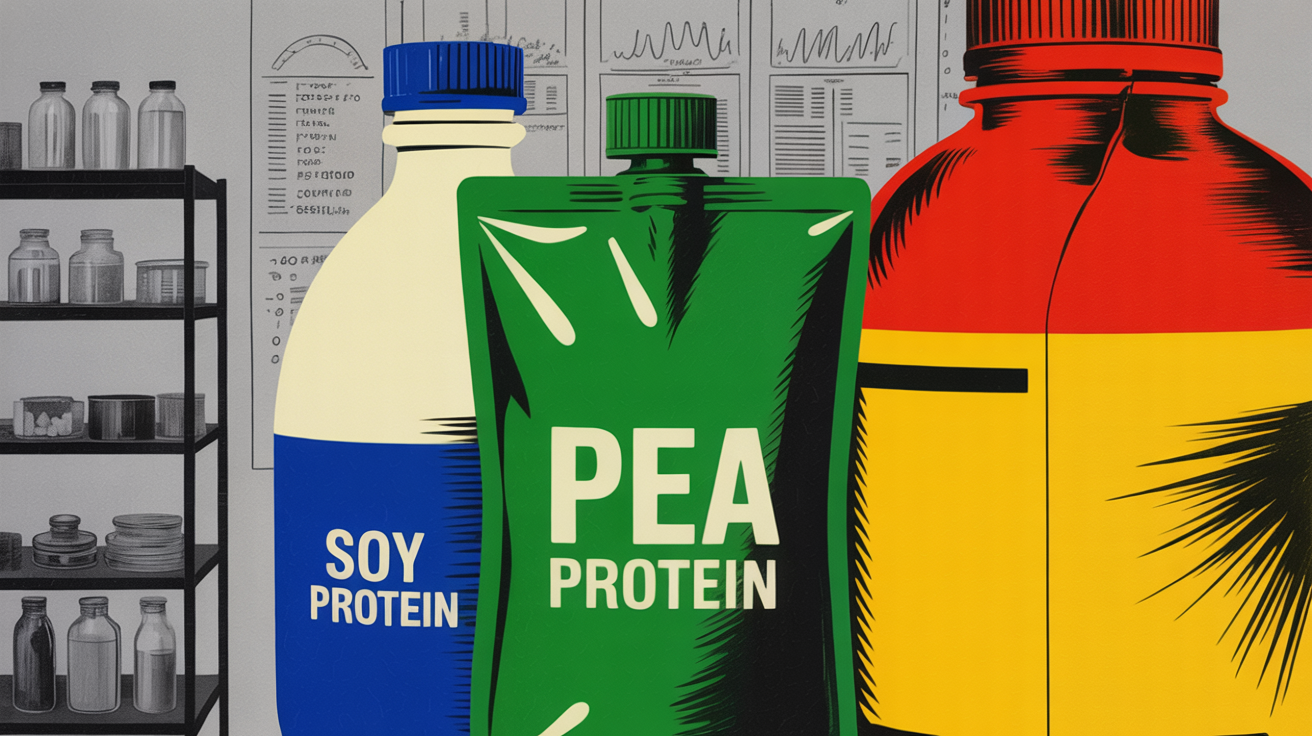
Choosing a protein source is one of the most consequential formulation decisions a food manufacturer makes. ADM, a major ingredient supplier, is now pulling back the curtain on the real tradeoffs between soy, pea, and dairy proteins. Protein source tradeoffs for food makers are more complex than label trends suggest.
TLDR
- ADM outlines distinct quality-versus-quantity tradeoffs across major protein types.
- Dairy leads on amino acid profile but carries cost and allergen baggage.
- Pea protein is rising fast but faces texture and flavor challenges.
- Soy remains cost-efficient yet faces consumer perception headwinds.
- No single protein wins across all formulation criteria.
ADM is advising food manufacturers to think beyond protein grams per serving. The ingredient giant is spotlighting how soy, pea, and dairy each carry distinct functional, nutritional, and commercial tradeoffs that affect finished product performance.
Protein Source Tradeoffs Food Makers Can’t Ignore
Dairy protein, particularly whey, delivers a complete amino acid profile and scores high on digestibility metrics like PDCAAS and DIAAS. However, it carries allergen risk and higher cost, limiting its appeal for mass-market applications. Manufacturers targeting clean-label or vegan positioning must look elsewhere.
Soy has long been the workhorse of plant-based protein. It is cost-effective and functionally versatile. Specifically, it performs well in emulsification and texturization. Yet consumer skepticism around GMO soy and hormonal concerns continues to pressure brand teams, even when the science doesn’t fully support those fears.
Why Pea Protein Is Winning Shelf Space
Pea protein has surged as the plant-based darling of the past five years. It is allergen-friendly and non-GMO by default. Additionally, it avoids the perception baggage that follows soy. In short, it checks more marketing boxes.
The challenge is sensory. Pea protein can introduce beany or chalky notes that require masking agents or flavor systems. Formulators also note that pea’s amino acid profile, while solid, falls short of dairy without blending. ADM’s guidance points toward protein blending as a practical solution, combining sources to hit both nutritional targets and texture goals.
For operators navigating this landscape, the decision is rarely about one protein winning outright. It is about matching source to application, cost structure, and target consumer. The Future of Food has covered how protein diversification is reshaping supply chain strategy across categories. ADM’s breakdown reinforces that formulation agility, not ingredient loyalty, is the competitive edge. Read the full ADM-sourced analysis at Food Dive.
Source: Food Dive. https://www.fooddive.com/news/food-makers-protein-choice-dairy-soy-pea/818340/