
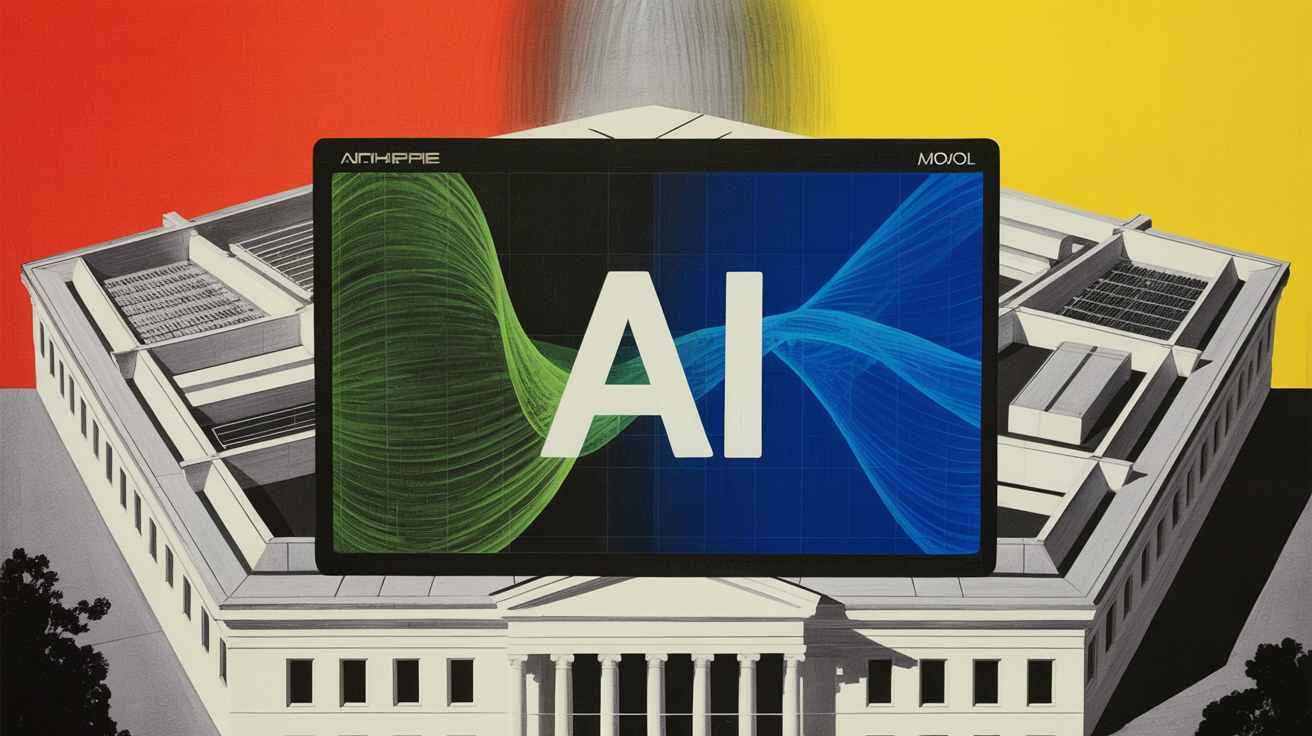
Anthropic Gets Kicked While It’s Down
After Anthropic pulled two AI models to comply with a Trump directive, the White House and Pentagon turned up the heat on the company.

Anthropic AI model access became a political flashpoint this week. Defense Secretary Pete Hegseth publicly boasted that the Pentagon banned Anthropic three months ago. The timing was pointed: Anthropic had just restricted two models to comply with a Trump administration directive.
TLDR
- Pentagon claims it banned Anthropic AI three months prior.
- Anthropic restricted two models to follow a Trump directive.
- White House allies escalated public criticism after the shutdown.
- The conflict signals growing political risk for AI vendors.
- Food-tech operators relying on AI tools should monitor vendor stability.
Hegseth posted on social media Saturday, claiming the Department of Defense removed Anthropic from its facilities permanently. “Every passing day proves why that was the right move,” he wrote. The statement followed Anthropic’s decision to discontinue access to two of its AI models.
Anthropic made that move to comply with a directive from the Trump administration. The company did not publicly detail which models were affected or the scope of the restriction.
Anthropic AI Model Access Under Political Pressure
The White House and its allies intensified criticism after the shutdown, framing Anthropic’s compliance as evidence of untrustworthiness rather than cooperation. Significant. The political logic here runs in two directions simultaneously.
For food-industry operators, the episode carries a practical warning. AI tools are increasingly embedded in supply chain forecasting, ingredient sourcing, and regulatory compliance workflows. Vendor instability, whether technical or political, creates real operational risk.
Anthropic is among the most prominent AI developers supplying enterprise clients. Its models power a range of business applications. Losing access mid-deployment, even temporarily, can disrupt operations that depend on consistent AI outputs.
What This Means for Enterprise AI Buyers
Operators evaluating AI vendors now face a new due-diligence question: how exposed is a given provider to federal political pressure? Anthropic AI model access restrictions, driven by a government directive, show that even compliant vendors can become collateral damage.
Food manufacturers and retailers investing in AI-driven transparency tools, such as clean-label ingredient verification platforms, should build contingency plans around vendor concentration. Diversifying across AI providers reduces single-point risk.
The Hill reported that White House allies continued amplifying the attacks beyond Hegseth’s post. The pattern suggests this conflict is not a one-day story. Telling.
Source: The Hill. https://thehill.com/policy/technology/5923727-defense-secretary-criticizes-anthropic/