They Called It “Generally Recognized as Safe.” New York Called Their Bluff.
A new New York law targets the GRAS loophole, forcing food chemical disclosures the FDA never required. Here's what operators need to know.

New York just did what Congress and the FDA have refused to do for nearly 70 years: forced the food industry to show its work.
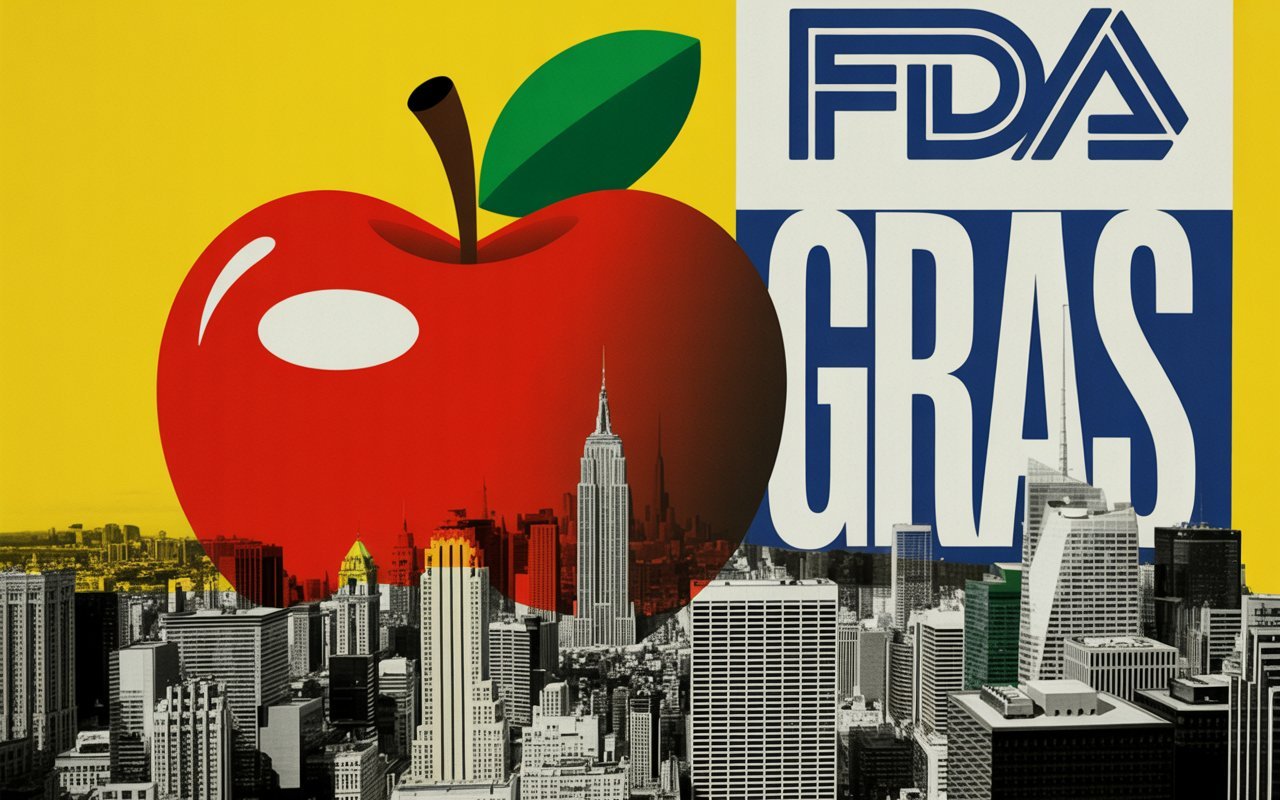
On April 21, 2026, the New York State Assembly passed the Food Safety and Chemical Disclosure Act (S1239/A1556) by a vote of 106 to 32. The Senate had already passed it unanimously, 60 to 0, on March 23rd. Unanimous. Bipartisan. Both chambers. In Albany. Let that sink in.
Governor Hochul’s signature is the last step. When she signs it, New York becomes the first state in the nation to crack open what advocates have long called “secret GRAS” — the biggest regulatory loophole most Americans have never heard of.
What the GRAS Loophole Actually Is
Since 1958, food companies have been allowed to designate their own ingredients as “Generally Recognized as Safe” without ever telling the FDA, without independent review, and without any public record. None. The designation was originally created so salt and vinegar didn’t need lengthy safety hearings. It was never meant to give Kraft Heinz or General Mills a blank check to quietly introduce synthetic chemicals into the food supply and dare anyone to prove they’re harmful.
But that’s exactly what it became. There are now more than 10,000 chemicals in the U.S. food supply introduced through this self-certification system. No other developed country operates this way. The EU, Canada, and most of the rest of the world require independent pre-market review. We let companies grade their own homework, then seal the answers.
What New York’s Law Does
The Food Safety and Chemical Disclosure Act hits this loophole directly. Any company selling food in New York that self-certifies an ingredient as GRAS without disclosing it to the FDA must now submit that safety data to New York’s Department of Agriculture and Markets. That data then goes into a publicly searchable database. Independent scientists, regulators, journalists, and consumers can see it. The safety rationale that’s been locked in corporate vaults since the Eisenhower administration is now subject to daylight.
The law also bans three specific additives that have no business being in anyone’s food: Red Dye 3 (linked to cancer — the FDA acknowledged this 30 years ago and dragged its feet for three decades before finally scheduling a 2027 ban), potassium bromate (a flour bleaching agent the WHO linked to cancer in 1992), and propylparaben (a preservative tied to hormone disruption and reproductive harm). The EU banned all three. California banned all three. New York is now next.
How It Got There
This didn’t come out of nowhere, and it didn’t slip past anyone. The Consumer Brands Association — the trade lobby representing Coca-Cola, PepsiCo, General Mills, Kraft Heinz, Nestle, Amazon, and Target — knew this bill was coming. They created an astroturf organization called “New Yorkers for Safe and Affordable Groceries” to fight it. The group claimed the bill would hurt small businesses and spike grocery prices. Fine print on their website: “copyright 2025, Consumer Brands Association.” Classic Big Tobacco playbook, applied to Froot Loops.
They lost. Two years of amendments carefully stripped out every legitimate objection: small businesses under 100 employees are exempt from GRAS reporting, retailers can sell through existing inventory until the product’s printed expiration date, manufacturers get a full year to reformulate, and grocers who hold written supplier certifications of compliance are protected from liability. The industry’s real objection — transparency itself — was not accommodated, because there is no reasonable accommodation for hiding safety data from the public.
Senator Brian Kavanagh called it correctly on passage day: the industry had run “an onslaught of misinformation.” Assemblymember Dr. Anna Kelles said it plainly: the GRAS concept was created to exempt salt and vinegar. It was never meant to give a synthetic chemical a free pass into the food supply for generations.
What Happens Next
Because processed food is made and distributed nationally, whatever companies have to disclose to New York, the whole country will be able to read. That public database is going to be an earthquake. Class action attorneys are already circling. Independent scientists who have never had access to industry safety assessments will now have them. The states that follow New York — and they will — will have an even easier path.
The FDA has been feckless on this for decades. States are done waiting.
Sources: Food Safety News | NY Senate Press Release | Food Safety Magazine | Rep. Mike Lawler (NY-17)